Error Codes



Is Fisher and Paykel a high-end brand?
Yes. Fisher & Paykel is widely considered a premium (high-end) appliance brand, and the DD24DCHTX7 DishDrawer-style dishwasher is positioned above mainstream dishwashers in design, fit-and-finish, and feature focus.
High-end brands typically emphasize quieter operation, refined styling, and specialized engineering. With Fisher & Paykel dishwashers, that often shows up as:
- Distinctive form factors (like drawer-style dishwashers)
- Premium materials and tighter fit-and-finish
- More advanced wash system design and controls
- Higher part and repair costs compared with entry-level models
- A stronger focus on integrated, built-in kitchen aesthetics
Because this is a premium dishwasher, repairs often involve higher-cost components and more precise diagnosis. If you are troubleshooting performance or reliability issues, we recommend starting with the most common “core system” parts.
| Symptom | Common system to check | Example part for DD24DCHTX7 |
|---|---|---|
| Not washing well, weak spray | Pump and circulation | Dishwasher pump motor 522088 |
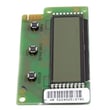
| Won’t start, erratic behavior | Controls and sensing | Dishwasher electronic control board 523725USP |
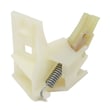
| Drawer won’t seal or actuate correctly | Lid/seal mechanism | Dishwasher lid actuator 522085 |
| Poor cleaning, debris left behind | Filtration | Dishwasher filter 524828 |
Knowing Fisher & Paykel is a high-end brand helps set expectations: parts like control boards, motors, and lid actuators can cost more, but using the correct model-specific components helps restore the dishwasher’s intended performance.
Last updated: February 2026
Can you run both drawers on a Fisher and Paykel dishwasher?
Yes. On the Fisher & Paykel DD24DCHTX7 DishDrawer-style dishwasher, the two drawers are designed to wash independently, so you can run one drawer by itself or run both drawers (either at the same time or on different cycles), as long as the unit has power and water and both drawers can close and seal properly.
- Load and add detergent to the drawer(s) you want to run.
- Make sure each drawer is fully pushed in so the lid can seal.
- Select a cycle for each drawer you plan to run.
- Start one drawer, then start the other (or start them separately later).
- If one drawer will not start, check for a lid-seal issue or a control problem.
If one drawer runs but the other will not, these are the most common causes:
- Drawer lid is not sealing or the lid mechanism is sticking (often tied to the lid actuator).
- Control is not responding to commands for that drawer.
- Drain or wash system issue in one drawer (motor, rotor, or sensor related).
- A wiring connection is loose or damaged.
- The drawer is not fully closed or is obstructed by dishes.
| Symptom | What it often points to | Example part on this model page |
|---|---|---|
| Drawer will not seal or start | Lid/lid-lift mechanism problem | Dishwasher lid actuator 522085 |
| Erratic wash, poor circulation, grinding | Rotor or motor drive issue | Motor rotor 524285P |
| Dead controls or no response | Control board issue | Electronic control board 523725USP |
| Fill issues or leaks at supply connection | Water supply connection problem | Fill hose 510856 |
Running drawers independently is one of the main advantages of a double-drawer dishwasher: you can wash smaller loads without waiting for a full load, and you can run different cycles in each drawer to match what you are washing.
Last updated: February 2026
What is the life of a Fisher and Paykel dishwasher?
A Fisher & Paykel dishwasher typically lasts 10 to 15 years. For the Fisher & Paykel DD24DCHTX7 DishDrawer style, consistent cleaning, correct loading, and fixing small issues early (like draining or sealing problems) are what most often determine whether it reaches the high end of that range.
Most dishwashers fall into a predictable lifespan range, but real-world results depend on water quality, detergent use, and how often the unit runs.
- Light to average use (1 cycle per day or less) usually supports a longer life
- Hard water speeds up mineral buildup on heating and wash components
- Overloading strains the pump and can reduce wash performance
- Skipping filter cleaning increases drain issues and odors
- Ignoring small leaks can lead to bigger tub, lid, or actuator problems
| Usage and conditions | What we typically see | What to do to extend life |
|---|---|---|
| Average use, normal water | 10 to 15 years | Clean filters, use rinse aid, run hot water before starting |
| Heavy use, hard water | Closer to 8 to 12 years | Descale regularly, avoid excess detergent, keep spray paths clear |
| Poor draining or frequent errors | Shortened lifespan | Address drain and control issues early |
These steps prevent the most common performance problems (poor cleaning, standing water, odors) that shorten dishwasher life.
- Clean and reinstall the Fisher & paykel dishwasher filter 524828 on a regular schedule
- Check the drawer seal area for debris so the lid can close and seal properly
- Use the right detergent amount; too much can cause residue and foaming
- Run the kitchen hot water for 30 to 60 seconds before starting a cycle
- If drying is weak, inspect airflow and consider the Fisher & paykel dishwasher vent fan motor 522006
A dishwasher that is kept draining freely and sealing correctly runs with less strain on the pump, heater, and controls. That reduces overheating, repeat cycles, and water damage risk, which are the most common reasons units get replaced early.
Last updated: February 2026
What are the commonly replaced parts in a dishwasher?
In a Fisher & Paykel DD24DCHTX7 dishwasher, the most commonly replaced parts are the ones tied to washing performance, draining, sealing, and controls, such as the filter, dispenser, pump components, lid/door sealing parts, and electronic controls. These parts wear from normal use, hard water, and heat.
- Wash and drain components (pump motor, motor rotor, sensors)
- Filtration parts that clog with food soil
- Detergent dispenser parts that stick or leak
- Lid/door sealing and actuator parts that affect leaks and closing
- Control electronics when cycles will not start or complete
- Fill and drain hoses when they crack, kink, or leak
These are examples of commonly replaced items we list for this model:
| Symptom you notice | Part category to check | Example part for DD24DCHTX7 |
|---|---|---|
| Poor cleaning, grinding noise, not circulating | Wash motor components | Motor rotor 524285P |
| Will not seal, leaks, drawer will not close correctly | Lid/actuation | Dishwasher lid actuator 522085 |
| Stops mid-cycle, dead display, erratic operation | Controls | Dishwasher electronic control board 523725USP |
| Odor, debris left behind, slow drain | Filtration | Dishwasher filter 524828 |
| Not drying well, moisture stays trapped | Venting | Dishwasher vent fan motor 522006 |
- Hard water and detergent buildup: clean filters regularly; use the right detergent amount.
- Food soil overload: scrape heavy debris to prevent filter and pump clogs.
- Heat and moisture stress: keep the tub clean and check for small leaks early.
- Electrical wear: if you troubleshoot with a meter, use safe testing practices.
Replacing the correct part restores wash pressure, proper draining, and leak-free operation; it also prevents secondary damage (for example, a clogged filter can strain the pump motor and reduce cleaning performance).
Last updated: February 2026
What are the common problems with Fisher Paykel dishwashers?
Common problems we see on the Fisher & Paykel DD24DCHTX7 dishwasher include not draining, stopping mid-cycle, poor cleaning, leaks around the drawer, and weak drying. Many issues trace back to a clogged filter, a restricted drain path, or a failing wash system component such as the pump motor or rotor.
- Won’t drain or drains slowly: food debris in the filter area, a blocked drain hose, or a weak pump
- Stops mid-cycle or acts “glitchy”: door/drawer lid sealing problems, wiring issues, or control faults
- Poor cleaning: clogged filter plate, blocked spray paths, low water fill, or detergent overuse
- Water in the bottom between cycles: drain restriction or check-valve style backflow issue in the drain path
- Leaking from the drawer: lid seal or lid actuator not sealing the drawer correctly
- Not drying well: venting problems or a heater-related issue
- Turn power off at the breaker for 1 minute, then restore power (simple reset).
- Clean the filter area and remove any standing debris.
- Inspect the drain hose for kinks, pinches, or a high loop that is incorrectly routed.
- Run a rinse cycle and listen for the drain pump at the end of the cycle.
- If the drawer does not seal smoothly, inspect the lid mechanism.
If troubleshooting points to a failed component, these model-matched parts are commonly involved:
- Drain and wash performance: dishwasher pump motor 522088, motor rotor 524285P
- Drawer sealing and leaks: dishwasher lid actuator 522085, dishwasher drawer lid assembly 529964P
- Cleaning and circulation restrictions: dishwasher filter 524828, filter plate 524888
- Electrical or cycle control issues: dishwasher electronic control board 523725USP, dishwasher hall sensor 528785P
| Symptom | Most likely area | Example part to check |
|---|---|---|
| Not draining | Drain path, pump | Dishwasher pump motor 522088 |
| Poor wash pressure | Rotor, circulation | Motor rotor 524285P |
| Drawer leaks | Lid seal/actuation | Dishwasher lid actuator 522085 |
| Random stopping | Controls, sensing, wiring | Dishwasher electronic control board 523725USP |
DishDrawer-style dishwashers like the DD24DCHTX7 rely on a tight drawer seal, clear filtration, and steady pump performance. A small restriction (filter plate, drain hose) can quickly turn into poor cleaning, standing water, odors, or repeated cycle interruptions.
Last updated: February 2026