Owner’s manual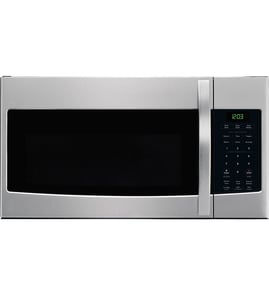


How much is a LG 20L microwave?
LG makes several 20L (about 0.7 cu. ft.) countertop microwaves, so the price depends on the exact model and features. Your LG LMV1630ST is not a 20L unit; it is a 1.6 cu. ft. over-the-range microwave/hood combo, so pricing for “20L” models will not match this appliance.
Confirm what you have (so you price the right microwave)
We recommend matching the price search to the correct size and style:
- 20L microwave usually means a countertop microwave around 0.7 cu. ft.
- LMV1630ST is an over-the-range microwave/hood combo with a 1.6 cu. ft. cavity
- Over-the-range models typically cost more than basic 20L countertop models because they include a vent fan, lighting, and mounting hardware
- If you are shopping for a replacement, measure your cutout space and confirm venting type (recirculating vs. outside vent)
For model identification and key specs, use the LMV1630ST owner's manual.
LMV1630ST key specs (from the manual)
| Spec | LG LMV1630ST |
|---|---|
| Type | Microwave/hood combo |
| Cavity volume | 1.6 cu. ft. |
| Output power | 1,000W |
| Electrical rating | 120V AC, 60Hz; 14A / 1500W |
| Outer dimensions | 29-15/16 in. x 16-7/16 in. x 17-1/8 in. |
Why it matters
A “20L” price quote is only useful when it matches the same appliance type and capacity. Comparing a 20L countertop microwave to an over-the-range 1.6 cu. ft. model like the LMV1630ST can lead to the wrong budget and the wrong fit.
Last updated: January 2026
What are common problems with LG microwaves?
Common problems on LG microwaves like model LMV1630ST include not heating, not starting, turntable issues, sparking/arcing, loud buzzing or grinding noises, and vent or light problems. Many “no heat” symptoms involve high-voltage components, so we recommend service by a qualified technician.
Most common symptoms and what they usually mean
- Microwave runs but doesn’t heat: often a high-voltage failure (magnetron, capacitor, diode, transformer) or a door interlock issue.
- Dead display or won’t power on: outlet or breaker issue, blown internal fuse, or wiring problem.
- Starts then stops when you close the door: door interlock switch or latch alignment problem.
- Turntable not spinning: tray support binding, coupler issue, or food debris under the tray.
- Sparking/arcing inside: damaged waveguide cover area, metal in the cavity, or food splatter buildup.
- Fan/vent problems: grease filter clogged, damper sticking, or fan noise from buildup.
Quick checks you can do safely
Before any checks, unplug the microwave or switch off power at the breaker.
- Confirm the outlet works by testing a small appliance.
- Inspect the door for a solid close and no visible damage to hinges/latches.
- Clean the cavity and the door sealing surfaces; residue can cause arcing and poor door sealing.
- Remove and clean the grease filter; airflow restrictions can increase noise and reduce venting.
- Verify the turntable tray and support are seated correctly and spin freely by hand.
Parts that commonly fix these problems (LMV1630ST)
| Symptom | Commonly involved part | Example part for this model |
|---|---|---|
| Runs but no heat | Magnetron or high-voltage circuit | Microwave magnetron 2B71165R |
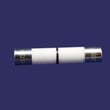
| Completely dead | Fuse | Microwave fuse 3B74133Q |
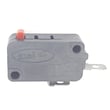
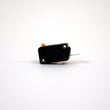
| Won’t start or stops when door moves | Door interlock switch | Microwave door interlock switch 6600W1K001R |
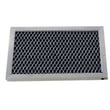
| Poor venting or greasy airflow | Grease filter | Microwave grease filter 5230W1A012E |
Why it matters
A microwave that “runs but doesn’t heat” can still have full high voltage present internally. That is why LG’s guidance is to have adjustments and repairs handled by properly qualified service personnel, especially when safety interlocks or high-voltage parts are involved.
For operating tips, specifications, and safety precautions (including door and sealing-surface guidance), use the LMV1630ST owner's manual.
Last updated: January 2026
How to operate an LG microwave?
To operate your LG LMV1630ST microwave/hood combo, we recommend starting with the basic controls: set the clock, use EZ-ON for quick 100% power cooking, or enter a cook time and start. Always operate with the door fully closed and the seals clean.
Quick-start basics (everyday use)
- Place food in a microwave-safe container and close the door.
- For fast heating, press EZ-ON to start at 100% power.
- To add or reduce time during cooking, use LESS to subtract 10 seconds per press.
- Press STOP/CLEAR to cancel a cycle or clear an entry.
- Use TURNTABLE ON/OFF to control rotation (on for most foods; off for large or awkward dishes).
Set the clock (LMV1630ST)
The clock is set from the keypad and is used for normal display and timing.
- Press STOP/CLEAR.
- Press CLOCK.
- Enter the time using the number pad.
- Press CLOCK (or START) to save.
For exact button sequences and feature descriptions, follow the LMV1630ST owner's manual.
Use the vent fan and cooktop light
Because LMV1630ST is a microwave/hood combo, you can run the hood features anytime.
| Feature | What it does | How it works |
|---|---|---|
| Vent fan | Moves steam and vapors from cooking below | Press VENT HI/LOW/OFF: High, Low, then Off |
| Cooktop light | Lights the cooktop/counter area | Press LIGHT HI/LOW/OFF: Bright, Night, then Off |
Safety and “why it matters”
Microwaves rely on door interlocks and clean sealing surfaces to contain energy properly. Keeping the door area clean and never running the unit with the door open helps prevent poor performance and protects key components like the magnetron.
If the microwave runs but does not heat, we use the same first checks on this model: confirm settings, test with a cup of water, and then troubleshoot heating components. The guide why is my microwave not heating walks through the most common causes.
Last updated: January 2026
Is LG a good brand for a microwave?
LG is a good brand choice for a microwave, and the LG LMV1630ST microwave/hood combo is built with the same core safety features you should expect (a properly closing door and working interlocks). For long-term satisfaction, performance depends most on correct use, ventilation, and keeping the door seals and interior clean; see the LMV1630ST owner's manual for model-specific guidance.
What “good” looks like in day-to-day use
We judge microwave quality by consistent heating, low noise, reliable controls, and how well the door and latch system holds up over time.
Common strengths many owners look for:
- Even, repeatable heating for reheats and defrosting
- Useful hood-vent features for everyday cooking
- Easy-to-clean interior surfaces
- Readable, responsive keypad and display
- Widely available replacement parts when something wears out
What to watch for (and how to prevent problems)
A lot of “brand reliability” comes down to avoiding the issues that shorten microwave life.
Key habits that protect performance:
- Do not run the microwave empty; it can trigger arcing and damage components
- Avoid metal utensils and metal-trimmed dishes; metal can cause arcing
- Keep foil small and at least 1 inch from the walls and door
- Keep the door sealing surfaces clean; residue can affect door closure
- If you see sparks, stop the cycle and correct the cookware or rack placement
Quick troubleshooting: is it the microwave or the settings?
If the display counts down but food is not heating, we check the basics first.
| Symptom | Most common cause | What we do first |
|---|---|---|
| Timer counts down, no heat | Timer mode selected | Start a cooking function (Time Cook/Power Level) |
| No heat, normal sound | Door not fully closed | Re-close door firmly and retry |
| No heat, then stops | Door interlock issue | Inspect latch alignment; service if needed |
| Dead/no power | Blown fuse or power issue | Check outlet/breaker; then test fuse |
If you suspect a blown fuse, the correct replacement for this model is the microwave fuse 3B74133Q. For step-by-step guidance, use our how to replace a microwave fuse article.
Why it matters
Microwaves are high-voltage appliances; safe operation depends on a properly closing door, intact seals, and working interlocks. Using the right cookware and stopping arcing quickly helps prevent repeat failures and protects key heating components like the magnetron.
Last updated: January 2026