
Are gas lawn mowers being phased out?
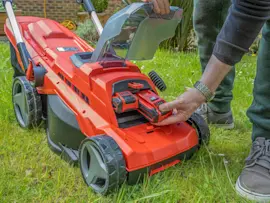
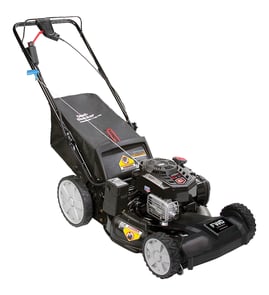
Gas walk-behind mowers like the Craftsman 917372342 are being phased down in some areas, mainly through rules that limit the sale of new gas-powered outdoor equipment and through retailers and homeowners shifting toward battery-electric models. Existing gas mowers can still be used and maintained for years.
What “phased out” usually means
Most changes focus on new equipment sales, not taking away equipment you already own.
- Some states and cities restrict or plan to restrict sales of certain new gas-powered outdoor tools
- Many homeowners switch to battery mowers for lower noise and less routine maintenance
- Gas mowers remain common for larger yards, heavy grass, and long run times
- Parts support typically continues well after sales trends change
What to do if you plan to keep your gas mower
Keeping a gas mower reliable is mostly about fuel care and blade condition.
- Use fresh fuel and avoid storing fuel in the tank for long periods
- Change oil on schedule and keep the air filter clean
- Replace a bent, dull, or heavily nicked blade to protect the crankshaft and improve cut quality
- Check deck hardware and height adjusters so the mower tracks straight and cuts evenly
Common maintenance parts you may need
| Maintenance need | What you’ll notice | Example part for this model |
|---|---|---|
| Better cut quality | Ragged grass tips, uneven cut | Lawn mower 22-in deck mulching blade 532406713 |
| Height setting won’t hold | Height slips or won’t click | Selector knob 532701037 |
| Loose or missing fasteners | Rattles, wobble, misalignment | Screw (match by location) |
Why it matters
If your area is moving toward electric, the practical impact is usually on future purchases, not on repairing what you already own. For a mower like the 917372342, staying ahead on blade sharpness and basic hardware helps you get full life and performance from the machine.
Last updated: January 2026
How do I find out what kind of lawn mower I have?
To identify what kind of lawn mower you have, start by finding the model number tag on your Craftsman mower and matching that number to the parts list. For this model, the mower is a Craftsman 917372342 22-inch rotary walk-behind mower.
Where to look for the model number tag
On most Craftsman walk-behind mowers, the model number is printed on a sticker or metal plate in one of these spots:
- On the frame near the rear wheels (left or right side)
- On the mower deck near the engine mounting area
- On the rear frame crossbar behind the engine
- Near the handle mounting brackets
If the label is dirty or faded, wipe it with a damp rag and a little mild cleaner so the full number is readable.
What to write down (so you get the right parts)
We recommend recording these details exactly as shown on the tag:
- Model number (example: 917372342)
- Product number or serial number (if listed)
- Engine brand and engine model (often on the engine shroud)
Quick ID checklist
| Item | Where it’s usually found | Why it matters |
|---|---|---|
| Mower model number | Frame or deck label | Matches the correct Craftsman parts diagrams |
| Engine model | Engine cover/shroud | Helps match tune-up and engine-specific parts |
| Deck size | Often listed in product type | Confirms blade and deck-related parts |
Why it matters
Walk-behind mowers can look similar across years, but small changes in the deck, height adjusters, and drive system affect fit. Using the exact model number helps you choose compatible parts like a blade, wheel adjuster, or drive cover.
Example part that confirms deck size
If your mower is the Craftsman 917372342 22-inch rotary model, a common deck-related replacement is the lawn mower 22-in deck mulching blade 532406713.
Last updated: January 2026
What is the average lifespan of a gas lawn mower?
A gas walk-behind mower like the Craftsman 917372342 typically lasts 8 to 15 years with normal residential use; around 10 years is a solid average when routine maintenance is done and wear items are replaced before they cause bigger damage.
What most affects mower life
- Maintenance frequency: oil changes, air filter service, and clean fuel habits
- Mowing conditions: sandy soil, heavy dust, steep hills, and thick wet grass increase wear
- Storage: dry storage prevents rust and cable corrosion
- Blade condition: a bent or dull blade stresses the crankshaft and deck
- Drive and wheel hardware wear: loose adjusters and worn bushings accelerate vibration
Maintenance schedule that helps you reach 10+ years
| Task | Typical interval | Why it matters |
|---|---|---|
| Change engine oil | Every 25 to 50 hours or each season | Reduces internal engine wear |
| Clean or replace air filter | Every season (more often in dust) | Prevents power loss and cylinder wear |
| Replace spark plug | Every 1 to 2 seasons | Improves starting and fuel burn |
| Sharpen or replace blade | Every 20 to 25 hours | Protects engine, improves cut quality |
Parts that commonly extend service life
If cut quality drops or the mower vibrates, replacing wear parts early usually costs less than repairing secondary damage.
- Replace a worn or damaged blade with the lawn mower 22-in deck mulching blade 532406713
- Tighten or replace height-adjust hardware such as the selector knob 532701037
- Inspect wheel and axle hardware for looseness, missing clips, or worn bushings
Why it matters
A mower that is maintained and kept vibration-free runs cooler, starts easier, and avoids expensive failures like crankshaft damage, deck cracking, and premature wheel or drive wear.
Last updated: January 2026