




What is the average life expectancy of a GE dishwasher?
A GE dishwasher typically lasts 10 to 12 years. For the GE GDF511PGR3BB, consistent cleaning, correct detergent use, and fixing small issues early (like poor draining or weak spray) are the biggest factors that help it reach that range.
Typical lifespan range (what to expect)
Most GE dishwashers fall into these real-world ranges:
- 8 to 10 years: heavy daily use, hard water buildup, skipped maintenance
- 10 to 12 years: average household use with basic upkeep
- 12 to 15 years: lighter use plus regular cleaning and prompt repairs
What shortens or extends dishwasher life
These are the most common life drivers we see on GE dishwashers:
- Hard water scale on the heating system and internal passages
- Clogging in the sump area that leads to poor wash performance
- Drain restrictions that strain the drain pump
- Door sealing issues that cause leaks and corrosion
- Overloading that blocks spray arms and reduces cleaning
Quick maintenance checklist (monthly and as-needed)
- Run a dishwasher cleaner or descale routine if you have hard water
- Keep the spray arms clear so jets are not blocked (food labels, seeds)
- Use the right amount of detergent; too much can cause residue
- Check for standing water after cycles and address draining issues early
- Inspect the door seal area for debris and wipe it clean
Common “life-extending” repairs for this model
If performance drops, these parts are often involved on the GDF511PGR3BB:
| Symptom | Common cause | Example part for GDF511PGR3BB |
|---|---|---|
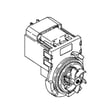
| Not draining | Drain pump or restriction | Dishwasher drain pump WD19X25461 |
| Not drying well | Heating circuit issue | Dishwasher heating element WD05X35098 |
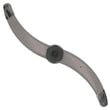
| Not cleaning well | Clogged or damaged spray arm | GE dishwasher spray arm, lower WD22X33499 |
Why it matters
Knowing the typical life expectancy helps you decide whether to maintain, repair, or replace. If your dishwasher is near 10 to 12 years old, a simple fix (like restoring spray or draining) can be a cost-effective way to extend service life.
For troubleshooting by symptom, use our GE dishwasher error codes resource.
Last updated: January 2026
What dishwasher to stay away from?
We do not recommend “staying away” from a brand name alone; dishwasher reliability varies by model and by how well the unit is installed, loaded, and maintained. For a GE GDF511PGR3BB dishwasher, the most practical approach is to compare features and serviceability, then watch for common failure points like draining, filling, and heating.
What to look for (instead of avoiding a brand)
When you are shopping, these checks do a better job of preventing regret than brand lists:
- Choose a model with readily available replacement parts and clear service history.
- Avoid designs with overly complex controls if you prefer simpler repairs.
- Confirm the tub, door seal, and rack design fit how you load dishes.
- Check noise rating and cycle length expectations before buying.
- Plan for routine cleaning (filters, spray arms, and sump area).
Common dishwasher problems that drive “bad reviews”
Many “avoid this dishwasher” complaints trace back to a few repeat issues:
- Not draining (often a drain pump, hose routing, or blockage issue)
- Not filling (water valve, supply shutoff, or inlet restriction)
- Not cleaning (spray arm clogs, low water level, loading issues)
- Not drying (heater circuit, rinse aid use, cycle selection)
- Won’t start (door latch, control, or user interface problems)
For GE-specific troubleshooting patterns, we use GE dishwasher error codes and GE electronic dishwasher error codes to narrow symptoms to the most likely circuit or component.
Quick “buy vs. avoid” checklist
| If you want… | Prioritize… | Watch out for… |
|---|---|---|
| Fewer repairs | Proven platform, simpler controls | Hard-to-source electronics |
| Better cleaning | Strong wash system, good spray coverage | Chronic low-fill complaints |
| Better drying | Effective heater and venting strategy | Plastic-heavy loads without rinse aid |
| Easier DIY service | Accessible pumps, valves, and latches | Sealed assemblies that require major teardown |
Why it matters
A dishwasher that is easy to diagnose and repair usually costs less to own over time. On the GDF511PGR3BB, issues like no-drain or no-heat are often repairable with targeted parts such as a dishwasher drain pump WD19X25461 or a dishwasher heating element WD05X35098, instead of replacing the whole appliance.
Last updated: January 2026
How to get a GE Quiet Power 1 dishwasher to drain?
To force-drain a GE dishwasher like model GDF511PGR3BB, start a cycle and then press and hold the Start/Reset pad for about 3 seconds; the unit should cancel and run the drain pump to empty the tub. If it will not drain, a clog or drain component issue is likely.
Quick steps to force a drain
- Press Start to begin a cycle (door fully latched).
- Press and hold Start/Reset for 3 seconds.
- Listen for the drain pump running and water moving through the drain hose.
- Wait 1 to 2 minutes; most cancel-drains finish quickly.
- If water remains, turn power off at the breaker before checking for clogs.
If it still will not drain (most common causes)
A forced drain fails when water cannot leave the tub or the dishwasher cannot run the drain system.
- Air gap or garbage disposal plug: Clear the air gap (if installed) and make sure the disposal inlet knockout was removed.
- Drain hose kink or blockage: Check for kinks behind the unit and clogs at the sink connection.
- Sump or filter area blockage: Remove standing water, then check the sump area for debris.
- Drain pump problem: A jammed or failed pump can prevent draining; see dishwasher drain pump WD19X25461.
- Control or sensing issue: If the dishwasher stops mid-cycle or shows a fault, use GE dishwasher error codes to match symptoms to likely causes.
What to check first (fast diagnostic)
| What you notice | Most likely issue | What to do next |
|---|---|---|
| Hums but no water leaves | Pump jam or blockage | Inspect sump, then consider dishwasher drain pump WD19X25461 |
| Drains slowly | Partial clog | Clear hose, air gap, sink/disposal connection |
| No pump sound at all | Power/control/door latch | Confirm door latches; check for error codes |
Why it matters
Standing water can cause odors, poor cleaning, and can trigger cycle interruptions. Getting the cancel-drain working helps you separate a simple clog from a drain pump or control problem.
Last updated: January 2026





