Owner’s manual
 View engine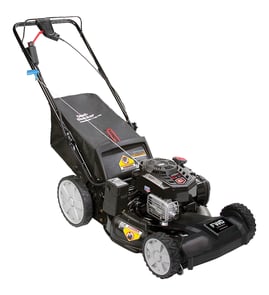



Should I use 87 or 91 gas for lawn mower?
For the Craftsman lawn mower model 917387690, regular 87-octane gasoline is the right choice for normal operation; higher octane (like 91) does not add power or protection in a typical small mower engine. For fuel and operating details specific to your mower, follow the 917387690 owner's manual.
What to use (and what to avoid)
- Use fresh, clean unleaded gasoline (87 octane).
- Avoid using higher octane as a “tune-up”; it does not clean jets or improve starting.
- Avoid old gas; stale fuel is a top cause of hard starting and rough running.
- Keep gasoline off tires, wheels, and painted surfaces because it can damage rubber and finishes.
- Fill only when the engine is off and cool; wipe up spills before starting.
Quick comparison: 87 vs 91 octane
| Fuel choice | Best use in a walk-behind mower | What you should expect |
|---|---|---|
| 87 octane (regular) | Everyday mowing | Normal starting, normal power |
| 91 octane (premium) | Not needed for most mowers | No added power; no cleaning benefit |
If your mower runs poorly, fuel is only one piece
If your 917387690 is surging, stalling, or hard to start, these checks usually help more than changing octane:
- Replace old fuel with fresh fuel.
- Check the air filter for clogging.
- Inspect the spark plug condition and gap.
- Make sure you are not over-priming in warm weather (flooding can prevent starting).
- Confirm the operator presence control bar is held down fully during starting.
Why it matters
Using the correct fuel keeps the carburetor and fuel system more reliable, reduces starting problems, and helps your Craftsman mower maintain steady engine speed under load.
Last updated: January 2026
How to find Craftsman model number?
On the Craftsman walk-behind mower model 917387690, the model number is printed on a decal on the rear of the mower housing (back of the deck). Once you find it, record the model and serial number so you can match the correct parts and diagrams in the 917387690 owner's manual.
Where to look on the mower
Check these common spots on Craftsman walk-behind mowers like model 917387690:
- Rear of the mower housing (back of the deck), on a decal
- Near the lower handle mounts on the rear of the deck
- On the metal deck surface just above the rear wheels (varies by production run)
- Near the discharge area (less common)
What the label usually includes
The decal typically lists more than just the model number. Look for:
- Model number (example: 917.387690 or 917387690)
- Serial number
- Safety markings and basic product identifiers
Quick ID tips (so you order the right parts)
Use this checklist before buying a blade, cable, or wheel:
- Match the model number exactly: 917387690
- Write down the serial number too (it can affect part variations)
- Use the model number to confirm deck size and configuration (this model is a 22-inch side discharge mower)
| What you’re finding | Why it matters | Example for this mower |
|---|---|---|
| Model number | Ensures diagrams and parts match your deck and handle setup | 917387690 |
| Serial number | Helps confirm the correct revision of parts | Printed on the same decal |
Why it matters
Craftsman walk-behind mowers often share similar-looking decks and handles, but parts like the zone control cable, blade adapter, and wheel hardware can vary by model and serial range. Using the exact model number prevents wrong-part returns and fit issues.
Last updated: January 2026
What is the life expectancy of a gas lawn mower?
A typical gas walk-behind lawn mower lasts 8 to 10 years with normal homeowner use and consistent maintenance. For your Craftsman 917387690, following the maintenance and storage steps in the 917387690 owner's manual helps you reach that lifespan and avoid premature engine wear.
What affects mower lifespan most
- Maintenance frequency: oil checks/changes, air filter care, and seasonal tune-ups
- Cleaning habits: built-up grass and debris make the engine run hotter and shorten engine life
- Storage practices: storing clean and dry, especially if it sits 30+ days
- Operating conditions: thick, wet grass and dusty mowing increase wear
- Wear items replaced on time: blade, blade adapter, spark plug, belts (as equipped)
Maintenance schedule that supports an 8 to 10 year lifespan
The manual calls out several habits that directly protect engine life.
- Clean the underside after each use (scrape off grass buildup)
- Keep the engine area clear of debris so it runs cooler
- Replace the spark plug at the start of each mowing season or every 100 hours (whichever comes first)
- Inspect the muffler and replace if corroded
- Prep for storage if the mower will sit 30 days or more (clean, lubricate, tighten fasteners, inspect for wear)
Quick reference table
| Use pattern | Typical life expectancy | What usually ends it first |
|---|---|---|
| Homeowner, maintained | 8 to 10 years | Normal engine wear, deck corrosion |
| Homeowner, minimal maintenance | 3 to 6 years | Overheating from debris, fuel issues |
| Commercial or heavy use | 2 to 5 years | High-hour engine wear, drivetrain/deck wear |
Why it matters
Most “mower died early” problems trace back to heat, debris, and neglected tune-ups. Keeping the deck clean and the engine serviced reduces overheating and helps the mower keep consistent power and cut quality.
Last updated: January 2026
Is it cheaper to repair or replace a lawn mower?
For a Craftsman walk-behind mower like model 917387690, it’s usually cheaper to repair when the problem is routine maintenance or a single worn part (blade, cable, adapter). It’s usually smarter to replace when the engine or drive system needs major work and the repair total approaches half the cost of a comparable new mower.
Quick rule of thumb (repair vs replace)
- Repair if it’s a tune-up item or a simple bolt-on part
- Repair if the mower has been maintained per the 917387690 owner’s manual
- Replace if the engine has low compression, heavy smoking, or repeated no-start issues after basic checks
- Replace if multiple major systems are failing at once (engine plus wheels/drive plus deck damage)
- Replace if repair cost is 50% or more of the price of a similar new mower
Common “repair” scenarios for this model
These are typical fixes that often cost far less than replacement:
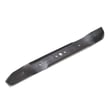
- Dull, bent, or damaged blade (replace the lawn mower blade)
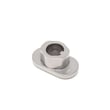
- Stripped blade hub or wobble (replace the blade adapter)
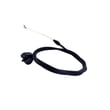
- Safety/zone control cable stretched or broken
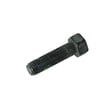
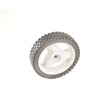
- Loose hardware on the handle or wheels
Parts that commonly solve cutting and vibration complaints
| Symptom | Likely fix | Example part for 917387690 |
|---|---|---|
| Poor cut, tearing grass | Replace or sharpen blade | Lawn mower blade 532406713 |
| Blade won’t stay tight, vibration | Inspect/replace adapter | Lawn mower blade adapter 532418373 |
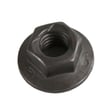
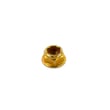
| Blade hardware won’t hold torque | Replace locking hardware | Lock nut 532409149 |
Why it matters
A sharp, properly mounted blade and a solid blade adapter protect the crankshaft and improve cut quality. The manual also notes that blades and adapters are normal wear items and that maintenance affects warranty coverage and long-term reliability.
Helpful DIY guidance
- Follow the blade removal safety steps in the 917387690 owner’s manual (disconnect spark plug wire first).
- Use a block of wood to keep the blade from turning while loosening the bolt.
- If you plan to sharpen instead of replace, use how to sharpen a lawn mower blade to check balance afterward.
Last updated: January 2026