
How to set speed on drill press?
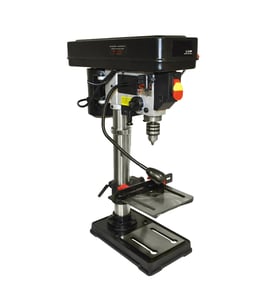
On the Craftsman drill press model 137248030, you set the speed by moving the drive belt to different pulley steps (and sometimes changing a high/low range). Use slower speeds for larger bits and harder materials; use faster speeds for small bits and softer materials.
How to change drill press speed (belt and pulleys)
- Unplug the drill press.
- Open the belt cover on top of the head.
- Loosen the motor mount or tension lever so the belt has slack.
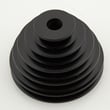
- Move the belt to the pulley steps that match the speed you want:
- Bigger pulley step on the spindle = slower
- Smaller pulley step on the spindle = faster
- Re-tension the belt (firm, not overly tight), then tighten the motor mount/lever.
- Spin the pulleys by hand to confirm the belt tracks correctly, close the cover, then plug in and test.
Quick speed selection tips
- Large Forstner bits, hole saws, and sanding drums: slow
- Twist bits 1/8 in. to 1/4 in. in wood: medium to fast
- Metal drilling: slow to medium (use cutting oil and steady feed)
- If the bit chatters, burns, or stalls: slow down and reduce feed pressure
- If the bit grabs: clamp the workpiece and slow the speed
Typical speed guidance (use as a starting point)
| Material / bit size | Starting speed range (RPM) | Notes |
|---|---|---|
| Softwood, small twist bits | 1500 to 3000 | Fast is fine if the bit stays cool |
| Hardwood, medium bits | 600 to 1500 | Prevents burning |
| Large bits or hole saws | 200 to 600 | Reduces grabbing and overheating |
| Mild steel, small bits | 300 to 800 | Use cutting oil |
Why it matters
Correct speed protects the motor, reduces bit breakage, and improves hole quality. Running too fast is the most common cause of burning in wood and overheated, dull bits in metal.
Parts and help for your model
If the belt slips, squeals, or won’t hold tension, check the belt condition and pulley alignment. For model-specific replacement parts and diagrams for 137248030, start with the parts list for this model, or search by model number on Sears PartsDirect.
Last updated: February 2026
What is a good horsepower for a drill press?
For the Craftsman 137248030 drill press, a good horsepower depends on what you drill most often: 1/3 to 1/2 HP handles typical home woodworking and light metal work, while 3/4 to 1 HP is the better target for frequent larger bits, thicker stock, and harder metals. Use Sears PartsDirect to look up your exact model and compare parts and specs.
Quick horsepower guide (what we recommend)
- 1/3 HP: light-duty drilling, small bits, softwoods, plastics
- 1/2 HP: best all-around choice for most DIY shops
- 3/4 HP: frequent metal drilling, larger Forstner bits, hole saws (moderate sizes)
- 1 HP: heavy, repeated drilling in hardwoods and steel with larger bits
- If you routinely stall the bit, slow down the speed first; then consider more HP
Match horsepower to the work you do
| Your typical jobs | Good HP range | Why it fits |
|---|---|---|
| Small holes in wood, occasional use | 1/3 to 1/2 HP | Plenty of torque at correct speeds |
| Furniture, cabinetry, mixed materials | 1/2 HP | Strong balance of power and control |
| Metalworking, larger bits more often | 3/4 to 1 HP | Better torque reserve, less bogging |
Specs that matter as much as horsepower
Horsepower helps, but drill press performance also depends on setup and core features.
- Speed range: slower speeds for larger bits and metal; faster for small bits in wood
- Pulley/belt condition and tension: slipping belts feel like “low power”
- Sharp bits: dull bits overload the motor and cause burning
- Quill travel (stroke): more travel reduces repositioning on thicker work
- Table rigidity and alignment: reduces chatter and improves hole accuracy
Why it matters
Choosing the right HP helps you drill cleaner holes with less stalling, less overheating, and better control. For most home shops, 1/2 HP is the practical sweet spot; step up to 3/4 to 1 HP when you regularly drill larger holes or harder metals.
Last updated: February 2026
What maintenance does a drill press need?
A Craftsman drill press like model 137248030 needs routine cleaning, lubrication, and accuracy checks so the chuck grips the bit straight and the quill moves smoothly. Regular maintenance reduces wobble, improves hole accuracy, and helps the motor and bearings last longer.
Routine drill press maintenance checklist
- Clean the chuck and taper: Remove the bit, open the jaws fully, brush out dust, then wipe the chuck body. If the chuck mounts on a taper, keep both mating surfaces clean and dry so it seats true.
- Lubricate moving parts: Apply a light machine oil to the quill and rack-and-pinion (feed mechanism) so the handle returns smoothly. Wipe off excess to avoid attracting sawdust.
- Check belt condition and tension (belt-driven presses): Inspect for glazing, cracks, or fraying; set tension so the belt does not slip under load.
- Verify table and head alignment: Square the table to the bit with a machinist square; re-check after moving the table height or tilt.
- Inspect electrical and cord condition: Look for nicks, loose connections, or heat discoloration; correct issues before use.
- Tighten fasteners: Confirm the base, column clamp, table lock, and head bolts are snug to prevent vibration.
Quick “tune-up” steps (10 to 15 minutes)
- Unplug the drill press.
- Vacuum dust from the pulleys, belt area, and motor vents.
- Wipe the chuck jaws and lightly oil the quill, then cycle the feed handle several times.
- Check runout symptoms: if the bit visibly wobbles, reseat the chuck and confirm the bit is straight.
Common maintenance intervals
| Task | Typical interval | Why it matters |
|---|---|---|
| Clean chuck/jaws | Every use | Prevents slipping and off-center drilling |
| Oil quill/feed | Monthly or after heavy use | Keeps smooth travel and consistent depth |
| Check belt tension | Every 3 to 6 months | Prevents speed loss and burning belts |
| Square table | After table moves | Keeps holes perpendicular |
Why it matters
A drill press is all about controlled, repeatable drilling. A dirty chuck, dry quill, or loose table can cause bit wander, oversized holes, chatter, and premature wear on bearings and belts.
Parts and diagrams
If you need replacement parts for your Craftsman 137248030, start with the parts diagrams for this model; for broader model searches and ordering, use Sears PartsDirect.
Last updated: February 2026
Where can I buy Craftsman replacement parts?
For your Craftsman model 137248030 drill press, we recommend buying replacement parts by searching with the exact model number so you match the correct diagrams and part listings. Start with the model parts list, then use Sears PartsDirect to search by model number when you need broader Craftsman coverage.
Best way to shop for the right part
Using the model number first is what prevents wrong orders, especially on power tool parts like switches, belts, pulleys, quill components, and motor parts.
- Confirm the model number is 137248030 (from the ID label on the tool)
- Use the model-based parts diagrams to identify the exact part name
- Match any stamped numbers on the old part (when present)
- Compare mounting style, shaft size, and electrical ratings before ordering
- Order the replacement and keep fasteners/spacers organized for reassembly
What to do if you cannot find the part right away
Some drill press parts are listed under assemblies (for example, a switch may be part of a switch box assembly). When that happens, searching by model number and the part description usually surfaces the correct listing.
| What you have | What to search | Why it helps |
|---|---|---|
| Model number | 137248030 | Pulls the correct diagrams for your Craftsman drill press |
| Old part in hand | Stamped number or description | Helps match revisions and look-alike parts |
| Symptom | “won’t start”, “wobbles”, “won’t hold speed” | Points you toward common wear parts and assemblies |
Why it matters
Craftsman drill press parts often look similar across models, but small differences (shaft diameter, pulley bore, switch amperage, belt length) affect fit and safety. Shopping by 137248030 keeps the repair accurate and reduces downtime.
Last updated: February 2026