Owner’s manual
 Error Codes



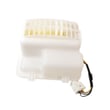
How many cubic feet is a Samsung RFG297HDWP?
The Samsung RFG297HDWP refrigerator has a total capacity of 28.5 cubic feet. For the most accurate model-specific specs and configuration details (including how capacity is allocated between fresh food and freezer), we recommend confirming in the owner's manual.
- Total capacity: 28.5 cu. ft.
- Appliance type: Samsung bottom-mount refrigerator (French door style)
- What “total capacity” means: combined fresh food + freezer storage volume
- Real usable space varies: shelves, ice bin, and door bins reduce usable volume
Even when the rated capacity is 28.5 cu. ft., the space you can actually fill is affected by common components such as:
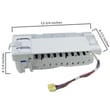
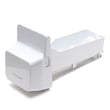
- Ice maker and ice storage (for example, the Samsung refrigerator ice maker DA97-07365G and the refrigerator ice bin DA97-11117A)
- Air channels and the evaporator cover area (cooling airflow space)
- Shelf and drawer layout (crispers, drawer covers, and door bins)
| Spec | What it tells you | Why it matters |
|---|---|---|
| Capacity (cu. ft.) | Storage volume rating | Helps compare refrigerator sizes and storage needs |
| Width/height/depth | Physical size of the cabinet | Determines whether it fits your kitchen opening |
| Clearance needs | Space around the refrigerator | Helps doors open fully and improves airflow |
Knowing the capacity helps you compare refrigerator sizes, but checking the physical dimensions and required clearances is just as important for installation and door swing. The owner's manual includes guidance on measuring your space and allowing proper clearance.
Last updated: February 2026
What is the life expectancy of a Samsung refrigerator?
Most Samsung refrigerators typically last 10 to 15 years with normal household use. For your Samsung RFG297HDWP, consistent cleaning, good airflow around the cabinet, and fixing cooling or ice maker issues early are the biggest factors that help you reach the high end of that range.
We see these items make the biggest difference in how long a refrigerator runs reliably:
- Condenser airflow and cleanliness (dust buildup makes the system run hotter)
- Door seal condition (warm air leaks force longer run times)
- Ice maker and water system upkeep (clogs and leaks create repeat failures)
- Stable temperatures (avoid frequent warm-ups from propped doors)
- Timely repairs when symptoms first appear (fan noise, warming, frost buildup)
Your manual emphasizes that regular care helps prolong appliance life; follow the cleaning guidance in the owner's manual.
- Clean interior surfaces with mild detergent; dry shelves and drawers before reinstalling
- Wipe the control panel and display with a damp, soft cloth (do not spray water directly)
- Keep door gaskets clean so they seal tightly
- Leave space behind the refrigerator for airflow
- If you see condensation on the center door area, adjust Energy Saver settings as described in the manual
These are typical categories of repairs and what they usually mean long-term:
| Part category | Examples on this model | What it usually indicates |
|---|---|---|
| Wear and convenience parts | Ice maker, bins, door hardware | Normal aging; often worth repairing |
| Airflow and defrost parts | Fans, defrost heater | Can cause warming or frost; fix quickly |
| Sealed system parts | Compressor, evaporator | Higher-cost repair; evaluate overall condition |
A refrigerator that runs warmer than normal or runs constantly ages faster because the compressor and fans work harder. Keeping seals tight, airflow clear, and temperatures stable reduces stress on the sealed refrigeration system.
Last updated: February 2026
What is the most common problem with Samsung refrigerators?
The most common issue we see with Samsung refrigerators like model RFG297HDWP is a cooling problem caused by frost or ice buildup around the evaporator area; this restricts airflow so the fresh food section warms up even while the freezer still seems cold. Check operating and care guidance in the owner's manual.
- Refrigerator section is warm but freezer is still freezing
- Temperature swings or food spoiling faster than normal
- Fan noise changes (rubbing, buzzing) or the fan gets quiet due to ice
- Water leaking or puddles forming from defrost drain issues
- Ice maker stops producing ice or makes small, hollow cubes
Cooling complaints typically come down to airflow and defrost performance. Start with these quick checks before replacing parts:
- Make sure vents and air holes are not blocked by food packages (blocked airflow can cause overcooling and icing).
- After any power interruption, wait at least 5 minutes before plugging the refrigerator back in.
- If water dispenses slowly, replace the water filter; a clogged filter can reduce water flow to the dispenser and ice maker.
- Look for frost buildup on the back wall inside the refrigerator compartment.
- Confirm doors seal fully and close on their own.
If troubleshooting points to a failed component, these model-compatible parts are commonly involved:
| Problem area | What it affects | Example model-compatible part |
|---|---|---|
| Defrost system | Frost buildup, warm fresh food section | Refrigerator defrost heater DA47-00424M |
| Temperature sensing | Erratic temps, improper defrost timing | Kenmore pro refrigerator temperature sensor DA32-10105X |
| Drain/defrost water path | Leaks, ice buildup near drain | Refrigerator cabinet drain tube assembly DA97-04049H |
| Ice production | No ice, slow ice, clumping | Samsung refrigerator ice maker DA97-07365G |
A refrigerator cools by moving air across cold evaporator coils. When frost builds up, airflow drops and the refrigerator compartment warms first. Catching the issue early helps prevent food loss and reduces strain on the compressor and fans.
- Use our troubleshooting steps for ice production issues in why your Samsung fridge stopped making ice and how to fix it.
Last updated: February 2026
What are the 4 types of ice Samsung?
On the Samsung RFG297HDWP refrigerator, the dispenser lets you choose two ice types: cubed or crushed. If you see marketing that mentions “four types of ice,” that refers to specific newer models and features, not the standard ice options shown for this model in the owner's manual.
When you press the Ice Type button on the control panel, the modes alternate between:
- Cubed ice
- Crushed ice
- Water (separate mode)
- Ice Off (turns the ice maker off)
If you select cubed but get crushed (or the other way around), we recommend these basics first:
- Confirm the display shows the ice type you want before dispensing.
- Make sure the ice bin is seated fully and not overfilled.
- Break up clumped ice in the bin (clumps can force crushing).
- Dispense a few seconds of ice after switching modes (some mixed ice is normal).
- If the dispenser does not run, confirm the refrigerator door is fully closed.
Some Samsung refrigerators advertise additional ice shapes (for example, specialty bite-size ice). That is a model-specific feature tied to a different ice maker and dispenser design. Knowing what your RFG297HDWP actually supports helps you avoid ordering the wrong parts and focuses troubleshooting on the dispenser, ice bin, and ice maker.
If you are troubleshooting ice issues on RFG297HDWP, these are commonly involved components:
| Symptom | Most likely area | Example part on this model page |
|---|---|---|
| No ice production | Ice maker or water supply to ice maker | Samsung refrigerator ice maker DA97-07365G |
| Ice dispenses but jams/clumps | Ice bin and ice quality | Refrigerator ice bin DA97-11117A |
| Ice type selection works but dispensing is inconsistent | Dispenser mechanism or controls | (inspect bin, chute, and door switch first) |
For step-by-step ice maker troubleshooting and fixes, use why your Samsung fridge stopped making ice and how to fix it.
Last updated: February 2026