


Does GE make range hoods?
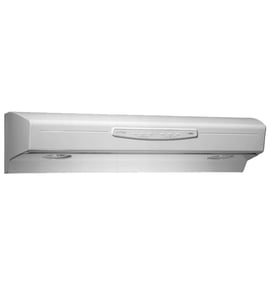
Yes. GE makes a full lineup of range hoods, including models like the GE UVD6301SP1SS, designed to vent smoke, steam, grease, and cooking odors from your kitchen.
What “GE range hood” means in practice
GE range hoods are built to match common cooktop and range setups and typically include features like a multi-speed blower, grease filtration, and a control panel for fan and light functions.
Common components you will see on GE range hoods include:
- Blower and fan controls for ventilation speeds
- Grease filters to capture airborne grease
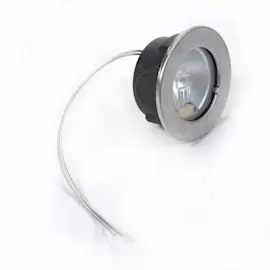
- Light and switch controls for cooktop illumination
- Chimney or ducting connections (varies by installation)
Parts that support ventilation and controls on UVD6301SP1SS
If you are maintaining or repairing this specific model, these are examples of model-matched parts that commonly relate to “fan and controls” questions:
| Function | Example part on this model | What it affects |
|---|---|---|
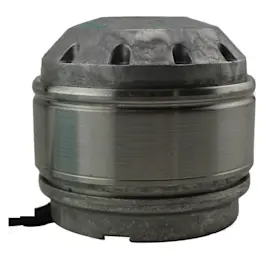
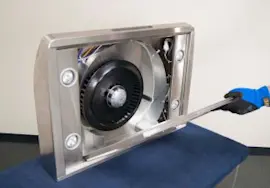
| Fan operation | Blower assembly WB26X38736 | Air movement and ventilation performance |
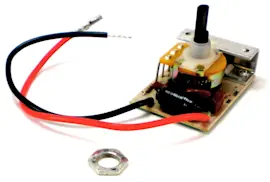
| User controls | Switch assembly WB34X38741 | Fan and light command inputs |
| Grease capture | Grease filter WB02X38740 | Airflow restriction and grease buildup |
Why it matters
Choosing a hood from the same manufacturer as your cooking appliances can simplify fit and finish, and keeping filters and controls in good shape helps the hood move air efficiently and stay quieter over time.
Last updated: February 2026
What are the parts of a range hood called?
A range hood is typically made up of the hood canopy (the main body), a venting path (ducted or recirculating), a blower/fan, filters, lights, and a control panel with switches. On GE model UVD6301SP1SS, you will also see service parts like the blower assembly and grease filter.
Common range hood part names (and what they do)
- Hood canopy: Captures smoke, steam, and grease above the cooktop.
- Blower/fan assembly: Moves air through the hood; may vent outside or recirculate.
- Grease filter: Traps grease before it reaches the blower and ductwork.
- Control panel: Houses the buttons/switches for fan speeds and lights.
- Switches and switch buttons: Turn functions on/off and select speeds.
- Chimney/duct cover (on many wall hoods): Covers the duct run for a finished look.
Parts you might actually replace on UVD6301SP1SS
| Part name | What it affects | Example on this model |
|---|---|---|
| Grease filter | Airflow and grease capture | Grease filter WB02X38740 |
| Blower assembly | Fan operation and airflow | Blower assembly WB26X38736 |
| Switch assembly | Fan/light controls | Switch assembly WB34X38741 |
| Chimney assembly | Fit and appearance | Chimney assembly WB34X38730 |
How to identify the right “name” for a part
- Start with the symptom: no fan, weak airflow, noisy fan, lights out, or dead controls.
- Look at where the part sits: inside the canopy, behind the control panel, or in the chimney.
- For airflow issues, check the grease filter first; it is the most common maintenance item.
- For control issues, focus on the switch assembly and related control panel pieces.
- For vibration or noise, inspect the blower assembly and mounting hardware.
Why it matters
Using the correct part name helps you match the right replacement to the right function. For example, “blower assembly” points to the fan motor and wheel area, while “grease filter” points to the removable filter that affects airflow and grease buildup.
Related help: range hood common questions
Last updated: February 2026
Why is the fan not working on my GE stove?
On a GE UVD6301SP1SS range hood, a “fan not working” problem is usually caused by a power issue, a failed control/switch, or a bad blower motor. We start by confirming power and airflow basics, then test the fan switch and blower assembly for proper operation.
Quick checks first (fastest fixes)
- Make sure the hood has power (check the breaker and any wall switch feeding the hood).
- If the hood has lights but no fan, the issue is often in the fan control circuit (switch or control panel).
- If the fan runs but airflow is weak, the grease filter or ducting is usually restricted.
- If the fan hums but will not spin, the blower can be jammed or the motor can be failing.
- If the fan is intermittent, a loose connection or failing switch is common.
Parts to suspect on model UVD6301SP1SS
If the basic checks point to a component failure, these model-matched parts are common suspects:
- Blower assembly WB26X38736 (fan motor and wheel assembly; a failed motor or seized wheel stops airflow)
- Switch assembly WB34X38741 (fan speed/on-off control; failed contacts can prevent the blower from getting power)
- GE stainless steel control panel WB56X38729 (if buttons or controls are unresponsive)
- Grease filter WB02X38740 (a clogged filter can make the fan seem ineffective even when it runs)
What to test (simple decision guide)
| Symptom | Most likely cause | What we do next |
|---|---|---|
| Lights work, fan dead | Switch/control issue | Check the switch operation and wiring to the blower |
| Fan hums, won’t spin | Blower wheel jam or motor failing | Inspect for obstruction; replace blower if motor is tight |
| Fan runs, poor suction | Filter or duct restriction | Clean/replace filter; check damper and duct for blockage |
| Nothing works | No power to hood | Verify breaker, wall switch, and supply wiring |
Why it matters
A non-working range hood fan lets heat, smoke, and grease stay in the kitchen; that can also load up the grease filter faster and reduce ventilation performance over time.
Helpful DIY guidance
- Range hood fan doesn't work
- Range hood fan not pulling much air
- How to replace a range hood fan motor
- How to replace a range hood fan switch
Last updated: February 2026