 Owner’s manual



What is the average lifespan of a GE washing machine?
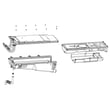
A GE washing machine typically lasts 10 to 14 years. For your GE GFW850SPN1RS front-load washer, lifespan depends most on load size, cycle frequency, detergent use, and routine maintenance; following the care and troubleshooting guidance in the GFW850SPN1RS owner's manual helps you get the full service life.
Typical lifespan and what changes it
Most washers reach their expected lifespan when they are installed correctly, kept level, and maintained to prevent odor, leaks, and vibration.
What extends washer life
- Use the right detergent amount (too much causes residue and extra wear)
- Keep loads balanced; avoid chronic overloading
- Leave the door ajar between loads so the door boot can dry
- Replace water supply hoses every 5 years (reduces leak risk)
- Clean the pump filter periodically to prevent drain strain
What shortens washer life
- Daily heavy loads (especially bulky items) and frequent high-speed spins
- Repeated “out of balance” shaking and walking
- Letting small leaks continue (boot, hoses, or pump area)
- Ignoring early symptoms like slow draining or door lock issues
Quick maintenance schedule (simple and effective)
| Task | How often | Why it matters |
|---|---|---|
| Wipe and dry the door boot area | Weekly | Prevents mildew, protects the seal |
| Check/clean the pump filter | Monthly | Helps the drain pump avoid clogs |
| Run a washer cleaning cycle | Monthly | Reduces odor and detergent buildup |
| Inspect fill hoses and connections | Every 6 months | Catches bulges, cracks, seepage |
| Replace fill hoses | Every 5 years | Prevents age-related hose failure |
Parts that commonly affect “end of life” symptoms
If the washer is otherwise in good shape, replacing a few common wear parts can restore reliable operation.
- Door won’t lock or cycle won’t start: GE washer door lock WH01X29528 or door latch WH01X32580
- Leaks at the door opening or persistent odor: washer door boot WH05X29514
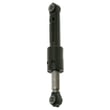
- Loud banging or excessive vibration: washer shock absorber WH03X29516
- Slow drain or water left in tub: pump filter with seal WH23X38617
Why it matters
A front-load washer like the GE GFW850SPN1RS can run for well over a decade, but small maintenance habits (drying the boot, managing detergent, keeping it level) prevent the most common failures that make a washer seem “worn out” early.
If you decide to repair, you can order model-specific replacement parts from the parts list for GFW850SPN1RS, or search by model on Sears PartsDirect.
Last updated: February 2026
What is the biggest problem with front load washers?
The biggest problem with front-load washers (including GE model GFW850SPN1RS) is odor, mold, and mildew caused by moisture and detergent residue trapped around the door boot and inside the drum. Following the cleaning and ventilation steps in the GFW850SPN1RS owner's manual prevents most issues.
Why it happens
Front-load washers seal tightly for efficiency; that tight seal also holds moisture in common trouble spots.
- Water sits in the folds of the door boot after a cycle
- Detergent and softener residue feeds buildup
- Keeping the door closed traps humidity
- Using too much HE detergent leaves extra suds and film
- Debris in the pump filter can add musty odors and slow draining
What we recommend (daily and monthly habits)
- Wipe the door boot and door glass dry after the last load
- Leave the door ajar between loads so the drum can air out
- Remove wet laundry promptly
- Run the washer cleaning cycle on the schedule in the manual
- Clean the pump filter periodically (expect some water when removing it)
Quick checklist
| Task | Frequency | Helps prevent |
|---|---|---|
| Wipe door boot and glass | After last load | Odor, mildew, staining |
| Leave door ajar | Between loads | Musty smell |
| Clean pump filter | Monthly or when draining slows | Odor, slow drain, pauses |
When it becomes a parts issue
If you see leaks, tears, or the door no longer seals, the boot is typically the failed component; replace the washer door boot WH05X29514. If the washer pauses, drains slowly, or traps debris, inspect and clean the pump filter with seal WH23X38617.
Why it matters
Odor and mildew are not just cosmetic; buildup can transfer smells to laundry, reduce cleaning performance, and contribute to slow-drain symptoms.
You can order replacement parts from the parts list for your GFW850SPN1RS, or search by model number on Sears PartsDirect.
Last updated: February 2026
How do I find the model number on my GFW850SPN1RS?
For the GE GFW850SPN1RS washer, the model number is printed on the rating label inside the washer door. Open the door and look around the door opening area for a label that lists both the model and serial numbers.
Where to look (fast checklist)
- Open the washer door fully
- Look for a printed label inside the door opening
- Check the door frame area (around the opening, not the glass)
- Find the line that starts with Model #
- Write down the full model number and serial number exactly as shown
What the label typically includes
| Label item | What it’s used for |
|---|---|
| Model number | Matching the correct parts diagrams and replacement parts |
| Serial number | Identifying the production run for service and compatibility |
| Electrical ratings | Confirming power requirements and safe servicing |
Why it matters
Using the exact model number (including every letter and number) prevents ordering the wrong GE washer parts, especially for common repairs like a door not locking, no fill, or no drain.
Next step once you have it
- Compare the label to your paperwork to confirm it matches
- Use the model number to select parts by symptom (door, drain, fill, vibration)
- Keep a photo of the label on your phone for future repairs
For the official location and wording GE uses for this label, follow the directions in the GFW850SPN1RS owner’s manual.
Last updated: March 2026


