View engine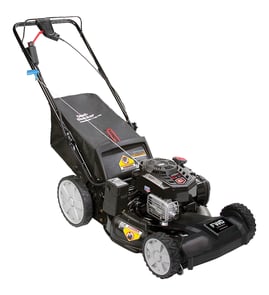






Where is Craftsman's model number?
On your Craftsman walk-behind mower, the model number is typically printed on a product ID label attached to the mower deck or rear housing. For this model, use 247370330 when ordering mower (non-engine) parts and looking up diagrams.
Common places to check on model 247370330
- Top of the mower deck near the engine mounting area
- Rear of the deck, close to the discharge chute or rear door
- Near the height-adjustment brackets by a rear wheel
- On the handle support brackets where the handle bolts to the deck
- Under the rear flap (if equipped), on the back edge of the deck
What the label usually looks like
The label is often a small sticker or metal tag with:
- Model number (example: 247370330)
- Serial number
- Manufacturing date code (varies by production run)
Model number vs. engine numbers (why both matter)
For Craftsman mowers, the mower model number and the engine model numbers are often different.
| What you are replacing | Number to use | Where it’s found |
|---|---|---|
| Mower deck, wheels, drive system, controls | 247370330 | Mower deck/rear housing label |
| Engine parts (carburetor, ignition, starter) | Engine model/type/code | Stamped/printed on the engine |
Why it matters
Using the correct mower model number helps us match the right diagrams and compatible parts the first time, especially for drive components and deck hardware.
Related DIY help
Last updated: January 2026
How long does a walk behind a lawn mower last?
A gas walk-behind mower like the Craftsman 247370330 typically lasts 8 to 10 years with normal residential use and basic maintenance. Many units run longer when the engine is kept clean, fuel is managed correctly, and wear items are replaced before they cause bigger damage.
What affects lifespan the most
- Maintenance frequency (oil changes, air filter cleaning, blade care)
- Fuel habits (fresh gas, stabilizer, draining or running dry for storage)
- Mowing conditions (wet grass, sandy soil, steep slopes, heavy leaf mulching)
- Storage (kept dry and covered vs. left outdoors)
- Wear parts replaced on time (drive components, cables, wheels)
Quick “repair vs. replace” checklist
If your 247370330 is within the 8 to 10 year range, we usually recommend repairing it when these are true:
- Engine starts easily and runs smoothly
- Deck is solid (no major rust-through or cracks)
- Self-propel drive still engages (or only needs a minor fix)
- Parts cost is reasonable compared to a new mower
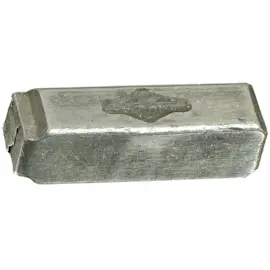
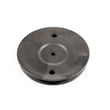
If the drive system is slipping or not engaging, inspecting the lawn mower pawl plate 16855 is a practical first step because it is a common wear item in wheel drive mechanisms.
Typical lifespan by usage (rule of thumb)
| Usage pattern | Expected lifespan | What usually ends it |
|---|---|---|
| Light (small yard, weekly) | 10+ years | Fuel issues, neglected tune-ups |
| Average (medium yard, seasonal) | 8 to 10 years | Drive wear, deck corrosion |
| Heavy (large yard, tough conditions) | 5 to 8 years | Engine wear, repeated impact damage |
Why it matters
Knowing the expected lifespan helps you decide whether to invest in maintenance (blade sharpening, tune-ups, drive repairs) or plan for replacement before a mid-season breakdown.
For seasonal upkeep that extends mower life, follow a routine like pre-summer mower check: how’s it holding up?.
Last updated: January 2026
What year is my Craftsman mower serial number lookup?
For Craftsman model 247370330, the exact year cannot be identified from the model number alone; it depends on the serial number format used on your mower’s ID label. Once you locate the serial number, we can usually decode a build date from the first several digits or letters.
Where to find the serial number on model 247370330
On most Craftsman walk-behind mowers, the ID label is on the deck or rear housing. Look for a sticker or stamped plate and write down both the model and serial.
Common places to check:
- Top of the mower deck near the engine
- Rear of the deck behind the engine
- Side of the deck near a rear wheel
- Under the rear discharge door (if equipped)
- On the handle support bracket
How serial number “date codes” usually work
Craftsman serial numbers are not all the same across years and manufacturers, so we decode based on the pattern you have.
Typical patterns you may see:
- MMDDYY embedded in the serial (month, day, year)
- YYWW (year, production week)
- A letter prefix that indicates the manufacturing plant or series, followed by numbers
Quick decode examples (general)
| Example pattern | What it means | Example result |
|---|---|---|
| MMDDYY | Month, day, year | 072811 = July 28, 2011 |
| YYWW | Year, week | 2315 = week 15 of 2023 |
Why it matters
Knowing the build year helps us match the correct parts and revisions for your 247370330, especially for wear items tied to the drive system and deck hardware.
If you are already troubleshooting a drive or wheel issue while you’re checking the label, the parts list for this model includes items like the lawn mower pawl plate 16855, which is commonly associated with wheel/drive engagement on many walk-behind designs.
Tips to avoid mix-ups when ordering parts
- Copy the serial number exactly (include letters and leading zeros)
- Compare your mower’s features (deck style, drive type) to the parts diagrams
- If a part looks close but not identical, stop and re-check the serial
Last updated: January 2026
What are the common problems with Craftsman lawn mowers?
On the Craftsman 247370330 self-propelled lawn mower, the most common problems we see are no-start or hard-start issues, rough running or stalling, poor cutting (uneven cut or clumping), and self-propel drive problems (won’t pull or slips). Exact failure points vary by engine and deck setup.
Most common symptoms and what usually causes them
- Won’t start / hard to start: stale fuel, dirty carburetor, fouled spark plug, stuck flywheel key, safety control issue
- Starts then dies / won’t stay running: restricted fuel flow, dirty carburetor jets, clogged air filter, bad ignition coil
- Runs rough / surges: varnished fuel, air leak, carburetor contamination, governor linkage issues
- Uneven cut / heavy clumping: dull or bent blade, deck packed with wet grass, cutting height mismatch, worn wheels
- Self-propel won’t move: stretched/broken drive cable, worn drive components, debris binding the drive
Quick checks we recommend first (fast, low-cost)
- Drain old gas and refill with fresh fuel (especially after storage).
- Inspect the spark plug and replace if fouled.
- Clean grass buildup under the deck (disconnect the spark plug wire first).
- Verify the blade is sharp and not bent.
- If the mower is self-propelled, inspect the drive engagement and wheel drive parts; the lawn mower pawl plate 16855 is one example of a drive-related component used on some setups.
Symptom-to-next-step guide
| What you notice | Most likely area | Best next step |
|---|---|---|
| Pull cord is stuck | engine flooded or internal drag | Follow lawn mower pull cord stuck checks |
| Won’t start | fuel, spark, compression | Use lawn mower won't start troubleshooting |
| Won’t stay running | fuel delivery/carburetor | Use lawn mower won't stay running steps |
| Clumps grass / poor discharge | deck condition, mowing conditions | Use how to keep grass clippings from sticking to a mower deck |
Why it matters
Catching these issues early helps prevent bigger repairs, improves cut quality, and reduces strain on the engine and self-propel drive system.
Last updated: January 2026
Can I use 5w30 instead of sae 30 in my lawn mower?
For Craftsman model 247370330, the specified oil type is SAE 30 for typical warm-weather mowing. 5W-30 can be used as a practical alternative mainly for cooler temperatures or easier starting, but it is not the primary specified viscosity; check the oil level more often if you switch.
What we recommend for model 247370330
- Use SAE 30 for normal spring and summer mowing conditions
- Consider 5W-30 when you mow in cooler weather and want easier cold starts
- If you use 5W-30 in hot weather, monitor oil level more frequently
- If you notice smoking or increased oil use, switch back to SAE 30
Quick comparison
| Oil viscosity | Best use case | Tradeoff to watch |
|---|---|---|
| SAE 30 | Warm to hot mowing temps | Harder starting in cold weather |
| 5W-30 | Cooler temps, easier starting | Can consume more oil in heat |
Tips if you decide to run 5W-30
- Check oil level before every mow until you know how your engine behaves
- Keep the level in the safe range; do not overfill
- Change oil on schedule; dirty oil accelerates wear in air-cooled engines
- Keep cooling air paths clear (grass buildup raises engine temperature)
Why it matters
Oil viscosity affects how quickly oil circulates at startup and how well it maintains a protective film when the engine is hot. Using the specified SAE 30 in warm weather helps protect internal engine parts during long, high-heat mowing.
For seasonal maintenance that helps prevent overheating and wear, use our pre-summer mower check: how’s it holding up?.
Last updated: January 2026