Owner’s manual
 Error Codes
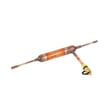


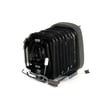
How big is the LFC21776ST?
The LG LFC21776ST bottom-mount refrigerator is a full-size unit; most models in this class are about 30 to 33 inches wide, 67 to 70 inches tall, and 33 to 36 inches deep (not counting extra clearance). For the exact dimensions for your unit, use the LFC21776ST owner's manual.
What “big” usually means (dimensions vs. capacity)
When customers ask how big a refrigerator is, they typically mean one of these:
- Exterior dimensions (width, height, depth)
- Capacity (cubic feet of storage)
- Fit requirements (door swing, ventilation clearance, and leveling space)
Because the exact spec can vary by revision and handle style, we recommend confirming the published dimensions in the manual before ordering a replacement or planning cabinetry.
Typical size ranges for a bottom-mount refrigerator like LFC21776ST
| Measurement | Typical range | Why it matters |
|---|---|---|
| Width | 30 to 33 in. | Cabinet opening and door clearance |
| Height | 67 to 70 in. | Overhead cabinets and trim |
| Depth | 33 to 36 in. | Counter depth fit and walkway space |
| Capacity | 20 to 25 cu. ft. | Storage planning and replacement comparison |
How to measure your refrigerator correctly
Use a tape measure and record to the nearest 1/8 inch.
- Measure width at the widest point (often the hinge side)
- Measure height from floor to top (include hinge cover if it’s the highest point)
- Measure depth from the back to the front edge (note whether you include handles)
- Leave clearance for door swing and airflow behind and above the cabinet
Why it matters
Accurate measurements prevent delivery problems, door interference, and poor cooling from restricted airflow. This is especially important for a bottom-mount refrigerator because the freezer drawer needs extra front clearance to open fully.
Last updated: January 2026
What is the average lifespan of an LG fridge?
Most LG refrigerators, including the LG LFC21776ST bottom-mount style, typically last 10 to 15 years with normal household use. Regular maintenance (especially cleaning airflow areas and keeping door seals tight) helps you reach the high end of that range.
Typical lifespan and what affects it
A refrigerator’s life depends more on operating conditions and maintenance than brand alone.
- 10 to 15 years is the common expectation for modern refrigerators
- Heavy use, hot garages, and poor airflow can shorten lifespan
- Good airflow and clean heat-exchange surfaces can extend lifespan
- Door seal leaks force longer run times and wear components faster
- Power surges and repeated hard starts can stress the compressor and controls
Maintenance that helps your LG LFC21776ST last longer
Use these habits to reduce compressor run time and prevent temperature swings.
- Vacuum dust from the rear and lower areas so heat can dissipate
- Keep food from blocking interior vents so cold air circulates
- Set stable temps (avoid frequent changes)
- Make sure doors close fully and don’t bounce open
- Replace worn gaskets if you feel air leaks or see condensation
For model-specific care and cleaning guidance, follow the LFC21776ST owner's manual.
Parts that commonly impact longevity
When cooling performance drops, these parts are often involved:
| Symptom | Common area to check | Example part for LFC21776ST |
|---|---|---|
| Warm fridge or freezer | Airflow inside cabinet | Refrigerator evaporator fan motor EAU65058315 |
| Long run times, poor cooling | Sealed system heat rejection | Refrigerator condenser coil ACG73784701 |
| Clicking, won’t start | Compressor start components | Refrigerator compressor start relay EBG60663230 |
Why it matters
A refrigerator that runs longer than it should uses more electricity, struggles to hold safe food temperatures, and puts extra wear on high-cost components like the compressor and electronic control board.
Last updated: January 2026
Why is my LG refrigerator leaking from the bottom?
On an LG LFC21776ST bottom-mount refrigerator, leaking from the bottom is usually caused by a clogged defrost drain (water overflows into the base), a door gasket that is letting warm air create excess condensation, or a water supply/valve issue feeding the ice maker or dispenser. Use the LFC21776ST owner's manual to confirm access points and cleaning steps.
Most common causes (and what to check first)
- Defrost drain clogged or frozen: Water from defrost cannot reach the drain pan and spills inside the cabinet.
- Door gasket not sealing: Moist air enters, creating heavy condensation that can drip and pool.
- Water line or inlet valve leaking: Slow drips can run down and appear as a bottom leak.
- Ice maker fill issues: Overfilling or a loose connection can leak intermittently.
- Drain pan shifted or cracked: Less common, but can cause water to miss the pan.
Quick fix steps we recommend
- Unplug the refrigerator and remove food from the affected area.
- Check for ice or debris at the drain opening (often under the evaporator cover area in the fresh food section).
- Flush the drain with hot water using a turkey baster; repeat until it flows freely.
- Inspect door gaskets for gaps, tears, or hardened sections; clean with warm soapy water and dry.
- Look for water trails behind the unit and under the cabinet near the valve area; if you see dripping, inspect the refrigerator water valve AJU72911105.
Symptom-to-cause guide
| What you see | Most likely cause | Best next check |
|---|---|---|
| Clear water pooling inside, near crisper | Clogged defrost drain | Flush drain with hot water |
| Water only after door openings, humid days | Door gasket leak | Dollar-bill test around gasket |
| Water on floor behind fridge | Supply line/valve leak | Inspect fittings and valve body |
| Leak happens during ice making | Fill tube/ice maker supply issue | Check connections and fill area |
Why it matters
Bottom leaks can lead to warped flooring, moldy odors, and temperature swings if ice buildup blocks airflow. Fixing the drain or sealing issue early helps the compressor and fans run normally and protects food quality.
Last updated: January 2026
What is the most common problem with an LG refrigerator?
The most common problem we see with LG refrigerators like model LFC21776ST is a cooling failure (refrigerator not cold enough or freezer warming). The root cause is often in the sealed-system or compressor start components, but airflow, defrost, and ice maker related issues are also frequent.
What “most common” usually looks like
Cooling complaints typically show up as one or more of these symptoms:
- Fresh food section warm but freezer seems closer to normal (or vice versa)
- Food spoiling faster, soft ice, or thawing items
- Compressor running a lot, clicking, or not starting
- Frost buildup on the back wall inside the freezer
- Temperature swings even after adjusting settings
For model-specific operating checks and temperature settings, use the LFC21776ST owner's manual.
Quick checks before replacing parts
These steps solve a large share of “not cooling” calls without parts:
- Confirm vents are not blocked by food packages (airflow matters)
- Clean dust from the condenser area (restricted heat release reduces cooling)
- Make sure doors close fully and gaskets seal all the way around
- Set the refrigerator to about 37°F and freezer to about 0°F, then wait 24 hours
- Listen for the evaporator fan in the freezer; no fan often means poor circulation
Common causes and the parts that relate
| Symptom | Likely area | Example part for LFC21776ST |
|---|---|---|
| Clicking, won’t start, intermittent cooling | Compressor start circuit | Refrigerator compressor start relay EBG60663230 |
| Runs but still warm, poor heat release | Condenser system | Refrigerator condenser coil ACG73784701 |
| Warm temps with fan noise issues | Air movement in cabinet | Refrigerator evaporator fan motor EAU65058315 |
| Ice maker not producing or slow | Ice maker system | LG refrigerator ice maker AEQ72909604 |
Why it matters
Cooling problems can look “random,” but they usually trace back to one system: sealed-system/compressor performance, airflow (fans and ducts), defrost, or door sealing. Narrowing the symptom first helps you avoid replacing the wrong part.
If you’re also seeing display errors, use LG bottom freezer refrigerator error codes to match the code to the most likely failure area.
Last updated: January 2026