Installation guide
 Owner’s manual
 Error Codes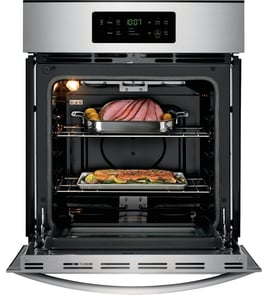


How do I find the right GE part number?
For your GE PT900SR1SS electric wall oven, the most reliable way to get the right GE part number is to match the model number (PT900SR1SS) to the parts diagram, then confirm the part name and any markings on the old part before ordering.
- Find the model tag and confirm it reads PT900SR1SS (match every letter and number).
- Use the exploded-view diagrams and parts list for PT900SR1SS to identify the exact part.
- Compare the old part to the listing: shape, terminals/connectors, mounting points, and finish.
- If the part is electrical (sensor, thermostat, lock), shut off power at the breaker before inspecting.
- Cross-check any numbers printed on the old part (those markings help confirm you have the right item).
These are examples of parts available for this model; always confirm by diagram location and description.
| What you are replacing | What to look for on the oven | Example part for PT900SR1SS |
|---|---|---|
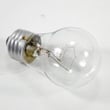
| Oven light bulb | Light out but oven heats normally | Oven lamp 40A15 |
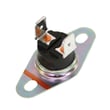
| Temperature sensing | Erratic temps, long preheat, overheating | Sensor assembly (match by diagram) |
| Door locking | Door will not unlock after clean cycle | Door lock assembly (match by diagram) |
GE often uses similar-looking parts across different wall ovens, but mounting brackets, wiring connectors, and temperature ratings can differ. Matching by model number + diagram position prevents ordering a part that does not fit or connect correctly.
- Use the parts breakdown and diagrams in the PT900SR1SS owner's manual to verify component names and locations.
- For built-in wall oven specifics (cutout and junction box placement), keep the PT900SR1SS installation guide handy; it helps you confirm you are working on the correct built-in configuration.
Last updated: February 2026
How long do GE Profile ovens last?
A GE Profile wall oven like model PT900SR1SS typically lasts 12 to 15 years. With steady maintenance (keeping vents clear, fixing small heating issues early, and using self-clean only when needed), many units reach the upper end of that range.
Most electric wall ovens land in the same general window, but these factors move the needle:
- Heat exposure over time (daily baking vs. occasional use)
- Self-clean frequency (high heat stresses wiring, sensors, and door lock parts)
- Cooling airflow (blocked vents can overheat controls)
- Power quality and wiring (loose connections can damage components)
- Prompt repairs (a weak sensor or element can strain other parts)
For model-specific care and operating guidance, follow the PT900SR1SS owner's manual.
When an oven starts heating unevenly, takes too long to preheat, or throws temperature-related errors, these parts are often involved:
| Symptom | Commonly involved part | Example part for PT900SR1SS |
|---|---|---|
| Slow preheat, uneven baking | Bake element, temperature sensor | Range bake element WB44T10105, sensor assembly WB21T10018 |
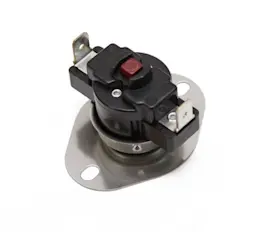
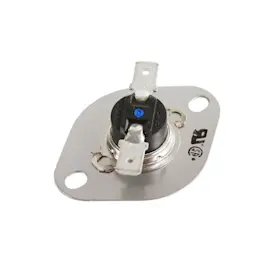
| Oven shuts down or overheats | Safety thermostat, limit switch | Wall oven safety thermostat (model-specific part varies), range oven temperature limit switch |
| Door won’t unlock after clean | Door lock system | Wall oven door lock assembly |
Knowing the typical 12 to 15-year lifespan helps us decide whether to repair or replace. If your PT900SR1SS is under about 10 years old, replacing a heating or sensing part is often the most cost-effective path; past 12 to 15 years, multiple failures can stack up.
- Keep the oven cavity clean using non-abrasive methods between deep cleans
- Avoid running self-clean back-to-back
- Confirm the door closes and seals evenly
- Address temperature swings early (often sensor or element related)
- Use the correct rack position and allow airflow around cookware
Last updated: February 2026
How to order GE appliance parts?
To order parts for your GE PT900SR1SS electric wall oven, use the complete model number and serial number to match the correct replacement part, then order by part number or part ID from the parts list for this model. If you need help confirming the right part, contact Sears PartsDirect support.
- Complete model number: PT900SR1SS
- Serial number (from the oven frame label)
- Part name (example: oven lamp, bake element, door lock)
- Part number and/or part ID (when available)
- A short symptom description (helps confirm the right part)
These are frequently replaced items on this model:
| What you need | Part anchor to use | When it’s typically needed |
|---|---|---|
| Oven light bulb | Oven lamp 40A15 | Light is out but oven heats normally |
| Bake heating element | Range bake element WB44T10105 | Oven will not bake or bakes unevenly |
| Temperature sensor | Sensor assembly WB21T10018 | Temperature is inaccurate or error symptoms persist |
- Match by model number first, then confirm the part number on the listing.
- If your oven has a symptom (no heat, overheating, door won’t unlock), confirm diagnostics in the PT900SR1SS owner’s manual before ordering.
- For installation-related items (junction box, strain relief clamp, wiring method), follow the PT900SR1SS installation guide so the electrical hookup matches code and the oven’s conduit setup.
- If multiple versions of a part appear, compare connector style, mounting points, and any markings on the original part.
Wall ovens like the GE PT900SR1SS are hard-wired into a junction box, and many parts are model-specific. Using the exact model and serial information helps ensure the replacement part fits correctly and performs safely.
Last updated: February 2026
What are the parts of an electric oven?
An electric wall oven like the GE PT900SR1SS is built around heating, temperature sensing, airflow, lighting, and safety components. The exact layout varies by model, but the core parts include bake and broil heating elements, an oven temperature sensor, racks, a cooling blower, and the oven light system (bulb, lens, and holder). See the PT900SR1SS owner's manual for your model’s component locations and features.
- Bake element: primary heat source for baking and roasting.
- Broil element: high, top-down heat for broiling and browning.
- Oven temperature sensor: tells the control how hot the oven is; helps prevent under or over-heating.
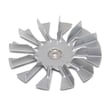
- Cooling blower fan: moves air to protect controls and cabinetry from heat.
- Oven racks and supports: hold cookware at different cooking levels.
- Oven light system: lets you see food without opening the door.
These are examples of parts that commonly wear out or get damaged during normal use:
| System | Example part (this model) | What you’ll notice when it fails |
|---|---|---|
| Oven light | Oven lamp 40A15 | Light does not turn on, bulb looks dark or broken |
| Temperature sensing | Sensor assembly (often called an oven sensor) | Inaccurate temps, long preheat, error codes on some models |
| Safety/overheat | Wall oven safety thermostat | Oven shuts off unexpectedly or trips protection |
| Airflow/cooling | Blower fan | Fan noisy, weak airflow, control area gets unusually hot |
Knowing the major components helps you troubleshoot faster. For example, a no-heat complaint often points to a heating element or temperature sensing issue, while a hot control panel area often points to a cooling airflow problem.
- Turn off power at the breaker before removing panels or touching wiring.
- Built-in wall ovens are hard-wired to a junction box (no plug); follow the installation guide for electrical and cabinet requirements.
- If you smell burning insulation or see damaged wiring, stop and have the unit checked.
Last updated: February 2026