Get free shipping on your order, with any water filter subscription. Find my filter

Open Hamburger Menu
Sears Parts Direct
Tips to find your model number
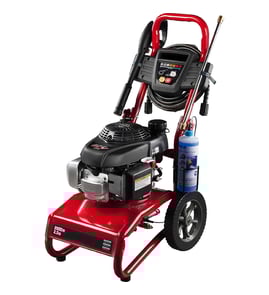
Briggs & Stratton 020206-0 pressure washer

Briggs & Stratton 020206-0 pressure washer Parts

Here are the diagrams and repair parts for Briggs & Stratton 020206-0 pressure washer, as well as links to manuals and error code tables, if available.

By Schematic
SELECT DIAGRAM
?

This is the number corresponding to the part on the diagram / schematic

Browse Parts for 020206-0 Pressure Washers

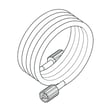
  • Briggs & Statton Pressure Washer Water Hose for Briggs & Stratton 020206-0 - Part 84006753

    Main unit diagram

    25'hose

    Part #B5693GS

    Replaced by #84006753

    Info Icon
    Manufacturer substitution
    This part replaces B5693GS. Substitute parts can look different from the original.
    In Stock
    $94.05
    6% OFF Phone Price : $100.05Info Icon
    Minus Item
    Qty
    Plus Item
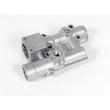
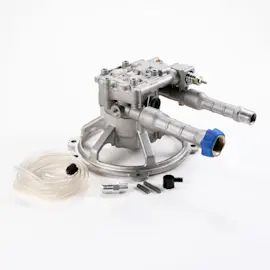
  • Snapper Pressure Washer Pump Manifold for Briggs & Stratton 020206-0 - Part 190627GS

    Pump diagram

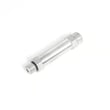
    Snapper Pressure Washer Pump Manifold

    In Stock
    $97.57
    11% OFF Phone Price : $109.57Info Icon
    Minus Item
    Qty
    Plus Item
  • Brush for Briggs & Stratton 020206-0 - Part 88185GS

    Main unit diagram

    Briggs & Stratton Brush

    Part #88185GS

    Replaced by #88185GS

    Info Icon
    Manufacturer substitution
    This part replaces 88185GS. Substitute parts can look different from the original.
    In Stock
    $105.88
    Minus Item
    Qty
    Plus Item
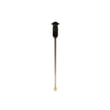
  • Pressure Washer Wand for Briggs & Stratton 020206-0 - Part 205015CGS

    Main unit diagram

    Hi/low Wand

    Part #194344DGS

    Replaced by #205015CGS

    Info Icon
    Manufacturer substitution
    This part replaces 194344DGS. Substitute parts can look different from the original.
    In Stock
    $101.80
    Minus Item
    Qty
    Plus Item
  • Craftsman Pressure Washer Outlet Tube Kit for Briggs & Stratton 020206-0 - Part 201497GS

    Pump diagram

    Pressure Washer Outlet Tube Kit

    Part #190634GS

    Replaced by #201497GS

    Info Icon
    Manufacturer substitution
    This part replaces 190634GS. Substitute parts can look different from the original.
    In Stock
    $42.58
    Minus Item
    Qty
    Plus Item
  • O-ring for Briggs & Stratton 020206-0 - Part 190584GS

    Pump diagram

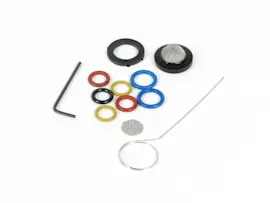
    O-ring

    Part #190584GS

    Replaced by #190584GS

    Info Icon
    Manufacturer substitution
    This part replaces 190584GS. Substitute parts can look different from the original.
    In Stock
    $60.09
    Minus Item
    Qty
    Plus Item
  • Nozzle for Briggs & Stratton 020206-0 - Part B1236DGS

    Main unit diagram

    Briggs & Stratton Nozzle

    Part #B1236DGS

    Replaced by #B1236DGS

    Info Icon
    Manufacturer substitution
    This part replaces B1236DGS. Substitute parts can look different from the original.
    In Stock
    $29.91
    Minus Item
    Qty
    Plus Item
  • Valve Seat for Briggs & Stratton 020206-0 - Part 190630GS

    Pump diagram

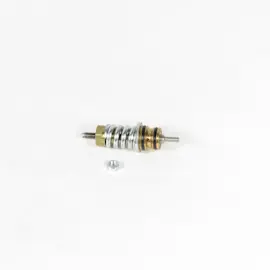
    Generac Pressure Washer Unloader Valve Seat

    Part #190630GS

    Replaced by #190630GS

    Info Icon
    Manufacturer substitution
    This part replaces 190630GS. Substitute parts can look different from the original.
    In Stock
    $9.11
    Minus Item
    Qty
    Plus Item
  • Assy for Briggs & Stratton 020206-0 - Part 194494GS

    Main unit diagram

    Briggs & Stratton Assembly

    Part #194494GS

    Replaced by #194494GS

    Info Icon
    Manufacturer substitution
    This part replaces 194494GS. Substitute parts can look different from the original.
    In Stock
    $236.27
    Minus Item
    Qty
    Plus Item
  • Kit,fastenng for Briggs & Stratton 020206-0 - Part 192525GS

    Main unit diagram

    Generac Fastening

    Part #192525GS

    Replaced by #192525GS

    Info Icon
    Manufacturer substitution
    This part replaces 192525GS. Substitute parts can look different from the original.
    In Stock
    $22.77
    Minus Item
    Qty
    Plus Item

Briggs & Stratton Pressure Washer 020206-0 FAQs

Yes. For the Briggs 020206-0 gas pressure washer, regular 87-octane unleaded gasoline is the correct everyday choice; premium is not required. The key is safe fueling and using fresh fuel so the engine starts easily and runs smoothly (see the fuel and safety notes in the owner's manual).

What to use (and what to avoid)

  • Use fresh, clean unleaded gasoline (87 octane).
  • Avoid old fuel that has been sitting for weeks or months.
  • Do not overfill the tank; leave room for fuel expansion.
  • Never fuel indoors; fill the tank outdoors only.
  • Keep fuel away from sparks, open flames, pilot lights, and other ignition sources.

Safe fueling steps for model 020206-0

  1. Turn the pressure washer OFF.
  2. Let it cool at least 2 minutes before removing the gas cap.
  3. Fill the fuel tank outdoors.
  4. Wipe up any spilled fuel before starting.

Quick guide: 87 vs premium

Fuel type Can you use it? Best practice
87 octane (regular) Yes Use fresh fuel; store properly
91 to 93 octane (premium) Yes No performance benefit for normal use
Stale/old gasoline No Drain and replace with fresh fuel

Why it matters

Using the right gasoline and following the cool-down and outdoor fueling steps reduces hard-starting, rough running, and fuel-related safety risks. It also helps protect the engine and keeps your pressure washer ready for reliable cleaning.

Last updated: February 2026

For the Briggs 020206-0 gas pressure washer, the rated outlet pressure is 2050 PSI. Gas-powered pressure washers in general commonly run from about 2,000 to 4,000+ PSI, depending on the pump and engine setup; always match PSI to the cleaning task.

Model-specific PSI for 020206-0

Our owner's manual lists these key performance specs:

Spec Value
Outlet pressure 2050 PSI
Flow rate 2.0 GPM
Water supply temperature limit Not to exceed 100°F

How to choose the right PSI for the job

Use PSI as your “scrubbing power” and GPM as your “rinsing power”. Higher PSI is not always better if it risks surface damage.

  • 1,500 to 2,000 PSI: patio furniture, grills, vehicles (use wider spray and more distance)
  • 2,000 to 3,000 PSI: decks, fences, siding (test a small area first)
  • 3,000+ PSI: concrete, heavy grime (use the correct nozzle and steady technique)

Tips to use PSI safely and effectively

The manual guidance for safe operation helps you get cleaning power without damage:

  • Keep the spray nozzle 8 to 24 inches from the surface
  • Start with a wider spray pattern and increase intensity gradually
  • Keep the unit on a stable, level surface to control kickback
  • Supply water at more than 3.0 GPM and at least 20 PSI at the washer end of the garden hose
  • Avoid running hot supply water (keep it under 100°F)

Why it matters

Using the correct PSI helps prevent etched concrete, damaged wood fibers, and forced water intrusion behind siding. It also reduces pump stress and overheating; this model uses an automatic cool-down system that cycles water when pump temperature rises.

Last updated: February 2026

To prime and start your Briggs pressure washer model 020206-0, connect the water supply first, squeeze the spray gun trigger to purge air, then press the primer bulb (cold engine) and start the engine. Priming helps the carburetor get fuel for an easier cold start; see the owner's manual.

Step-by-step priming and start-up (020206-0)

  • Connect a garden hose to the water inlet and turn the water on fully.
  • With the engine OFF, hold the spray gun and squeeze the trigger until you get a steady stream of water (this bleeds air from the pump and hose).
  • Confirm the spray gun has a working trigger lock/guard and do not secure the trigger open.
  • If the engine is cold, press the primer bulb firmly about 3 times.
  • Set the engine controls for starting (fuel valve ON if equipped; choke as needed for a cold start).
  • Pull the recoil starter to start the engine; once running, adjust choke toward RUN as the engine warms.

Quick checks if it will not prime or build pressure

  • Make sure the water supply is cool (under 100°F) and has strong flow.
  • Check the inlet hose for kinks and clean the inlet hose strainer.
  • Inspect for a clogged nozzle; a blocked nozzle can mimic a priming problem.
  • Look for high-pressure hose leaks or blockages.
  • If the spray pattern is weak or erratic, inspect the wand and nozzle connection points.

Parts that commonly affect flow and spray

Symptom What to inspect Example part on this model page
Low pressure or surging Nozzle or wand connection Briggs & stratton nozzle B1236DGS
Leaks at fittings Seals at connections O-ring 190584GS
Hose leaks or restriction High-pressure hose 25'hose 84006753

Why it matters

Priming and purging air protects the pump and helps the engine start cleanly. Running without adequate water flow or with air trapped in the system can cause poor performance and can overheat the pump.

Last updated: February 2026
Most common symptoms to help you fix your pressure washers

Choose a symptom to see related pressure washer repairs.

Main causes: overfilling engine with oil, improper fuel/air mixture, choke system problems, dirty carburetor, engine nee…

Main causes: using a high-pressure spray tip when applying detergent, clogged siphon tube, chemical injection system fai…

Main causes: dirty air filter, stale fuel, clogged or dirty carburetor, bad unloader valve…

Main causes: damaged recoil starter, oil inside cylinder, locked up engine piston…

Main causes: stale fuel, gummed up carburetor, engine needs tune up, throttle and choke controls need adjustment, bad re…

Main causes: pump running for more than 5 minutes when the spray wand isn't being used, faulty pressure relief valve, ba…

Things to do: tune up the engine, inject pump saver into the water pump when storing the pressure washer for the winter…

Main causes: insufficient water supply, clogged water inlet screen, clogged pressure hose, faulty pump check valves, stu…

Main causes: faulty unloader valve, bad pressure regulator…

Repair guides for gas pressure washers

These step-by-step repair guides will help you safely fix what’s broken on your pressure washer.

How to replace a pressure washer pump

How to replace a pressure washer pump

The pump can be damaged by air in the inlet water supply or by chemicals that remain in the pump body after using the ch…

Repair time and Difficulty

 15 minutes or less
How to install a pressure washer O-ring kit

How to install a pressure washer O-ring kit

O-rings seal fittings on the pressure washer pump. Damaged seals allow water to leak from the pump. Follow these steps t…

Repair time and Difficulty

 45 minutes or less
How to replace a pressure washer unloader valve

How to replace a pressure washer unloader valve

The unloader valve recirculates water to protect the pump from damage. If the unloader valve is defective, replace it us…

Repair time and Difficulty

 15 minutes or less

Effective articles & videos to help repair your pressure washers

Use the advice and tips in these articles and videos to get the most out of your pressure washer.

How to enjoy all the online benefits we offer on our Sears PartsDirect website

How to enjoy all the online benefits we offer on our Sears PartsDirect website

Learn about all the convenient features on our Sears PartsDirect website that make your parts purchases easier.…

Tapping into a new feature in the Search Bar on Sears PartsDirect

Tapping into a new feature in the Search Bar on Sears PartsDirect

Learn about a new feature added to the Search Bar on Sears PartsDirect…

Top questions about Sears and Sears PartsDirect

Top questions about Sears and Sears PartsDirect

Get answers to frequently asked questions about Sears and Sears PartsDirect.…

Parts & More

Bottom-Mount Refrigerator
Camping
Cooktop
Dishwasher
Downdraft Ventilation System
Dryer
Dvd Player
Front-Engine Lawn Tractor
Furnace
Gas Pressure Washer
Gas Range
Gas Snowblower
Gas Walk-Behind Mower
Laundry Center
Power Saw
Refrigerator
Speaker