Installation guide
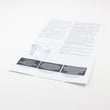
 Owner’s manual
 Error Codes


What is the life expectancy of a GE washing machine?
A GE washing machine typically lasts 10 to 14 years. For your GE GTWN4250D2WS top-load washer, consistent care (especially hose replacement, proper loading, and keeping the tub clean) helps you reach the high end of that range.
What most affects washer lifespan
- Usage frequency: multiple loads per day wears drive and suspension parts faster
- Overloading or unbalanced loads: increases stress on the basket, bearings, and suspension
- Water quality and detergent habits: excess suds and residue can cause odors and buildup
- Hose condition: aging fill hoses are a common source of leaks
- Moisture left trapped: promotes odor and grime that can shorten component life
Maintenance that extends life on GTWN4250D2WS
We recommend these habits because they reduce strain on the motor, tub, and seals:
- Replace water supply hoses about every 5 years
- Leave the lid open after cycles so moisture can evaporate
- Load items evenly around the outside of the basket; avoid laying large items across the agitator
- Wipe spills promptly and clean the basket with a soft cloth and mild detergent
- Turn off water faucets when the washer is not in use for long periods
For model-specific care steps and loading guidance, use the GTWN4250D2WS owner's manual.
Quick reference: what to expect over time
| Washer age | What’s common | What to do |
|---|---|---|
| 0 to 5 years | Minor adjustments, hose wear begins | Keep loads balanced; plan hose replacement |
| 6 to 10 years | More vibration, occasional leaks | Inspect hoses, tub seal area, and leveling |
| 11 to 14 years | Higher chance of drive, bearing, or control issues | Compare repair cost vs. remaining life |
Why it matters
Knowing the typical life expectancy helps you decide when preventive maintenance is worth it and when a major repair (motor, bearing, control board) may not be the best value.
Last updated: January 2026
What is the most common problem with GE washers?
The most common GE washer problem is a no-spin or no-agitate condition, often caused by a lid safety issue, a drive system problem, or a control reset need. On the GE GTWN4250D2WS, start with the lid closed, power reset, and basic fill and drain checks in the GTWN4250D2WS owner’s manual.
Quick checks we recommend first (fast, no parts)
- Confirm the washer is plugged into a working outlet and press START.
- Make sure both hot and cold faucets are fully open.
- Close the lid firmly; the washer will not agitate or spin with the lid open.
- Reset the electronics: unplug 2 minutes, plug back in, then start a cycle.
- If the washer fills and drains at the same time, verify the drain standpipe is above 30 inches.
- If you see lots of suds, switch to HE detergent and reduce the amount.
Most common symptom-to-cause map
| Symptom | Most likely cause | What to do next |
|---|---|---|
| Won’t spin or agitate | Lid safety not made, lid switch issue | Check lid closure; test/replace the washer lid switch assembly WH12X10334 |
| Fills then stops or acts “glitchy” | Control needs reset, control issue | Do the 2-minute unplug reset; if persistent, diagnose the GE washer electronic control board WH12X10614C |
| Fills and drains at same time | Drain hose/standpipe setup | Correct standpipe height and hose routing per the GTWN4250D2WS installation guide |
| Leaks or water level seems “low” | Oversudsing, normal HE water level behavior | Use less HE detergent; expect lower water coverage on HE designs |
Why it matters
No-spin and no-agitate complaints are common because the washer is designed to stop motion for safety (lid open) and to protect performance (oversudsing, improper drain setup). Fixing the basics first prevents unnecessary part replacement and repeat failures.
Last updated: January 2026
What is the difference between 4.5 cu ft and 5.0 cu ft washer?
A 5.0 cu ft washer gives you about 11% more drum volume than a 4.5 cu ft washer, so it handles bulkier loads with fewer cycles. Your GE GTWN4250D2WS is a different capacity class than both sizes; use this comparison mainly for shopping, then confirm fit and clearances in the GTWN4250D2WS installation guide.
What the extra 0.5 cu ft changes
- Fits more items per load, especially bulky bedding and thick towels.
- Reduces the number of loads you run each week.
- Improves item movement in the basket when you avoid overfilling.
- Can reduce tangling for large items because there is more room to circulate.
- May require more laundry-room space depending on the cabinet depth and lid clearance.
Quick comparison
| Item | 4.5 cu ft washer | 5.0 cu ft washer |
|---|---|---|
| Drum volume | Large | Extra-large |
| Capacity difference | Baseline | About 11% more |
| Best match | Regular family loads | Bulky bedding, larger households |
| Loads per week | More | Fewer |
How to decide (and how it relates to GTWN4250D2WS)
- If you regularly wash comforters, thick blankets, or large mixed loads, 5.0 cu ft is the better size.
- If you mostly wash everyday clothing loads, 4.5 cu ft is already a large capacity.
- For any washer, installation limits can be the deciding factor; the GTWN4250D2WS installation requirements include minimum clearances (0" sides, 2" front, 3" rear) and a minimum drain standpipe height of 30 inches.
- For best cleaning in a high-efficiency top-load design, load loosely and do not pack items down; the washer needs space for proper agitation and rinsing (see the GTWN4250D2WS owner’s manual).
Why it matters
Capacity affects how often you do laundry and how well items can move through wash and rinse. Fit matters just as much; clearances, drain height, and a firm floor help prevent vibration and installation problems.
Last updated: January 2026