



What is the lifespan of a GE dryer?
A GE electric dryer like model PTD60EBPR2DG typically lasts 10 to 13 years. With consistent vent cleaning, routine lint removal, and quick repairs when symptoms start, it’s common to reach the upper end of that range.
What affects dryer life the most
- Airflow and venting: restricted venting overheats the heater and thermostats
- Lint control: a clogged screen or duct trap makes the dryer run longer and hotter
- Load size: frequent overloading strains the drive motor, drum glides, and idler system
- Heat management: repeated overheating shortens the life of the heating element and sensors
- Timely part replacement: fixing wear items early prevents bigger failures
Maintenance that helps you hit 10 to 13 years
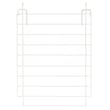
- Clean the lint screen every load; replace a damaged screen such as the GE dryer lint screen WE03X23881.
- Inspect and clean the exhaust duct regularly; keep the outside vent hood opening freely.
- Avoid overloading; heavy loads accelerate wear on drum supports.
- If dry times increase, address airflow first; use our dryer takes a long time to dry guide to pinpoint common causes.
- If the dryer overheats or shuts down, check for vent restriction and heat-control issues.
Common “wear parts” that can extend life when replaced early
| Symptom | Common wear area | Example part for PTD60EBPR2DG |
|---|---|---|
| Squealing, scraping, thumping | Drum support and slides | Dryer drum glide bearing WE03X37319 |
| Drum feels rough or noisy at the front | Upper bearing and slide assembly | Dryer drum bearing and slide assembly, upper WE03X23875 |
| No heat or weak heat | Heating circuit | Dryer heating element WE11M10001 |
Why it matters
A dryer that is forced to run longer (usually from lint buildup or vent restriction) uses more electricity and runs hotter. That extra heat is the fastest way to shorten the life of key components like the heating element, thermistors, and hi-limit thermostat.
You can order replacement parts for GE PTD60EBPR2DG from the parts list for this model, or search by model number on Sears PartsDirect.
Last updated: February 2026
What is the most common problem with a GE dryer?
The most common GE dryer problem is no heat or poor drying, usually caused by restricted airflow (lint buildup in the lint screen or vent) or a failed heating component. On the GE PTD60EBPR2DG electric dryer, the most common heat-related suspects are the heating element, thermistors, and high-limit thermostat.
Most common symptoms and what they usually mean
- Runs but no heat: failed heating element, open high-limit thermostat, or a temperature-sensing issue
- Takes too long to dry: clogged lint screen, blocked vent, crushed duct, or lint buildup in the duct trap
- Stops mid-cycle: overheating from poor airflow; safety temperature limits can interrupt heating
- Won’t start: door not latching, control issue, or motor-related problem
- Squealing or scraping noise: worn drum glides or drum bearing/slide components
Parts we often replace for these issues (PTD60EBPR2DG)
If airflow is good and the dryer still will not heat or dries poorly, these model-matched parts are common fixes:
- Dryer heating element WE11M10001
- Thermostat hi limit WE04X30381
- Dryer thermistor WE4M448
- Dryer heating element control thermistor WE4M398
- Duct trap WE16X33120
Quick checks before replacing parts
- Clean the lint screen every load and wash off any fabric softener film.
- Check vent airflow at the outside hood; weak airflow points to a vent restriction.
- Inspect the vent path for kinks, crushed flex duct, or long runs with many elbows.
- Run a timed dry test; if heat cycles off quickly, overheating from airflow restriction is likely.
Common problem vs. likely fix (at a glance)
| What you notice | Most likely cause | What to do first |
|---|---|---|
| No heat, drum turns | Heating circuit fault | Test/replace heating parts listed above |
| Long dry times | Vent restriction | Clean lint screen, duct, and venting |
| Hot cabinet, stops early | Overheating | Correct airflow restriction, then re-test |
| Squealing/grinding | Drum support wear | Inspect glides and bearing/slide parts |
Why it matters
Poor airflow is the root cause behind many GE dryer complaints because it extends dry time, overheats the heater housing, and can damage temperature-limiting parts. Fixing venting first prevents repeat failures and improves efficiency.
For more maintenance and efficiency tips, use our guide: how to keep a dryer clean and economical. You can also order PTD60EBPR2DG replacement parts from the parts list for this model, or search by model number on Sears PartsDirect.
Last updated: February 2026
Why does my GE dryer run but no heat?
If your GE PTD60EBPR2DG electric dryer tumbles but has no heat, the most common causes are a tripped 240V breaker (dryer can run on 120V but not heat), restricted airflow from lint buildup, or a failed heating circuit part such as the heating element, thermistor, or hi-limit thermostat.
Quick checks first (fastest fixes)
- Reset both sides of the dryer breaker (or replace blown fuses in the home panel).
- Confirm the dryer is on a proper 240V outlet and the cord is fully seated.
- Clean the lint screen and make sure it is not coated with fabric softener residue.
- Check the vent path for crushing, kinks, or heavy lint buildup.
- Run a timed dry cycle on high heat to rule out a sensor-cycle setting issue.
Parts that commonly stop heat on this model
On an electric dryer like the PTD60EBPR2DG, heat depends on the heating element and safety/temperature controls. If airflow is restricted, the dryer can overheat and open a safety thermostat, or it can damage the heater.
- Heating element: open coil means no heat (see dryer heating element WE11M10001)
- Hi-limit thermostat: can open if overheating occurs (see thermostat hi limit WE04X30381)
- Thermistor: bad temperature sensing can prevent heat or cause short cycling (see dryer thermistor WE4M448)
Symptom-to-cause guide
| What you notice | Most likely cause | What to do next |
|---|---|---|
| Runs normally, never warms | No 240V supply | Reset breaker; verify outlet power |
| Takes too long to dry, heat seems weak | Vent restriction | Clean venting; check outside hood |
| Heat starts then stops | Overheating or sensor issue | Check airflow; test thermostat/thermistor |
| No heat on any cycle | Heater circuit failure | Test heating element and controls |
Why it matters
A no-heat condition is often tied to airflow. Fixing venting and lint buildup helps restore drying performance and helps protect the heater assembly, thermostats, and wiring from overheating.
For step-by-step troubleshooting that matches GE dryer logic and fault behavior, use our DIY reference: electric dryer wont heat troubleshooting video. If you need replacement parts for PTD60EBPR2DG, order from the parts list for this model or search by model number on Sears PartsDirect.
Last updated: February 2026
Are GE profile dryers good?
Yes. GE Profile electric dryers like GE model PTD60EBPR2DG are a solid choice for everyday laundry because they deliver consistent heat and airflow with sensor-based cycles; the main tradeoffs are that performance depends heavily on venting and they can get noisier as drum support parts wear.
What “good” means for PTD60EBPR2DG
We judge an electric dryer on the things that affect real results and operating cost:
- Consistent drying across mixed loads
- Sensor dry accuracy (less overdrying and shrinkage)
- Reasonable noise and vibration
- Easy lint handling and routine maintenance
- Reliable heating and temperature sensing
Pros and tradeoffs (quick view)
| Area | Typically strong | Watch for |
|---|---|---|
| Drying performance | Steady heat with good airflow | Poor venting causes long dry times |
| Efficiency | Sensor cycles reduce wasted energy | Overloading defeats sensor accuracy |
| Ownership | Common wear parts are replaceable | Squeaks, thumps as glides or idler wear |
If yours is noisy or drying slowly
These checks fix most complaints on electric dryers in this class:
- Clean the lint screen every load; replace a torn or warped screen like the GE dryer lint screen WE03X23881.
- Confirm the vent duct is short, not crushed, and clear to the outside hood.
- Reduce load size; heavy items can cause thumping and uneven drying.
- If you hear squealing or scraping, inspect drum support parts such as the dryer drum glide bearing WE03X37319 and the idler system.
- If the dryer tumbles but won’t heat, the heater circuit is a common suspect; check the dryer heating element WE11M10001 and related thermostats.
Why it matters
A “good” dryer still needs good airflow. Restricted venting and worn drum supports increase dry time, energy use, and noise, even when the controls and sensor cycles are working correctly.
You can order PTD60EBPR2DG replacement parts from the parts list for this model, or search by model number on Sears PartsDirect.
Last updated: February 2026