


Do downdraft vents need to be vented outside?
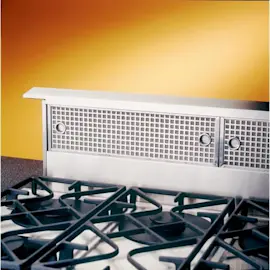
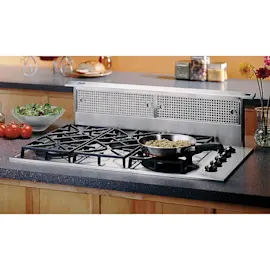
Downdraft vent systems like GE model PVB94ST6SS do not always have to vent outside; they can be installed as ducted (exhausts outdoors) or ductless (recirculates through filters) depending on the setup and kit used. For best smoke and odor removal, ducting outdoors performs better.
Ducted vs. ductless: what’s the difference?
- Ducted (vented outside): Pulls cooking air down and sends it through ductwork to an exterior wall or roof cap.
- Ductless (recirculating): Pulls air down, filters it, then returns it to the kitchen.
- Ducted systems remove heat and moisture better than recirculating setups.
- Ductless setups are common when exterior ducting is not practical.
| Setup | Where the air goes | Best for | Tradeoffs |
|---|---|---|---|
| Ducted | Outdoors | Heavy cooking, strong odors | Requires duct routing and exterior termination |
| Ductless | Back into kitchen | Limited duct options | Filters need regular replacement; less effective on moisture |
What we recommend for most kitchens
- Choose ducted-to-outside when you can run ductwork with minimal bends.
- Keep duct runs as short and straight as possible to maintain airflow.
- Seal duct joints properly to prevent leaks.
- Confirm the vent can rise and lower smoothly after installation; worn slide components can cause binding.
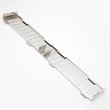
- If the vent is slow, noisy, or sticks, inspect the lift and slide mechanism parts such as the glide kit WB63X24434 and slide plate WB07X11377.
Why it matters
Venting outside removes smoke, grease, heat, and moisture from the home. Recirculating setups mainly reduce odors and some grease, so you may still notice lingering humidity and cooking byproducts.
Last updated: January 2026
What are the pros and cons of downdraft extractors?
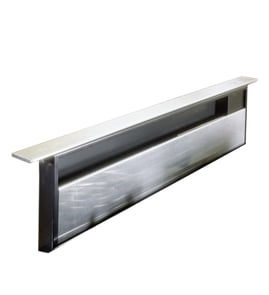
Downdraft extractors (like the GE PVB94ST6SS downdraft vent system) save overhead space and keep sightlines open, but they usually capture smoke and steam less effectively than a traditional hood, especially from tall pots and high-heat cooking. They also add installation and service complexity.
Pros of a downdraft extractor
- Space-saving ventilation: no canopy hood over the cooktop, which helps with open kitchens and island layouts.
- Cleaner look: the vent is hidden when not in use, so the kitchen can look less “appliance-heavy.”
- Flexible layout options: useful when cabinets, windows, or design choices limit overhead venting.
- Good for light-to-moderate cooking: works well for everyday simmering, sautéing, and low-smoke cooking.
Cons (and what to plan for)
- Lower capture performance: smoke rises; downdrafts must pull it down, so they can struggle with searing, wok cooking, and heavy steam.
- Tall cookware challenges: large stockpots can block airflow, reducing odor and moisture removal.
- More complex mechanics: pop-up lift mechanisms, glides, and linkages can wear and need adjustment.
- Harder installation: duct routing under the counter can reduce cabinet space and may require longer duct runs.
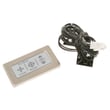
- More service points: electrical controls, wiring, and moving parts add troubleshooting steps.
Quick comparison: downdraft vs. overhead hood
| Feature | Downdraft extractor | Overhead range hood |
|---|---|---|
| Best for | Open sightlines, islands | Strong smoke capture |
| Smoke/steam capture | Moderate | High |
| Install complexity | Higher (under-counter ducting) | Moderate (overhead ducting) |
| Common wear items | Lift/glide parts, switches | Fan, filters, lights |
Why it matters
Choosing a downdraft is often a design decision first. If you frequently cook with high heat or generate lots of smoke, an overhead hood typically performs better. If your priority is a clean look and you cook mostly light-to-moderate meals, a downdraft can be a practical fit.
Parts that commonly relate to performance issues
If your downdraft is noisy, slow to rise, or not moving air well, these model-specific parts are often involved:
- Cooking appliance fan blade WB26X10130 (air movement and noise)
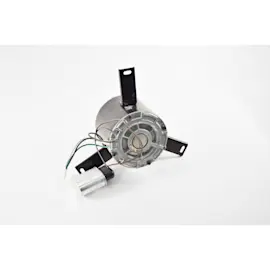
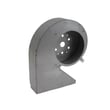
- Downdraft vent blower housing WB26X10129 (airflow path and vibration)
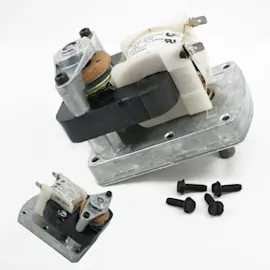
- Downdraft vent gear motor WB26X21615 (lift/drive function)
- Glide kit WB63X24434 (smooth raising and lowering)
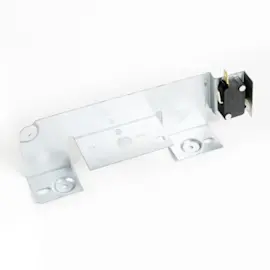
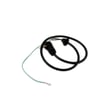
- Downdraft vent wire harness WB18X21197 (power and control connections)
Last updated: January 2026
Are downdraft cooktops worth it?
Downdraft ventilation can be worth it when you need a clean, open kitchen design and you cook at light-to-moderate levels; for a GE downdraft vent system like model PVB94ST6SS, it is a practical space-saving option, but it typically captures smoke and steam less effectively than a properly sized overhead range hood.
When downdraft ventilation is a good choice
- You have an island or a layout where an overhead hood is impractical.
- You want a low-profile look with ventilation that rises when needed.
- You mostly do everyday cooking (sautéing, simmering, light pan-frying).
- You prioritize keeping sightlines open in the kitchen.
When it is not the best fit
- You do frequent high-heat cooking (wok cooking, heavy searing, lots of smoke).
- You need maximum capture for grease and steam.
- Your duct run is long with multiple elbows (airflow drops quickly in real installs).
Quick comparison: downdraft vs overhead hood
| Feature | Downdraft vent (like PVB94ST6SS) | Overhead range hood |
|---|---|---|
| Smoke capture | Moderate (pulls sideways/down) | Strong (captures rising plume) |
| Design impact | Minimal visual impact | More visible |
| Best use case | Islands, open layouts | Most kitchens, heavy cooking |
| Noise | Often moderate to higher at high speed | Varies widely by model and ducting |
What to check before you decide
- Ducting path: shorter and straighter improves performance.
- Cooking style: more smoke and grease needs stronger capture.
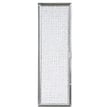
- Maintenance: plan to clean filters and the intake area regularly.
- Repairability: moving lift mechanisms and switches can wear over time.
Common parts that affect performance on PVB94ST6SS
If your current downdraft is weak, noisy, or not lifting smoothly, these model-matched parts are often involved:
- Cooking appliance fan blade WB26X10130 (damaged or greasy blades reduce airflow)
- Downdraft vent blower housing WB26X10129 (cracks, obstructions, or buildup restrict flow)
- Downdraft vent gear motor WB26X21615 (lift issues, stalling, or intermittent movement)
Why it matters
Ventilation is about capture, not just airflow. Downdrafts can work well for typical home cooking and design constraints, but an overhead hood usually wins for consistently pulling smoke, heat, and grease away from the cooktop.
Last updated: January 2026