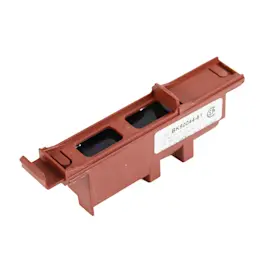
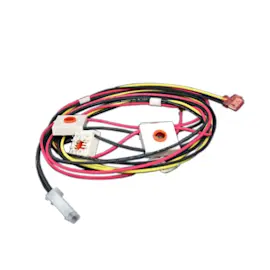
Installation guide
 Owner’s manual
 Error Codes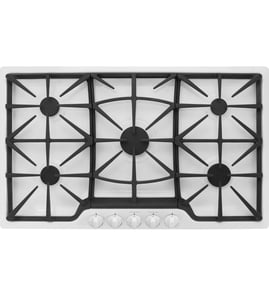







What is the difference between a gas range and a gas cooktop?
A gas range is a single appliance that combines a cooktop and an oven in one unit. A GE gas cooktop like model JGP970SEK2SS is a built-in, countertop cooking surface only; you pair it with a separate wall oven (or no oven at all).
Quick comparison
| Feature | Gas range | Gas cooktop (like GE JGP970SEK2SS) |
|---|---|---|
| Includes an oven | Yes | No |
| Installation | Freestanding or slide-in | Built-in to a countertop cutout |
| Best for | One-piece replacement | Custom kitchen layouts and separate ovens |
| Service access | Often from front/back | Often from below the countertop |
How to choose the right one
- Choose a gas range if you want a single appliance that replaces both cooking surface and oven.
- Choose a gas cooktop if you want a built-in look, flexible cabinet design, or a separate wall oven at a different height.
- If you are remodeling, a cooktop can make it easier to place the oven elsewhere for accessibility.
- If you are replacing an existing unit, match what your kitchen is already built for (range opening vs countertop cutout).
Installation and gas supply considerations (cooktops)
For a built-in cooktop like JGP970SEK2SS, installation focuses on countertop fit, required clearances, and a proper gas connection. The installation instructions also specify that the cooktop ships set for natural gas and uses a convertible pressure regulator that must remain in the gas line.
- Verify the countertop cutout and clearances before securing the cooktop.
- Use a new flexible gas connector during installation.
- Confirm your gas type (natural gas vs LP/Propane); LP conversion should be done by a qualified installer.
Reference: JGP970SEK2SS installation guide
Why it matters
Ranges and cooktops are not interchangeable without cabinet and gas line changes. Picking the right type helps avoid fit issues, ventilation problems, and extra installation cost.
Last updated: February 2026
What are the disadvantages of a gas range?
Gas cooking (including the GE JGP970SEK2SS gas cooktop) comes with a few clear downsides: you must manage an open flame and a live gas supply, and you need proper ventilation and correct gas pressure settings for safe, consistent burner performance. See the JGP970SEK2SS owner's manual for safety and ventilation guidance.
Main disadvantages to plan for
- Gas leak risk: Any loose fitting, damaged connector, or improper installation can allow gas to leak.
- Open-flame safety: Higher burn and fire risk than electric or induction, especially around children and loose clothing.
- Indoor air quality concerns: Incomplete combustion can increase byproducts; ventilation (hood or open window) helps reduce exposure.
- More cleaning around burners: Burner caps, heads, and bases can clog with spills and grease, affecting ignition and flame quality.
- Installation complexity: Requires a shut-off valve, correct supply line sizing, and leak testing after connection.
What matters most for this cooktop (JGP970SEK2SS)
The installation instructions emphasize gas-supply setup and leak-checking practices that directly relate to the biggest “disadvantages” of gas:
- Install an accessible manual shut-off valve and know how to turn gas off.
- Use new flexible connectors during installation (reusing old connectors increases leak risk).
- Check for leaks with a manometer or liquid leak detector; never use an open flame.
- Ensure the cooktop is supplied with the correct gas pressure (natural gas settings and regulator requirements are specified).
Quick comparison: gas vs. electric vs. induction
| Feature | Gas | Electric radiant | Induction |
|---|---|---|---|
| Safety at the heat source | Open flame | Hot surface | No flame; pan-heated |
| Ventilation need | Higher | Moderate | Lower |
| Cleaning | More parts/crevices | Flat top | Flat top |
| Install requirements | Gas line + regulator | Electrical | Electrical (often higher power) |
Why it matters
Most gas-cooking drawbacks are manageable when the cooktop is installed correctly, leak-tested, and vented well. When burners are properly adjusted, you get steadier flames and fewer combustion byproducts, plus more reliable ignition.
Last updated: February 2026
Is GE Profile considered high-end?
Yes. GE Profile is generally considered GE’s higher-end line; it typically adds more premium design, upgraded features, and performance-focused options than standard GE models. For your GE gas cooktop model JGP970SEK2SS, the exact feature set is best confirmed in the JGP970SEK2SS owner's manual.
How GE Profile compares to standard GE
In most kitchens, GE Profile sits above standard GE in finish options and feature packages.
| Line | Typical positioning | What you usually get |
|---|---|---|
| GE | Core lineup | Essential cooking features and straightforward controls |
| GE Profile | Premium within GE | More advanced burner features, upgraded styling, and convenience features |
What to check on your JGP970SEK2SS cooktop
We recommend using your model’s documentation and a quick visual inspection to confirm which “premium” features your cooktop includes.
- Burner configuration and any high-output burner (often marketed for faster boiling)
- Sealed gas burner design and how the burner caps and heads are constructed
- Control features such as control lock (if equipped)
- Grate style and stability (rubber feet condition can affect feel and noise)
- Cleaning requirements for burner heads, caps, and electrodes
Why it matters
“High-end” is most useful when you are comparing real-world benefits: heat output, simmer control, ease of cleaning, and long-term parts support. If you are troubleshooting performance (weak flame, uneven heating, hard ignition), premium features will not help if wear items like burner caps, burner heads, or the gas regulator are not in good condition.
Parts that commonly affect performance (if symptoms show up)
If you are seeing ignition clicking, uneven flames, or burners that will not light consistently, these model-matched parts are common suspects:
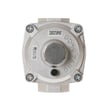
- Cooktop pressure regulator WB19T10078 (gas pressure stability)
- Range surface burner head WB16T10037 (flame pattern and ignition path)
- Range surface burner cap WB13T10063 (proper seating and flame distribution)
Last updated: February 2026
What is JGP970SEK2SS?
JGP970SEK2SS is a GE gas cooktop model number. It identifies the exact cooktop design so we can match the correct burner parts, grates, knobs, and gas components, and so you can follow the right safety and installation requirements in the JGP970SEK2SS installation guide.
What this model number tells you
When you use model number JGP970SEK2SS, we can narrow parts and instructions to the correct GE cooktop platform.
- It is a GE gas cooktop (not a microwave or range).
- It uses sealed gas burners with specific burner head and cap fitment.
- Burner heads and burner caps are not interchangeable; each must match its burner base.
- Grates (on some versions) are designed for specific positions and should not be swapped.
- Gas conversion and orifice placement must follow the model-specific instructions.
Common parts customers replace on JGP970SEK2SS
If you are repairing ignition, uneven flames, or worn controls, these model-matched parts are commonly involved:
| Symptom | Often related part | Example part for this model |
|---|---|---|
| Burner won’t light or lights unevenly | Burner head/cap not seated, dirty ports | Range surface burner head WB16T10037, range surface burner cap WB13T10063 |
| Knob cracked or won’t turn smoothly | Worn knob | Cooktop burner knob WB03T10268 |
| Suspected gas pressure issue | Regulator problem (diagnosis required) | Cooktop pressure regulator WB19T10078 |
Why it matters
Using the exact model number prevents ordering the wrong GE cooktop parts and helps you reinstall burner heads, caps, and grates correctly. Proper seating and correct part placement directly affect ignition reliability, flame pattern, and safe operation.
Last updated: February 2026