


Where to find part number on GE dryer?
On a GE dryer like model GTX22GASK1WW, the model and serial tag is usually on the inside of the dryer door opening (door frame) or on the inside of the door. Once you find that tag, you can match the correct replacement parts for your exact dryer.
What to look for on the ID tag
The tag typically includes several identifiers; these are the ones that matter most when ordering parts:
- Model number (example: GTX22GASK1WW)
- Serial number (helps confirm production run)
- Electrical rating (volts/amps; useful for diagnosing power issues)
- Gas information (on gas models; useful for burner and valve parts)
Common GE dryer tag locations (quick checklist)
Check these spots in order:
- Inside the door opening on the front panel/door frame
- On the inside edge of the door
- Behind the lower front access panel (if your unit has one)
- On the rear panel near where the power cord or vent connects
How to use the number you find
Use the model number to pull the correct diagrams and parts list; then confirm the exact part by name and ID.
| You have this | Use it for | Example from this model page |
|---|---|---|
| Model number | Choosing the correct parts breakdown | GTX22GASK1WW |
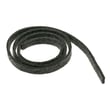
| Part name + part ID | Ordering the exact replacement | GE dryer drum belt WE03X29897 |
| Serial number | Verifying version changes | Keep for reference |
Why it matters
GE often uses similar-looking parts across multiple dryer models. Using the exact model number from the tag prevents ordering a belt, door switch, timer, or thermostat that does not fit your GTX22GASK1WW.
Last updated: February 2026
What is the most common problem with a GE electric dryer?
For a GE dryer like model GTX22GASK1WW, the most common problems are no heat/long dry times (usually airflow restriction or a failed safety thermostat) and the drum not tumbling (most often a worn or broken belt). These issues are also the most common reasons a dryer “runs but doesn’t dry.”
Most common symptoms and what they usually mean
- Runs but no heat: restricted venting, failed high-limit thermostat, or other heat circuit issue
- Takes too long to dry: clogged lint screen, crushed/long vent run, blocked exterior hood
- Drum won’t spin but motor runs/hums: broken belt or seized drum support parts
- Squealing or scraping: worn drum glides, felt seal, idler pulley, or drum bearing
- Won’t start: door switch, start switch, timer, or power supply problem
Quick checks we recommend first (fast, no parts)
- Clean the lint screen and confirm strong airflow at the outside vent hood.
- Inspect the vent path for kinks, lint buildup, or a stuck damper.
- Avoid overloading; heavy loads can strain the belt and drum supports.
- If the dryer overheats or shuts down, stop using it until airflow is corrected.
- If the drum does not turn by hand (with power off), check for a jammed drum or failed bearing support.
Common parts tied to the “most common” failures
If your symptom matches, these are the model-relevant parts we see replaced most often:
| Symptom | Likely area | Example part for GTX22GASK1WW |
|---|---|---|
| Drum not tumbling | Drive system | GE dryer drum belt WE03X29897 |
| Runs but overheats/no heat | Safety temperature limit | Dryer high-limit thermostat WE04X26138 |
| Won’t start when door closes | Door interlock | Dryer door switch WE04X28977 |
| Loud squeal/scrape | Drum support/friction | Dryer drum glide bearing, upper WE03X37320 |
Why it matters
Airflow problems can cause poor drying and overheating, which can trip safety components and shorten the life of parts like thermostats, belts, and drum supports. Fixing venting and lint buildup first often prevents repeat failures.
Helpful DIY references
Last updated: February 2026
What's the life expectancy of a GE dryer?
A GE dryer like model GTX22GASK1WW typically lasts about 10 years with normal household use. Consistent airflow (clean lint screen and venting) and keeping the drum support parts in good shape are the biggest factors that help you reach or beat that lifespan.
What affects dryer lifespan the most
- Vent restriction (long dry times, overheating, extra wear)
- Lint buildup in the lint screen housing and blower area
- Worn drum support parts (belt, idler, glides, felt seal)
- Overloading (stresses the drive system and drum supports)
- Heat stress from poor airflow (can shorten thermostat and ignition component life)
Quick maintenance checklist (best ROI)
- Clean the lint screen every load; replace a damaged screen with GE dryer lint screen WE03X23881.
- Check and clean the full vent path (dryer outlet to exterior hood) regularly.
- If you hear squealing, thumping, or scraping, inspect common wear parts:
- GE dryer drum belt WE03X29897
- Dryer idler pulley WE03X31620
- Dryer drum felt seal WE09X27634
- If the dryer overheats or shuts down, address airflow first; then consider heat-limit protection such as dryer high-limit thermostat WE04X26138.
Symptom-to-cause guide
| What you notice | Most common cause | What to check first |
|---|---|---|
| Long dry times | Restricted venting or lint blockage | Lint screen, vent hose, outside hood |
| Squealing noise | Idler pulley or belt wear | Belt and idler condition |
| Thumping/bumping | Flat spots or drum support wear | Drum supports and seals |
| Overheating | Poor airflow | Venting and lint buildup |
Why it matters
A dryer usually fails early from heat and friction. Good airflow keeps temperatures stable, and replacing inexpensive wear parts (belt, idler, seals) prevents bigger repairs like motor or drum damage.
Last updated: February 2026
How to replace GE dryer sensor?
On the GE GTX22GASK1WW dryer, “sensor” can mean a moisture sensor (auto-dry), a thermostat/thermal limiter, or a door switch. We replace it by unplugging power, opening the cabinet to access the exact component, swapping the wiring one connector at a time, then running a short test cycle to confirm normal operation.
Identify which “sensor” you mean
Most “sensor” requests fall into one of these categories:
- Door switch: dryer stops when door opens; won’t run if switch is bad (common “won’t start” symptom). Consider dryer door switch WE04X28977.
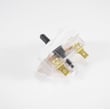
- High-limit thermostat: overheating, shuts off heat, or cycles oddly. Consider dryer high-limit thermostat WE04X26138.
- Moisture sensor bars (inside drum on many models): auto cycles end too soon or run too long (often cleaning fixes it).
Replacement steps (works for most GE dryer sensors)
- Disconnect power: unplug the dryer (and shut off gas if your unit is gas).
- Access the part: remove the control panel or front panel as needed.
- Label wires: take a photo; move one wire at a time to the new part.
- Remove mounting screws/clips and take out the old sensor/switch.
- Install the new part and reassemble panels.
- Test: run a timed dry cycle for 5 to 10 minutes; confirm heat (if applicable) and drum operation.
Quick symptom-to-part guide
| Symptom | Most likely “sensor” area | What to check first |
|---|---|---|
| Won’t start, light works | Door circuit | Door latch engagement; dryer door switch WE04X28977 wiring/actuation |
| Runs but no heat or overheats | Safety temperature control | Venting and lint buildup; dryer high-limit thermostat WE04X26138 |
| Auto-dry inconsistent | Moisture sensing | Clean sensor bars with rubbing alcohol; check drum glides/felt for drag |
Why it matters
A misdiagnosed “sensor” can lead to repeat failures. For example, restricted venting can trip a high-limit thermostat, and a weak door switch can mimic a bad start circuit.
Related DIY help
For starting and heating symptoms that often get blamed on “sensors,” use gas dryer wont start troubleshooting video or gas dryer wont heat troubleshooting video.
Last updated: February 2026