Installation guide
 Owner’s manual



What is the life expectancy of a Maytag washing machine?
A Maytag washing machine like model MVWC360AW0 typically lasts 10 to 13 years with normal household use. Consistent care (proper installation, correct loading, and routine cleaning) helps you reach the high end of that range and reduces wear on key drive and drain components.
What affects lifespan the most
- Overloading the basket increases strain on the drive system and suspension.
- Unlevel installation increases vibration and can shorten component life.
- Hard water and detergent buildup can cause odors and performance issues.
- Ignoring small leaks can lead to corrosion and electrical problems.
- Running frequent heavy cycles (bulky, bedding) accelerates wear.
For installation basics that reduce vibration and “washer walk,” follow the spacing, leveling, and hose connection steps in the MVWC360AW0 installation instructions.
Maintenance habits that help MVWC360AW0 last longer
- Keep the washer level and recheck if it starts vibrating.
- Use the right amount of detergent; too much can leave residue.
- Leave the lid open between loads to help the tub dry out.
- Inspect fill hoses for bulges or leaks and replace on schedule.
- Run a periodic cleaning cycle (or an empty hot cycle) to reduce buildup.
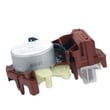
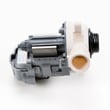
If your washer is not draining well, addressing it early can prevent motor strain; a common wear item is the washer drain pump assembly WPW10276397.
Quick guide: “Normal aging” vs “needs attention”
| What you notice | Often normal with age | Often needs service/parts |
|---|---|---|
| Noise | Slightly louder operation | Grinding, repeated banging, squealing |
| Spin | Longer time to balance | Won’t spin, stops mid-cycle |
| Water | Minor soap residue | Leaks, won’t drain, overfills |
Why it matters
A washer that is level, drains correctly, and stays free of buildup runs with less stress on the gear case, belt, lid lock, and pump. That usually means fewer breakdowns and a longer usable life.
Last updated: January 2026
What is the most common problem with a Maytag washer?
For the Maytag MVWC360AW0 washer, the most common service issues we see are no drain or no spin symptoms, which leave clothes wet at the end of the cycle. These problems are often tied to a drain restriction, a failing lid lock, or a worn drive system; use the MVWC360AW0 installation guide to confirm the washer is installed and leveled correctly before troubleshooting.
Quick checks first (no parts needed)
- Make sure the load is not overloaded or heavily unbalanced; redistribute and retry a Spin/Drain.
- Verify the drain hose is not shoved too far down the standpipe (this can cause siphoning or poor draining).
- Confirm hot and cold water supply valves are fully open; low fill can affect agitation and spin.
- Check for excessive suds (too much detergent can prevent proper spinning).
- Unplug the washer for 2 minutes, then restore power and try a cycle again.
When it usually becomes a parts issue on MVWC360AW0
If the washer still will not drain or spin after the basic checks, these model-compatible parts are common suspects:
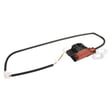
- Washer lid lock assembly W10404050 (washer will not spin if the lid does not lock)
- Washer drain pump assembly WPW10276397 (pump hums but does not move water, or drains very slowly)
- Washer drive belt WPW10006384 (motor runs but basket does not spin well)
- Washer gear case W11454372 (grinding noise, poor agitation/spin, oil leak symptoms)
Symptom-to-likely-cause guide
| What you notice | What it often points to | What to do next |
|---|---|---|
| Won’t spin, lid lock light issues | Lid lock not engaging | Inspect strike and lock; replace lock if intermittent |
| Won’t drain, standing water | Drain pump or blockage | Check hoses for clogs; inspect pump for debris |
| Loud banging during spin | Unbalanced load or suspension wear | Re-level washer; inspect suspension components |
| Burning rubber smell | Belt slipping | Inspect belt and pulley area |
Why it matters
On a top-load washer like the MVWC360AW0, spin and drain problems can cascade: poor draining can stop the control from advancing, and repeated off-balance spinning can accelerate wear on suspension and drive components.
Last updated: January 2026
How do I reset the lid lock on a Maytag washer?
On the Maytag MVWC360AW0 washer, we reset a lid lock issue by doing a power reset first (unplug for 5 minutes), then clearing any stuck drain condition, and finally checking the lid strike and lock for damage. Use the MVWC360AW0 installation guide for electrical safety basics before servicing.
Step-by-step: reset and unlock the lid
- Press Pause/Cancel once to stop the cycle, then wait 1 to 2 minutes for the lock to release.
- Unplug the washer (or turn off the breaker) for 5 minutes, then restore power.
- If the tub is full of water, run Drain/Spin; a washer may keep the lid locked until it senses water has drained.
- Open and close the lid firmly; make sure the lid is fully seated.
- If the lid still will not unlock, inspect the strike and lock for cracks, looseness, or a broken latch.
Parts to check on MVWC360AW0 (common causes)
If the reset does not help, the problem is often mechanical (strike not engaging) or electrical (lock not sensing closed).
- Washer door strike WPW10240513 (the plastic/metal tab on the lid that enters the lock)
- Washer lid lock assembly W10404050 (the lock mechanism that senses and secures the lid)
- Wiring connections at the lid lock (loose plug or damaged harness)
- Drain system issues that prevent draining (pump or hose restriction)
Quick diagnosis guide
| Symptom | What it usually means | What we check first |
|---|---|---|
| Lid locked light on, tub full | Not draining | Drain/Spin, pump/hose |
| Lid closes but won’t “click” | Strike not engaging | Door strike alignment |
| Intermittent locking/unlocking | Loose connection or failing lock | Lid lock connector |
| Won’t start and lid won’t lock | Lock not sensing closed | Lid lock assembly |
Why it matters
The lid lock is a safety system; if the control does not see the lid locked (or sees water still in the tub), it can stop mid-cycle, refuse to spin, or keep the lid locked to prevent spills and injury.
Last updated: January 2026