Installation guide
 Owner’s manual


What is the capacity of the Maytag mvwx500xw0?
The Maytag MVWX500XW0 top-load washer has a 3.6 cu. ft. capacity. This capacity helps you size loads correctly so the washer can agitate, drain, and spin efficiently without leaving clothes overly wet.
How to use capacity the right way
Even with a 3.6 cu. ft. tub, performance depends on how the load is packed and the cycle selected.
- Load items loosely; don’t pack or compress laundry
- Keep the load balanced (mix small and large items)
- Use HE (High Efficiency) detergent only; too many suds can slow draining and spinning
- If loads come out wet, run Rinse & Spin without adding detergent
- If you hear excess vibration, reduce load size and rebalance
Quick sizing guide (practical examples)
These examples help match load size to a 3.6 cu. ft. top-load washer like MVWX500XW0.
| Load type | Typical items | Fill level (loose) |
|---|---|---|
| Small | a few shirts, underwear, light towels | about 1/3 full |
| Medium | mixed everyday laundry | about 1/2 full |
| Large | towels/jeans mix | about 2/3 full |
| Bulky | comforter or bedding set | varies; avoid packing |
Why it matters
When the tub is overloaded, the washplate can’t move items freely and the washer may struggle to drain and reach full spin speed. That often shows up as poor cleaning, out-of-balance shaking, or clothes that are still wet at the end of the cycle.
Where to confirm model-specific details
For cycle guidance and loading recommendations specific to MVWX500XW0, use the MVWX500XW0 owner's manual.
Last updated: February 2026
What is the most common problem with a Maytag washer?
The most common Maytag washer problems (including the Maytag MVWX500XW0) are drain and spin complaints: the washer will not drain fully, will not spin out water, or leaves loads wet. Installation issues, oversudsing from non-HE detergent, and drain restrictions are frequent root causes; worn drive parts can also contribute (belt, actuator, lid lock). See the owner's manual troubleshooting section for the exact checks and cycle guidance.
Most common symptoms we see
- Loads come out still wet after the cycle
- Washer won’t spin or spins weakly
- Washer won’t drain or drains slowly
- Gurgling/humming during drain (often normal drain noise, but can indicate a restriction)
- Clicking/metallic noises (often leveling, load balance, or an object in the drain path)
Quick checks that fix many drain/spin issues
These steps match the MVWX500XW0 troubleshooting guidance and common top-load washer behavior.
- Use HE (High Efficiency) detergent only and measure carefully; too many suds can slow or stop draining and spinning
- Redistribute the load; load dry items loosely and evenly around the basket wall (overloading and unbalance reduce spin)
- Confirm the drain hose setup: secure it properly and do not tape over the drain opening
- Make sure the drain hose is not kinked and the standpipe height is reasonable (a hose end set too high can cause poor draining)
- Level the washer so all feet are firmly on the floor; an unlevel cabinet can trigger out-of-balance behavior
When it’s likely a part problem (common on this platform)
If the hose and detergent checks are good and the washer still will not drain or spin, these parts are frequent suspects on the MVWX500XW0:
| Symptom | Common cause | Example part for MVWX500XW0 |
|---|---|---|
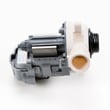
| Won’t drain, humming, water left in tub | Drain pump issue or obstruction | Washer drain pump assembly WPW10276397 |
| Won’t spin, stops mid-cycle, lid-related behavior | Lid lock not engaging | Washer lid lock assembly W10404050 |
| Agitates but won’t shift into spin (or vice versa) | Shift/drive actuator issue | Washer actuator WPW10006355 |
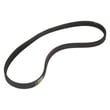
| Weak spin or burning rubber smell | Worn/slipping belt | Washer drive belt WPW10006384 |
Why it matters
Drain and spin problems are the issues customers notice most because they directly affect drying time, cycle completion, and clothing wear. Fixing oversudsing, leveling, and drain hose setup often restores normal operation without major disassembly.
Last updated: February 2026
What's the average lifespan of a Maytag washer?
Maytag washers typically last 10 to 13 years with normal household use. For your Maytag MVWX500XW0, lifespan depends most on load size, how often you run cycles, and routine care like using HE detergent and avoiding chronic overloading (details in the owner's manual).
What affects washer lifespan the most
- Load size and balance: Overloading and repeated out-of-balance loads strain the suspension and drive system.
- Detergent use: Using HE detergent and measuring correctly helps prevent excess suds that can interfere with draining and spinning.
- Water and drain setup: Kinked hoses, clogged inlet screens, or an improperly installed drain hose can create repeat stress on the pump and motor.
- Monthly maintenance: Regular cleaning reduces odors and buildup that can shorten component life.
- Wear parts: Belts, actuators, lid locks, and pumps are common wear items over time.
Quick care checklist (best ROI for longevity)
- Keep loads below the top of the basket’s stainless steel portion and distribute items evenly.
- Use only HE detergent; measure carefully to avoid oversudsing.
- Check inlet hoses for kinks and clean inlet valve screens if fill slows.
- Confirm the drain hose is installed correctly and not pushed too high (a high standpipe can contribute to drain issues).
- Run routine cleaning as outlined in the owner's manual.
Common “wear item” parts you may replace over the years
These are normal replacements that often restore performance and help extend service life:
| Symptom | Common wear area | Example part for MVWX500XW0 |
|---|---|---|
| Won’t spin or weak spin | Belt/drive | Washer drive belt WPW10006384 |
| Won’t drain, still wet | Drain system | Washer drain pump assembly WPW10276397 |
| Won’t start or lid won’t lock | Safety interlock | Washer lid lock assembly W10404050 |
Why it matters
A washer that is consistently overloaded or oversudsed often develops “secondary” problems (slow drain, poor spin, wet loads) that accelerate wear on the drive motor, pump, and suspension. Simple habits and early part replacement usually add years of reliable service.
Last updated: February 2026