



Are GE countertop microwaves good?
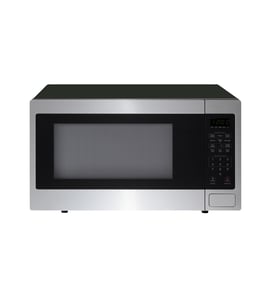
Yes. GE countertop microwaves like model PEM31SF4SS are a solid, dependable choice for everyday reheating and cooking; they are known for practical features, consistent performance, and widely available replacement parts when something wears out.
What “good” usually means for a countertop microwave
Most customers judge a microwave on a few basics; GE typically performs well in these areas:
- Even heating for common foods (leftovers, beverages, frozen meals)
- Straightforward controls and quick-start cooking
- Reasonable noise level from the fan and turntable
- Good fit and finish for a countertop unit
- Repairability (common service parts are available)
Quick checklist: how to evaluate your PEM31SF4SS at home
Use this simple test to decide if your unit is performing like a “good” microwave should:
- Heat 1 cup of water for 2 minutes; it should be very hot (near steaming)
- Listen for abnormal buzzing, arcing, or burning smells
- Confirm the door closes firmly and the latch feels secure
- Check that the turntable rotates smoothly and doesn’t wobble
- Verify the interior waveguide area is clean and the cover is intact
Common issues that affect performance (and the parts tied to them)
If your microwave seems weak, noisy, or inconsistent, these are frequent culprits:
| Symptom | Likely area | Example part for this model |
|---|---|---|
| Runs but doesn’t heat | High-voltage system | Microwave magnetron WB26X21312 |
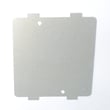
| Sparking or arcing in cavity | Waveguide cover or food splatter | Microwave waveguide cover WB39X10034 |
| Dead, intermittent power | Fuse or door switch circuit | Fuse WB24X21303 |
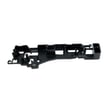
| Won’t start when door closes | Door interlock alignment | Microwave door interlock switch bracket WB14X10049 |
Why it matters
A “good” microwave is one that heats safely and consistently with a door that latches correctly. If heating drops off or the door/interlock system acts up, performance and safety can be affected, and replacing the right part restores normal operation.
Last updated: February 2026
Is the PEM31SF4SS easy to use?
Yes. The GE PEM31SF4SS countertop microwave is designed for straightforward everyday cooking with quick-start style controls and common presets, so most people can heat, reheat, and defrost without a learning curve.
What “easy to use” typically means on this model
Most owners consider a microwave easy when the core tasks are fast and repeatable:
- Quick-start cooking (tap-to-add time, often called express cook)
- One-touch presets for common foods (reheat, beverage, popcorn, etc.)
- Simple power level changes for better results (lower power for melting/softening)
- Clear start/stop and add-time behavior
- Predictable door feel and latch engagement
Quick checks if the controls feel confusing
If the keypad or cooking results make the unit feel harder to use than it should, these steps usually help:
- Unplug the microwave for 2 minutes, then restore power to reset the control.
- Confirm the door closes firmly; a misaligned latch can prevent normal operation.
- Clean the inside ceiling and right-side wall area; heavy splatter can affect performance.
- Use a microwave-safe cup with 1 cup of water to test heating consistency.
- If buttons do not respond, check for a stuck key area or moisture around the control panel.
Parts that can affect “ease of use” (when something feels off)
If the microwave will not start, stops when you close the door, or only runs with the door held a certain way, door-switch parts are common causes.
| Symptom | Common area involved | Example part for PEM31SF4SS |
|---|---|---|
| Won’t start, intermittent start | Door interlock alignment | Microwave door interlock switch bracket WB14X10049 |
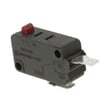
| Starts then stops when door moves | Door switch circuit | Micro-switch WB02X21314 |
Why it matters
When the controls and door interlocks work correctly, you get consistent cook times and fewer “false starts.” If the door-switch system is even slightly out of alignment, the microwave can feel unreliable even though the keypad looks fine.
Last updated: February 2026
What are common problems with GE Profile microwaves?
Common problems we see with GE Profile microwaves (including the GE PEM31SF4SS countertop microwave) are: the unit runs but does not heat, the turntable stops turning, the door will not latch or the microwave will not start, the display or keypad acts up, or you see sparking inside the cavity. Many of these symptoms trace back to door interlock parts, a blown fuse, or high-voltage components.
Most common symptoms and what they usually mean
- Runs but no heat: often a failed magnetron, high-voltage diode, or high-voltage capacitor
- Dead (no display, no response): commonly a blown fuse or power supply issue
- Starts then stops when you close the door: door interlock switch or bracket alignment problem
- Turntable not rotating: coupler or tray drive issue (or the tray is not seated)
- Sparking/arcing: damaged waveguide cover, food splatter, or metal/foil contact
Quick checks we recommend first (safe, no disassembly)
- Unplug for 2 minutes, then plug back in (simple control reset).
- Confirm the outlet works by testing another small appliance.
- Remove the tray, clean the roller area, and reseat the tray so it sits flat.
- Inspect the cavity for burnt spots and clean splatter from the side wall and ceiling.
- If you see arcing near the side wall, inspect the microwave waveguide cover WB39X10034 for burning, cracks, or missing material.
Parts that commonly fix these issues on model PEM31SF4SS
| Symptom | Common suspect part | Example part for this model |
|---|---|---|
| No power | Fuse | WB24X21303 |
| Won’t start, door-related | Door interlock bracket or micro-switch | WB14X10049, WB02X21314 |
| Runs but no heat | Magnetron or high-voltage diode/capacitor | WB26X21312, WB26X28935, WB24X21272 |
Why it matters
Microwaves rely on door interlocks to prevent operation with the door open, and they use a high-voltage circuit to heat food. When a fuse blows or an interlock fails, the microwave may go completely dead or refuse to start; when a high-voltage part fails, it often sounds normal but will not heat.
Safety note before you replace parts
High-voltage components can store a dangerous charge even when unplugged. For “no heat” problems involving the magnetron, capacitor, diode, or transformer, we recommend using a qualified technician.
Last updated: February 2026
What is a PEM31SF4SS?
The GE PEM31SF4SS is a countertop microwave model. We use the model number PEM31SF4SS to match the correct GE microwave parts (like the tray, door switches, and control panel) so your replacement part fits and functions properly.
What this model number tells you
PEM31SF4SS identifies the exact GE countertop microwave version, which matters because similar-looking microwaves can use different:
- Door interlock switch and bracket styles
- Control panel layouts and wiring harness connections
- Turntable tray sizes and coupler designs
- Internal electrical parts such as fuses and noise filters
Common PEM31SF4SS parts customers replace
If you are repairing a heating, power, or door-latch issue, these are frequent starting points for this model:
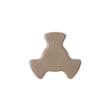
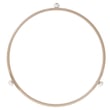
- Tray WB48X21336
- Micro-switch WB02X21314
- Fuse WB24X21303
- Microwave door interlock switch bracket WB14X10049
- Microwave magnetron WB26X21312
Quick part-to-symptom guide
| Symptom | Often involved part | What it affects |
|---|---|---|
| Microwave will not start when door closes | Microwave door interlock switch bracket, micro-switch | Door safety circuit |
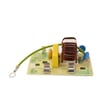
| Dead, no display | Fuse, noise filter | Incoming power protection |
| Runs but does not heat | Microwave magnetron, high-voltage diode, high-voltage capacitor | Heating circuit |
| Turntable not rotating | Tray, coupler | Plate rotation |
Why it matters
Using the exact model number PEM31SF4SS helps prevent ordering a GE part that looks right but has different mounting holes, terminals, or electrical ratings. That saves time and avoids repeat repairs.
For locating the model tag on the microwave, use how to find your appliance model number (and what it means for parts).
Last updated: February 2026
What's the average lifespan of a GE microwave?
A GE microwave like model PEM31SF4SS typically lasts 7 to 10 years with normal household use. Lifespan depends most on door use, ventilation, and keeping the cavity and waveguide area clean; those factors directly affect heating performance and safety shutoffs.
What affects microwave lifespan most
- Door and latch wear: repeated slamming or a misaligned door can stress interlocks.
- Cleanliness: grease and food splatter can cause arcing and overheating.
- Ventilation: blocked vents make the magnetron and transformer run hotter.
- Power quality: frequent surges can damage the control board and noise filter.
- Usage pattern: long cook times back-to-back shorten component life.
Quick care checklist to help it reach 10 years
- Wipe the cavity after spills; avoid harsh abrasives on interior coatings.
- Keep the air vents clear; leave space around the outer case.
- Never run it empty; that can overheat the magnetron.
- Use microwave-safe containers; avoid metal trim and foil contact.
- If you see arcing, stop using it and inspect the waveguide cover.
Parts that commonly determine “repair vs replace”
| Symptom | Common cause | Example part for PEM31SF4SS |
|---|---|---|
| Runs but does not heat | High-voltage component failure | Microwave magnetron WB26X21312 |
| Dead, no display | Blown fuse or power issue | Fuse WB24X21303 |
| Starts only with door pressure | Door switch or bracket alignment | Micro-switch WB02X21314 |
Why it matters
A microwave can still “turn on” even when key safety or high-voltage parts are failing. Catching early signs (weak heating, intermittent operation, arcing) helps prevent bigger damage and keeps cooking results consistent.
Last updated: February 2026


