



What is the average lifespan of a GE dishwasher?
A GE dishwasher like model GDP645SYN8FS typically lasts 10 to 12 years. With normal household use, good loading habits, and routine cleaning, many units reach the higher end of that range; heavy use and poor water quality usually shorten service life.
Typical lifespan ranges (what to expect)
Most modern residential dishwashers fall into these practical ranges:
- 8 to 10 years: heavy daily use, hard water scale, frequent clogs
- 10 to 12 years: average use with basic maintenance
- 12 to 15 years: lighter use, consistent cleaning, quick fixes when symptoms start
| Usage pattern | What it means | Common outcome |
|---|---|---|
| Light (2 to 4 loads/week) | Less wear on pump, heater, and seals | Longer lifespan |
| Average (5 to 7 loads/week) | Typical family use | Average lifespan |
| Heavy (1 to 2 loads/day) | More heat cycles and motor run time | Shorter lifespan |
What usually ends a dishwasher’s life first
In GE dishwashers, the parts that most often drive a “repair vs. replace” decision are:
- Wash circulation issues (motor or pump wear)
- Drain problems (clogs, weak pump, hose restrictions)
- Heating and drying failures
- Leaks from door or tub sealing surfaces
- Control or user interface failures
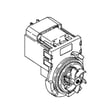
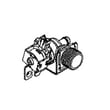
If you are troubleshooting wash performance or water level problems, the GE dishwasher pressure sensor WD21X25468 is one of the components that can affect how the dishwasher senses and manages water.
Maintenance that adds years
These habits reduce strain on the wash system, heater, and seals:
- Clean the filter area and sump regularly; remove glass, labels, and food debris
- Run hot water at the sink before starting a cycle
- Use the right detergent amount for your water hardness
- Keep spray arms clear of seeds and mineral buildup
- Inspect the door seal area and wipe it clean to prevent leaks
Why it matters
Knowing the average lifespan helps us plan smart repairs. A 2-year-old GDP645SYN8FS with a drain issue is usually worth fixing; a 12-year-old unit with multiple failures may justify replacing instead of stacking repairs.
Last updated: February 2026
What is the most common problem with GE dishwashers?
The most common problems we see with GE dishwashers like model GDP645SYN8FS are not draining, leaking, and not starting. In many cases, the fix is basic maintenance (clearing clogs, cleaning spray arms, confirming the door is latching), but a failed pump, latch, or sensor can also be the root cause.
Most common issues and what they usually point to
- Won’t drain / standing water: clogged filter area, blocked drain hose, or a failing drain pump
- Leaks at the front or corners: worn tub gasket, door not closing squarely, or oversudsing
- Won’t start or stops mid-cycle: door latch not engaging, control issue, or an error code condition
- Poor cleaning: clogged spray arm holes, low water fill, or wash pump performance issues
- Not drying well: heater circuit issue, rinse aid empty, or cycle selection
Quick checks we recommend first (before replacing parts)
- Reset power: turn the breaker off for 1 minute, then back on.
- Check the door close: press the door firmly; a weak latch can prevent starting.
- Inspect for clogs: look for debris near the sump area and in the drain path.
- Confirm water supply: make sure the shutoff valve is fully open.
- Run hot water at the sink for 30 to 60 seconds before starting a cycle.
Common parts involved (when symptoms persist)
| Symptom | Likely area | Example part for GDP645SYN8FS |
|---|---|---|
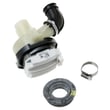
| Not draining | Drain path / pump | Dishwasher drain pump WD19X25461 |
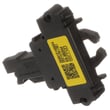
| Won’t start | Door latch system | Dishwasher door latch lock WD01X29878 |
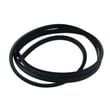
| Leaking | Door/tub sealing | Dishwasher tub gasket WD08X23477 |
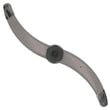
| Poor cleaning | Spray / circulation | GE dishwasher spray arm, lower WD22X33499 |
Why it matters
Drain, leak, and start problems can trigger safety shutoffs, leave water in the tub (odor and bacteria), or cause repeat cycle failures. Catching the cause early also helps prevent secondary damage to the wash pump, wiring, and control components.
When an error code is involved
If your GE dishwasher is beeping, flashing, or showing a code, use GE electronic dishwasher error codes to match the code to the most likely failure and the best next step.
Last updated: February 2026
Can I replace dishwasher parts myself?
Yes, for the GE GDP645SYN8FS dishwasher, many common repairs are DIY-friendly if you shut off power and water first and work carefully. Simple mechanical parts (like spray arms, rack hardware, and some seals) are usually straightforward; electrical and leak-related repairs take more skill and testing.
Good DIY repairs vs. better-for-a-pro repairs
Typically DIY-friendly
- Replace a spray arm (clogs, cracks, poor wash coverage)
- Replace rack hardware (rollers, brackets) when racks won’t slide smoothly
- Replace a tub gasket if it’s visibly torn or flattened
- Replace a drain hose if it’s split, kinked, or leaking at a connection
Often better for a technician (or advanced DIY)
- Control and wiring issues (intermittent power, dead keypad)
- Pump and motor problems (no wash action, loud grinding)
- Heating and drying faults (no heat, poor drying)
Parts we see replaced most often on this model
| Symptom | Likely part to check | Example part for GDP645SYN8FS |
|---|---|---|
| Dishes not getting clean | Clogged or damaged spray arm | GE dishwasher spray arm, lower WD22X33499 |
| Not draining | Drain path restriction or failed pump | Dishwasher drain pump WD19X25461 |
| Won’t start or won’t latch | Door won’t fully latch | Dishwasher door latch lock WD01X29878 |
| Poor drying | Heater not heating | Heating element WD05X35098 |
DIY safety and prep checklist
- Turn off power at the breaker (do not rely only on the door switch)
- Shut off the dishwasher water supply valve
- Protect the floor; keep towels ready for residual water
- Take photos of wire locations and hose routing before removal
- Run a quick test cycle after reassembly and check for leaks
Why it matters
Dishwashers combine water, heat, and electricity. Choosing the right repair level helps prevent repeat leaks, nuisance error codes, and damage to the wash pump, sump, or control components.
For troubleshooting help when the dishwasher displays a code or beeps, use GE electronic dishwasher error codes.
Last updated: February 2026





