 Error Codes




What is the average lifespan of a GE dishwasher?
A GE dishwasher like model GDF535PGR3WW typically lasts 10 to 12 years. Consistent cleaning, correct detergent use, and fixing small issues early (draining, heating, or wash performance problems) are what most often push a dishwasher toward the longer end of its life.
What affects lifespan the most
- Water quality (hard water speeds up mineral buildup)
- How often you run it (daily use wears pumps, seals, and racks faster)
- Cleaning and maintenance habits (filters, spray arms, and door seals)
- Drying and heating performance (a weak heater can leave moisture and residue)
- Drain performance (standing water strains the drain system)
Maintenance that helps you reach 10 to 12 years
- Clean the tub and run a monthly cleaning cycle; see how to clean and maintain your dishwasher.
- Check the door seal for debris and wipe it regularly (helps prevent leaks).
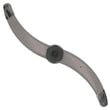
- Keep spray holes clear; if wash coverage is poor, inspect the GE dishwasher spray arm, lower WD22X33499.
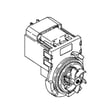
- Address slow or no draining quickly; a failing dishwasher drain pump WD19X25461 can shorten overall life.
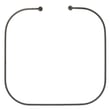
- If dishes are not drying well, confirm the heater is working and consider the dishwasher heating element WD05X35098 if heating is weak.
Quick “repair or replace” guide
| What you’re seeing | Most likely impact | Typical next step |
|---|---|---|
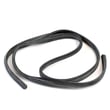
| Minor leak at the door | Usually fixable | Inspect/replace the dishwasher tub gasket WD08X23476 and clean sealing surfaces |
| Not draining or standing water | Can become a bigger failure | Check drain path, then test the drain pump |
| Poor cleaning (food left behind) | Often maintenance-related | Clean spray arms, verify water fill, check wash pump performance |
| No heat or poor drying | Can cause odor and residue | Test heater circuit, inspect heating element |
Why it matters
A dishwasher near the end of its lifespan often shows up as repeated issues in the same systems (wash, drain, heat). Catching those early helps protect the electronic control board, wiring, and seals, which are the most expensive problems to stack up.
Last updated: February 2026
Can a clogged drain cause an FTD error?
Yes. On the GE GDF535PGR3WW dishwasher, an FTD (fail to drain) error commonly happens when water cannot leave the tub fast enough, and a clogged drain path is one of the most frequent causes (filter area, drain hose, air gap, or disposal connection).
What to check first (fast, no-parts steps)
- Cancel the cycle and let the unit try to drain; listen for the drain pump running.
- Remove standing water (cup or wet/dry vac) so you can inspect the sump area.
- Clean debris from the filter/sump area and check for labels, glass, or food blocking the pump inlet.
- Inspect the drain hose for kinks, pinches, or a sag that traps water.
- If connected to a garbage disposal, confirm the disposal inlet knockout plug was removed.
- If you have an air gap, check it for blockage and clear it.
When a clog points to a part problem
A clog can also overload the drain system and expose a weak component. If you hear the pump hum but water barely moves, or draining is intermittent, focus on the drain pump and the drain path.
- If the pump is noisy, jammed, or not moving water: consider the dishwasher drain pump WD19X25461.
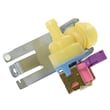
- If the dishwasher is not filling correctly (low water level can confuse drain sensing on some designs): check the water valve assembly WD15X27703.
- If the unit is throwing drain-related codes repeatedly after clearing the hose and sump: use the GE electronic dishwasher error codes reference to narrow the failure.
Quick symptom-to-cause guide
| What you notice | Most likely cause | What we do next |
|---|---|---|
| Water stays in bottom, hose looks kinked | Drain hose restriction | Re-route/replace hose, clear blockage |
| Pump runs but weak/no flow | Pump impeller jam or failing pump | Clear obstruction; replace drain pump if needed |
| Drains into sink then backs up | Disposal/air gap clog | Clear air gap, disposal inlet, or sink drain |
| FTD returns after clearing everything | Drain sensing/control issue | Check error code details; inspect wiring and control components |
Why it matters
A restricted drain can leave dirty water in the tub, cause odors, and trigger repeated FTD errors that stop the cycle. Clearing the drain path early also helps protect the drain pump and prevents leaks from water backing up.
For a step-by-step visual walkthrough, we recommend dishwasher not draining video.
Last updated: February 2026
Can I replace dishwasher parts myself?
Yes, for the GE GDF535PGR3WW dishwasher, we can replace many common parts ourselves if we shut off power and water first and work carefully. Simple mechanical items (like a spray arm or door latch) are usually DIY-friendly; electrical diagnosis is best kept to straightforward swap-outs.
Good DIY replacements on this model
These repairs are typically manageable with basic hand tools:
- Replace a clogged or damaged spray arm: GE dishwasher spray arm, lower WD22X33499 or GE dishwasher spray arm, middle WD22X33498
- Fix a door that will not latch: dishwasher door latch lock WD01X29878 and/or dishwasher door latch strike WD13X10071
- Address a leak at the tub opening: dishwasher tub gasket WD08X23476
- Restore heat for drying (if the unit runs but does not dry well): dishwasher heating element WD05X35098
Repairs that are DIY, but require extra care
These involve wiring, clamps, or water connections; take photos before disconnecting anything.
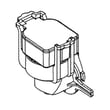
- No fill or slow fill: water valve assembly WD15X27703
- Not draining: dishwasher drain pump WD19X25461
- Wash performance issues tied to circulation: main wash pump asm WD19X27178
- Intermittent operation or dead control symptoms: dishwasher electronic control board WD21X32938 and dishwasher control board fuse WD21X25696
Safety checklist before you start
- Turn off the breaker (do not rely on the control panel being “off”).
- Shut off the dishwasher water supply valve.
- Use a towel and shallow pan for any hose or pump work.
- Label wires or take clear photos before disconnecting harnesses.
- Run a short test cycle and check for leaks after reassembly.
Quick “DIY vs. technician” guide
| Repair type | Typical DIY level | Why |
|---|---|---|
| Spray arm, latch, gasket | Easy | Mostly mechanical, minimal risk |
| Drain pump, inlet valve | Medium | Water connections, clamps, leak checks |
| Control board, wiring | Medium to advanced | Correct diagnosis and careful wiring matter |
Why it matters
Dishwasher problems often look the same (no drain, no wash, poor cleaning), so choosing the right part first prevents repeat tear-downs and avoids water leaks. If you see an error code, start with GE electronic dishwasher error codes to narrow the cause.
Last updated: February 2026
What is the most common problem with a GE dishwasher?
For the GE GDF535PGR3WW dishwasher, the most common problems we see are draining issues (water left in the tub), poor cleaning from low spray pressure, and “won’t start” symptoms caused by a door-latch problem or an electronic control issue. These usually trace back to a clog, a simple loading/maintenance issue, or a failing part.
Most common symptoms and what they usually mean
- Not draining: food debris in the sump area, a restricted drain path, or a weak drain pump
- Not cleaning well: clogged spray arm holes, low water fill, or a wash pump/sump issue
- Won’t start or stops mid-cycle: door not latching fully, UI/control fault, or a blown control fuse
- Leaking at the door: worn tub gasket or door not closing squarely
- No heat or poor drying: heater circuit problem or heater failure
Quick checks we recommend first (no parts)
- Cancel the cycle and run a drain; listen for a strong drain sound.
- Remove and rinse the filter area (if accessible) and clear visible debris from the sump.
- Spin the spray arms by hand; make sure they move freely and the holes are not blocked.
- Confirm the door closes firmly and the latch “clicks” without forcing.
- Verify the sink drain/disposal connection is clear (a common cause of slow draining).
Parts that commonly fix these problems on GDF535PGR3WW
| Symptom | Common fix | Example part for this model |
|---|---|---|
| Water left in bottom | Restore draining | Dishwasher drain pump WD19X25461 |
| Won’t start / intermittent | Restore door closure signal | Dishwasher door latch lock WD01X29878 |
| Poor cleaning / weak spray | Restore spray pattern | GE dishwasher spray arm, lower WD22X33499 |
| No heat / poor drying | Restore heating | Dishwasher heating element WD05X35098 |
| Random dead/no response | Restore control power path | Dishwasher control board fuse WD21X25696 |
Error codes can speed up the diagnosis
If your control panel shows a code or blinking pattern, match it to the symptom before replacing parts. Use our GE electronic dishwasher error codes guide to narrow the failure to the drain system, fill system, heater circuit, or control.
Why it matters
Dishwashers depend on correct water level, strong circulation, and reliable draining. A small restriction (spray arm clog, sump debris, or a weak pump) can look like a major failure, so quick checks often prevent unnecessary part replacement.
Last updated: February 2026





