


How much does a heat pump cost for a 3,000 sq ft home?
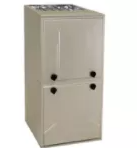
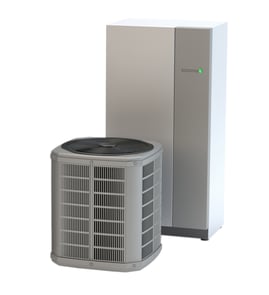
For a 3,000 sq ft home, a new heat pump system typically costs about $6,000 to $15,000 installed, with higher totals when you need ductwork changes, electrical upgrades, or a higher-efficiency (variable-speed) setup. Your Ruud URKA-A24 is a gas/electric package unit, so a heat pump quote often includes additional equipment and labor to convert the system type.
What drives the price most
- Heat pump size (tonnage) needed for your climate and insulation level
- Efficiency rating (higher efficiency usually costs more up front)
- Ductwork condition (repairs, resizing, sealing, or replacement)
- Electrical work (breaker, wiring, disconnect, or panel capacity)
- Installation complexity (roof curb, pad, crane, refrigerant line routing)
- Permits and local code requirements
Typical cost ranges (installed)
| Scenario | What you’re paying for | Typical range |
|---|---|---|
| Basic replacement | Standard efficiency, minimal changes | $6,000 to $10,000 |
| Mid-range upgrade | Better efficiency, some electrical or duct updates | $9,000 to $13,000 |
| Premium system | Variable-speed, major duct/electrical work | $12,000 to $15,000+ |
If you are converting from a package unit (like URKA-A24)
A heat pump is usually installed as a split system (outdoor unit plus indoor air handler) or as a heat pump package unit. Converting from a gas/electric package unit can add cost for:
- Thermostat and control wiring changes
- Duct transitions or curb/pad modifications
- Electrical upgrades (heat strips, breakers, wiring)
- Refrigerant line set work (for split systems)
Why it matters
If the heat pump is undersized, it runs constantly and struggles in extreme weather; if oversized, it short-cycles and can leave humidity high. A proper load calculation is what keeps comfort and operating cost where you expect.
Parts note for URKA-A24 owners
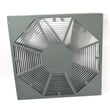
If you are repairing the existing Ruud URKA-A24 instead of replacing the system, common fix-related parts on this model include the motor WG840465 (condenser fan motor) and the limit switch 470015 (safety temperature limit).
Last updated: February 2026
Is a hybrid HVAC worth it?
Yes, a hybrid HVAC (dual-fuel) setup is worth it when you want lower heating costs and better comfort across changing weather; it runs a heat pump in mild conditions and switches to gas heat when it is colder or when heat demand is high. For a Ruud gas/electric package unit like model URKA-A24, the value comes from matching the system to your climate, utility rates, and how often you heat.
When hybrid HVAC pays off most
- You have long shoulder seasons (fall and spring) where a heat pump runs efficiently.
- Electricity is relatively affordable compared to natural gas (or you have time-of-use rates).
- You want steadier indoor temperatures with fewer big swings.
- You plan to stay in the home long enough to recover the higher upfront cost.
- You want redundancy; if one heat source is down, the other can often keep you comfortable.
Quick pros and cons
| Factor | Hybrid HVAC tends to be better | Standard gas heat tends to be better |
|---|---|---|
| Mild-winter efficiency | Heat pump mode saves energy | Less benefit |
| Very cold weather | Gas backup maintains strong heat | Can still be strong, but no heat pump savings |
| Upfront cost | Higher | Lower |
| Complexity | More components to maintain | Simpler |
What to check before you decide
- Local climate: In colder regions, savings depend heavily on how often the system must rely on gas.
- Fuel pricing: Compare your $/kWh vs $/therm and expected run time.
- Ductwork and airflow: Heat pumps need correct airflow to perform well.
- Repair readiness: Hybrid systems have more electrical components (controls, capacitors, motors).
Why it matters for repairs and parts
Hybrid and package systems rely on key electrical and safety parts to switch modes reliably. If you are troubleshooting hard starts, weak airflow, or heat cutouts on URKA-A24, common suspects include the condenser fan motor and run/start components such as the motor WG840465 and capacitor TRCF5.
Last updated: February 2026
Is there a heater and air conditioner combo?
Yes. Your Ruud URKA-A24 is a heater and air conditioner combo (a gas/electric package unit) that provides both cooling and heat in one outdoor cabinet, using an air conditioner section for cooling and a gas furnace section for heating.
What “combo” systems usually include
A heating and cooling combined unit typically has these major sections working together:
- Compressor and refrigerant circuit for air conditioning
- Condenser fan motor to move outdoor air across the coil
- Capacitor/start components to help motors start and run
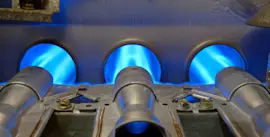
- Gas burners and ignition/flame sensing for heat
- Safety controls such as a limit switch
Common parts that support heating and cooling on URKA-A24
If your combo unit is not cooling, not heating, or short-cycling, these model-matched parts are commonly involved:
| Symptom | Cooling-side parts to check | Heating-side parts to check |
|---|---|---|
| Outdoor unit runs but weak/no cooling | Compressor, run capacitor, condenser fan motor | (Not applicable) |
| Outdoor fan not running | Motor WG840465, capacitor | (Not applicable) |
| Hard starting, buzzing, trips breaker | Start capacitor, start kit | (Not applicable) |
| Heat starts then shuts off | (Not applicable) | Flame sensor, limit switch, burners |
Quick checks before replacing parts
We recommend these basic checks first because they often solve “no heat” or “no cool” complaints without parts:
- Replace or clean the air filter and make sure supply/return vents are open
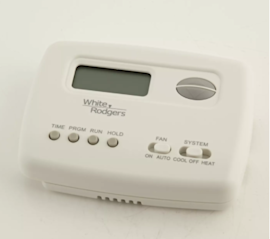
- Confirm the thermostat is set to the correct mode (HEAT vs COOL) and temperature
- Check the outdoor cabinet for blocked airflow (leaves, lint, fencing too close)
- Look for a tripped breaker or blown fuse in the disconnect (power off before inspecting)
- If you suspect an electrical issue, use safe testing practices from our how to use a multimeter to test electrical parts video
Why it matters
A true combo package unit like the Ruud URKA-A24 shares airflow and controls across both heating and cooling. A single failed electrical component (like a capacitor) or safety control (like a limit switch) can stop one mode or shut the whole system down.
Last updated: February 2026
What is the most common part to fail on an AC unit?
On most AC systems (including the Ruud URKA-A24 gas/electric package unit), the most common failure is a capacitor because it handles frequent start-up loads and heat stress. A weak capacitor can keep the condenser fan motor or compressor from starting, causing no cooling or hard-start symptoms.
Common failures to check first
- Run capacitor: AC hums but will not start, fan struggles, or unit short-cycles (a common, relatively quick fix). See capacitor TRCF5.
- Start capacitor or start kit: Compressor has trouble starting, lights dim on start, breaker may trip. See central air conditioner start capacitor 43-17075-04 or start kit sk-a1.
- Condenser fan motor: Outdoor fan not spinning, overheating shutdowns, or loud motor noise. See motor WG840465.
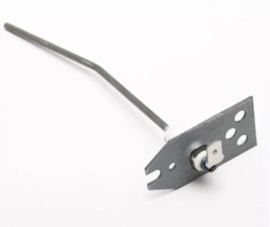
- Limit switch (heat side): Heat shuts off quickly or cycles due to overheating. See limit switch 470015.
Quick symptom-to-part guide
| What you notice | Most likely suspect | What it affects |
|---|---|---|
| Humming, no start | Run capacitor | Fan motor or compressor start/run |
| Fan not spinning, compressor shuts down | Condenser fan motor or run capacitor | Cooling performance, head pressure |
| Breaker trips on start | Start capacitor or start kit | Compressor start-up |
| Heat starts then stops quickly | Limit switch | Furnace safety shutdown |
Why this matters
A failing capacitor can make the system run hot and strain expensive components like the compressor. Catching capacitor or fan motor problems early helps prevent bigger cooling failures and reduces nuisance shutdowns.
Safety and replacement notes
- Turn off power at the disconnect and breaker before opening panels.
- Discharge capacitors properly; they can hold a charge after power is off.
- Match microfarads (MFD) and voltage ratings exactly to the original part.
- If wiring is damaged or terminals are burned, repair the wiring before installing the new part.
Last updated: February 2026