Owner’s manual
 View engine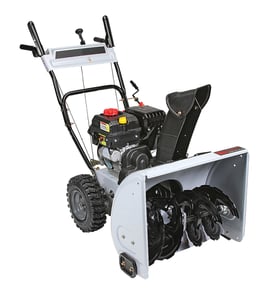




How do I tell what year my snowblower is?
For Craftsman snow thrower model 536886220, the most reliable way to tell the year is to use the date information printed in your documentation and the engine’s manufacture code. The owner’s manual for this model shows a document date of 11/03/97, which strongly indicates the unit’s era.
Check the model’s manual date (fastest)
The 536886220 owner’s manual includes a printed date on the cover pages. For this model, the manual shows 11/03/97, which is a strong clue to the production timeframe.
- Look on the manual cover or first pages for a printed date
- Use that date to estimate the snowblower’s model year range
- Keep in mind the purchase date can be later than the manual date
Decode the engine manufacture code (most precise)
Most snowblower engines have a stamped code that includes the manufacture date. Once you find that code, you can translate it into a year (and often the exact day).
- Check the engine shroud, valve cover, or blower housing for a stamped code
- Clean the area so all digits are readable
- Write down the full code before searching parts or ordering service
- Use the code format for your engine brand to identify the year
Where the “year” can differ
A snowblower can have multiple “dates” associated with it.
| Date type | What it tells you | Where to find it |
|---|---|---|
| Manual print date | Approximate model era | Manual cover/first pages |
| Engine manufacture date | Exact engine build date | Engine code stamp |
| Purchase date | When it was sold | Receipt/records |
Why it matters
Knowing the correct year (or engine build date) helps us match the right parts and specs for your Craftsman snowblower, especially for wear items like belts, shear pins, and friction drive components.
Last updated: January 2026
Should I spray my snowblower with WD-40?
Yes. For Craftsman snow thrower model 536886220, we recommend using a light spray lubricant on bare metal areas (blower housing, auger, and impeller) to help prevent rust and reduce snow sticking; apply it lightly and keep it off belts, friction surfaces, and any points that require grease. See the 536886220 owner's manual for the exact lubrication points and storage steps.
Where spraying helps (and where it does not)
Good places for a light spray (wipe off excess):
- Inside the discharge chute and chute opening to reduce snow buildup
- Auger housing surfaces where snow packs and refreezes
- Bare metal on the auger and impeller for off-season rust prevention
- Lightly on exposed fasteners to slow corrosion
Avoid spraying these areas (can cause slipping or damage):
- Drive and auger belts, pulleys, and belt grooves
- Friction disc and drive plate surfaces (traction system)
- Any grease zerks or areas that should be packed with grease
- Rubber tires and plastic controls
Best practice for in-season vs. storage
| When you’re using it | What to do | Goal |
|---|---|---|
| During the season | Light, even mist; wipe to a thin film | Reduce sticking and chute clogging |
| After each use | Run the machine a few minutes after throwing snow | Help prevent auger/impeller freeze-up |
| End of season storage | Coat bare metal with a rust preventative spray lubricant | Reduce rust during storage |
Quick checklist before you spray
- Shut the engine off and let hot parts cool
- Remove packed snow and ice first
- Spray lightly, then wipe to a thin film
- Keep lubricant away from belts and traction components
- Reapply only as needed (more is not better)
Why it matters
Overspray on belts or friction-drive parts can cause slipping (loss of drive or weak auger engagement). A thin protective film on bare metal helps reduce corrosion and can make snow discharge more consistent.
Last updated: January 2026
How many years should a snowblower last?
A gas snowblower like the Craftsman 536886220 typically lasts 10 to 20 years with normal residential use and consistent maintenance; many units reach the high end of that range when they are cleaned after use, lubricated regularly, and stored correctly each off-season.
Typical lifespan by snowblower type
| Snowblower type | Typical lifespan | What usually limits life |
|---|---|---|
| Gas, dual-stage (like 536886220) | 10 to 20 years | Belts, friction drive wear, carburetor fuel varnish |
| Gas, single-stage | 8 to 15 years | Paddle wear, belt wear |
| Corded electric | 8 to 12 years | Motor/gear wear, switch/cable damage |
| Battery electric | 5 to 10 years | Battery aging, electronics |
What makes a Craftsman 536886220 last longer
The 536886220 owner's manual calls out routine maintenance and storage steps that directly extend service life, including cleaning after each use, tightening loose fasteners, and lubricating key points like the auger shaft.
- Remove snow and slush after every use to prevent controls and the auger from freezing
- Check for loose or damaged parts after use; tighten fasteners
- Lubricate on schedule (the manual notes auger shaft lubrication and other lubrication points)
- Do a yearly tune-up before the season (spark plug, oil, friction drive inspection)
- Store safely and correctly; clean, lubricate, and protect bare metal from rust
Parts that commonly determine “end of life”
Most snowblowers get retired because wear items are ignored until performance drops. On this model, belts are a common maintenance item.
- If the wheels stop driving well, inspect the ground drive belt: snowblower drive belt 1733324SM
- If the auger or impeller stops throwing strongly, inspect the auger belt: snowblower gas belt 585416MA
- If the machine surges or won’t run after storage, focus on fuel quality and carburetor cleaning
Why it matters
A snowblower that is cleaned, lubricated, and stored properly keeps full auger speed and strong drive traction, which reduces strain on the engine, belts, and friction drive system. That is what turns a 10-year machine into a 20-year machine.
Last updated: January 2026
What is the most common problem with snow blowers?
The most common problem we see with snow blowers like the Craftsman 536886220 is a no-start or hard-start condition, usually tied to fuel and ignition basics (old fuel, a dirty carburetor, or a worn spark plug). Next most common are clogs and drive or auger issues caused by worn belts or packed snow.
Quick checks that fix the majority of issues
- Use fresh fuel and handle it safely; fill outdoors and never add fuel to a hot or running engine.
- If it will not start, inspect and service the spark plug; the manual calls for a .030 inch gap.
- Let the snowblower acclimate to outdoor temperature before clearing snow.
- If it clogs, shut it down fully before clearing the chute or auger area.
- If drive or auger performance is weak, inspect belts for glazing, cracking, or stretching.
Safe unclogging and “stop first” steps
The manual is clear: before unclogging the auger/impeller housing or discharge chute, stop the engine, remove the key, and disconnect the spark plug wire. Do not use your hands to clear packed snow; use a pry bar.
| Symptom | Most likely cause | What to do first |
|---|---|---|
| Engine will not start | Fuel quality or spark plug issue | Check fuel, then service spark plug per the 536886220 owner's manual |
| Snow not discharging well | Chute clog or wet/heavy snow | Stop engine, clear safely, reduce ground speed |
| Auger or drive feels weak | Worn or loose belt | Inspect belt condition and tension; replace if worn |
Parts that commonly solve “no move” or “no throw” complaints
If the engine runs but the machine will not drive or the auger will not engage consistently, belt wear is a top suspect.
- Ground drive belt: snowblower drive belt 1733324SM
- Auger drive belt: snowblower gas belt 585416MA
- Chute rotation issues can also be mechanical; inspect the chute gear and rings for binding or damage.
Why it matters
Most snowblower failures start small (fuel, spark, clogs, belt wear). Catching them early prevents sudden breakdowns mid-storm and reduces strain on the auger/impeller and drive system.
Last updated: January 2026