 Owner’s manual
Is 500 hours a lot for a Husqvarna riding mower?
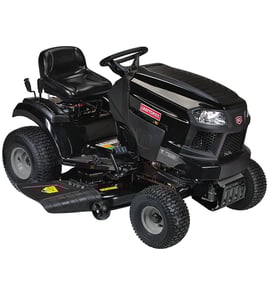
500 hours is a meaningful amount of use on a Husqvarna riding mower like model LGT2554, but it is not automatically “too much.” With normal residential maintenance (oil changes, air filter service, blade care, and belt checks), many riding mowers run well past 500 hours.
What 500 hours usually means
For a residential lawn tractor, 500 hours often lines up with the point where wear items start needing more frequent attention, especially in the cutting deck and drive system.
Common wear areas to watch:
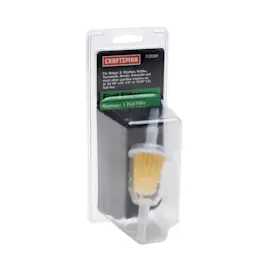
- Engine tune-up items (spark plug, air filter, fuel filter)
- Deck drive belt and idler pulleys
- Blades and blade spindles
- Battery and charging system
- Steering and front-end bushings
Quick condition check (what we look at)
Use this checklist to judge whether 500 hours is “a lot” for your specific mower:
- Starts quickly cold and hot (no excessive cranking)
- No blue smoke after warm-up
- Cuts evenly without heavy vibration
- Transmission pulls smoothly up hills (no slipping or surging)
- Deck engages without squealing or burning belt smell
Maintenance targets at and after 500 hours
A consistent maintenance routine matters more than the hour number.
| Item | Typical interval | Why it matters |
|---|---|---|
| Engine oil and filter | Every 50 hours (typical) | Reduces engine wear and heat |
| Air filter | Inspect often; replace as needed | Prevents power loss and cylinder wear |
| Blades | Sharpen/replace as needed | Improves cut quality and reduces deck strain |
| Deck belt | Inspect each season | Prevents slipping and uneven cutting |
For model-specific maintenance points and intervals, follow the owner's manual.
Why it matters
Hour meters help you plan service before a breakdown. At 500 hours, staying ahead of routine service helps protect expensive components like the engine, transmission, and deck spindles.
Helpful DIY resource
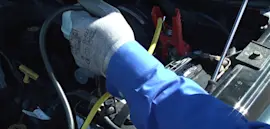
If your LGT2554 is getting harder to start as hours add up, use our how to tune up a riding lawn mower video to walk through the most common tune-up steps.
Last updated: February 2026
Is it worth replacing a lawn mower engine?
Yes, replacing the engine on your Husqvarna LGT2554 lawn tractor is worth it when the tractor’s deck, transmission, and steering are in solid shape and you want more years of reliable mowing. It is usually not worth it when the tractor has widespread wear or the total repair cost is close to the price of a comparable replacement tractor.
Quick decision checklist
- The mower deck is structurally sound (no major rust-through or cracks)
- The transmission drives smoothly and does not slip
- Steering and front axle components are tight and safe
- You can get the engine you need and the mounting/shaft setup matches
- You are comfortable doing a full swap (fuel, wiring, throttle/choke, exhaust)
- The total cost stays well below replacing the whole tractor
Cost and value: a simple comparison
| Option | Upfront cost | Time/effort | What you gain |
|---|---|---|---|
| Replace engine | Medium to high | High | Extends life of a known tractor; keeps your deck and attachments |
| Repair existing engine | Low to medium | Medium | Cheapest path if the issue is fuel, spark, or starting system |
| Replace tractor | High | Low | Newer features and fresh wear parts across the whole machine |
Before you commit: rule out common “engine is bad” problems
Many no-start or no-crank complaints are caused by maintenance or starting-circuit issues, not a failed engine. We recommend checking these first:
- Battery condition and cable/terminal corrosion
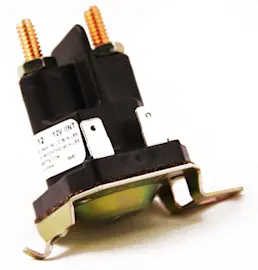
- Wiring connections at the ignition switch, solenoid, and starter
- Air filter condition and fuel freshness
- Spark plug condition (often replaced each season or every 100 hours)
- Engine cooling surfaces (grass screen and cooling fins) for blockage
The LGT2554 manual specifically warns that blocked cooling fins/grass screen or missing cooling shrouds can cause overheating and engine damage; keeping the cooling system clean helps prevent repeat failures after any repair. Use the maintenance intervals and specs in the owner's manual.
For step-by-step troubleshooting, use our DIY video: riding lawn mower engine clicks but doesnt turn over video.
Why it matters
An engine swap can be a smart investment on a well-kept Husqvarna tractor because the deck, lift system, and chassis can outlast an engine. But if the tractor also needs belts, pulleys, electrical work, and steering or transmission repairs, costs stack up fast and reliability still suffers.
Last updated: February 2026
What engine does a Husqvarna LGT2554 have?
The Husqvarna LGT2554 lawn tractor uses a Kohler V-twin gasoline engine. On this model’s parts manual, the engine is listed as “Engine Kohl Model No. SV730-0034.” For ordering tune-up parts, match the engine’s ID tag (model and spec) to your tractor.
Where to find the engine identification
Use the engine ID label on the engine itself; that label is the most reliable way to match filters, ignition parts, and fuel components.
- Look for a sticker or metal tag on the blower housing, valve cover area, or near the starter
- Write down the engine model and spec number
- Compare that information to the engine listing in the LGT2554 owner's manual
- Use the model and spec when selecting maintenance parts (air filter, oil filter, spark plug)
- Record the tractor product number (often on the frame) for chassis and deck parts lookups
What the manual’s engine line means
Kohler commonly uses a model plus spec format; the spec number narrows down exact build variations.
| Label item | Example format | What it affects |
|---|---|---|
| Engine brand | Kohler | Service family and manuals |
| Engine model | SV### | Core engine series |
| Spec number | #### | Exact parts fit and revisions |
Why it matters
Many riding mower parts are engine-specific. Confirming the Kohler model and spec prevents wrong-part returns and speeds up troubleshooting for hard-starting, poor running, or charging problems.
If the starter spins the engine but it will not fire, follow the steps in riding lawn mower engine spins but wont start video.
Last updated: February 2026