Owner’s manual
 Error Codes


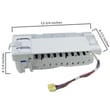
What is the difference between force defrost RD and FD?
On Samsung refrigerators like model RF26XAEWP, RD is a refrigerator-only defrost cycle (fresh food evaporator), while FD is a full forced defrost that’s used to melt heavier ice buildup across the cooling system (often including freezer-side components and the ice maker area). For exact button sequences for your control panel, use the owner's manual.
When to use RD vs FD
Use the mode that matches where the ice problem is happening.
- Use RD when the fresh food section has symptoms like warm temps, frost behind the rear panel, or a fan noise that comes and goes.
- Use FD when you have broader icing symptoms such as restricted airflow, repeated fan rubbing noises, or ice maker area icing that keeps returning.
- If you’re unsure, start with RD; if symptoms return quickly, step up to FD.
What to expect during a forced defrost
Forced defrost is meant to melt ice; water management matters.
- You may hear beeping or see the display change while the cycle runs.
- Ice can melt quickly and drip; protect flooring with towels.
- Remove and empty the ice bin if your unit has one; it helps prevent overflow.
- After the cycle, allow time for temperatures to stabilize before judging results.
Quick comparison
| Mode | What it targets | Best for | Typical result |
|---|---|---|---|
| RD | Refrigerator (fresh food) evaporator | Localized fridge frost or airflow restriction | Clears light to moderate fridge-side ice |
| FD | Full forced defrost (system-wide) | Heavy ice buildup, recurring icing, ice maker area icing | More complete melt-down and airflow recovery |
Why it matters
Choosing the right defrost mode helps restore airflow faster and prevents repeat icing. If forced defrost improves cooling only briefly, the root cause is usually a defrost system or airflow issue; common suspects include the defrost thermostat/protector and evaporator fan operation.
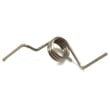
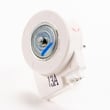
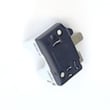
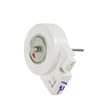
If you’re troubleshooting repeat icing, the refrigerator protector da47-00243k and the refrigerator evaporator fan motor DA31-00146H are two model-matched parts we often see involved in defrost and airflow complaints.
Last updated: February 2026
What's the lifespan of a bottom freezer fridge?
A bottom-freezer refrigerator typically lasts 15 to 20 years. Your Samsung RF26XAEWP can reach the high end of that range when the doors seal well, airflow stays clear, and the unit is kept clean and level; see the care and setup guidance in the owner's manual.
Typical lifespan and what affects it
Most bottom-mount and French door refrigerators last longer when key systems are not overworked.
- Room temperature and ventilation: tight clearances make the compressor run longer
- Door openings and loading habits: frequent openings add heat and moisture
- Ice maker and water system use: heavy use increases wear and clog risk
- Condenser cleanliness: dust buildup raises operating temperatures
- Door gasket condition: leaks cause long run times and frost
Quick checks that help you get the full 15 to 20 years
These are simple, high-impact habits we recommend for RF26XAEWP owners:
- Keep reasonable clearance between the wall and refrigerator (per the manual)
- Avoid placing the refrigerator in direct sunlight
- If power is disconnected, wait at least 5 minutes before plugging back in
- Wipe moisture and leave doors open if the unit will be off for an extended vacation
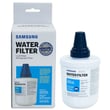
- Replace the water filter on schedule to protect water flow and ice production
Common wear items vs. sealed system (what usually fails first)
| Area | Examples | Typical outcome |
|---|---|---|
| Airflow and defrost | evaporator fan, defrost controls | warm temps, frost buildup, noise |
| Water and ice | filter, ice maker | slow dispense, small cubes, no ice |
| Door sealing | gaskets, alignment | sweating, frost, longer run times |
| Sealed system | compressor, condenser, drier | cooling loss; higher-complexity repair |
Why it matters
Knowing the expected lifespan helps you decide when to maintain versus repair. A refrigerator that is running longer than normal often wastes energy and can shorten the life of the compressor and fans.
If you are troubleshooting ice production specifically, we recommend our guide: why your Samsung fridge stopped making ice and how to fix it.
Last updated: February 2026
Why is ice building up in the bottom of my Samsung freezer?
Ice building up on the bottom of the freezer in your Samsung RF26XAEWP is almost always caused by defrost water not draining correctly; the water refreezes on the freezer floor. A door that is not sealing tightly can add extra moisture and make the problem worse. See the defrost and care steps in the owner's manual.
Most common causes (and what to check first)
- Clogged or frozen defrost drain: Meltwater cannot reach the drain pan, so it pools and freezes.
- Door not sealing: Warm, humid air leaks in and creates excess frost and meltwater.
- Freezer drawer not closing fully: Even a small gap can drive heavy frost and ice.
- Blocked air vents or overpacked freezer: Poor airflow can lead to uneven frosting and extra meltwater.
Quick troubleshooting steps
- Confirm the drawer closes flat: Remove items that stick up or push the basket forward.
- Inspect the door gasket: Look for rips, hardened sections, or debris on the sealing surface.
- Check for a frozen drain trough: If you see a sheet of ice under the lower basket, the drain is likely iced over.
- Defrost the freezer: Unplug the refrigerator, open the freezer, and let the ice melt; towel up water as it melts.
- Restore airflow: Keep packages from blocking vents and leave space around the back wall.
Parts that commonly relate to this symptom
If you find heavy frost or repeated icing after a full defrost, these parts are often involved:
| Symptom you see | What it points to | Example part on this model page |
|---|---|---|
| Ice sheet on freezer floor | Drain icing or defrost issue | Refrigerator protector da47-00243k |
| Frost buildup with warm spots | Airflow problem in freezer | Refrigerator freezer evaporator fan motor DA31-00146E |
| Condensation or frost near door edge | Poor door seal | Refrigerator gasket da63-06542a |
Why it matters
When defrost water cannot drain, ice can build up fast, restrict airflow, and push freezer temperatures warmer. That can lead to soft ice cream, clumping ice in the bucket, and longer run times.
Last updated: February 2026