Error Codes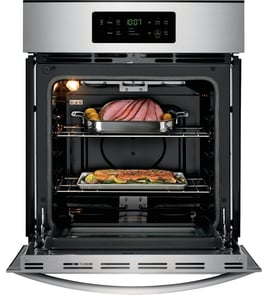



Does Thermador make a wall oven?
Yes. Thermador makes wall ovens, and your Thermador X302XP is a wall oven model. Wall ovens are built-in ovens designed to mount in a cabinet cutout, which helps save floor space and can place the oven at a more convenient height.
What “wall oven” means for Thermador X302XP
A wall oven is typically a 240-volt electric appliance installed in a kitchen cabinet opening. On the X302XP, common service items include the cooling system and safety cutoffs that protect the oven from overheating.
Common wall-oven components you may replace
- Cooling fan and blower parts (helps manage cabinet and control temperatures)
- Thermal safety devices (opens the circuit if temperatures get unsafe)
- Door-related parts (hinges, gaskets, switches)
- Heating and control components (elements, sensors, relays)
Parts we commonly see tied to wall-oven symptoms
If your X302XP is overheating, shutting down, or running the fan constantly, these model-matched parts are often involved:
| Symptom | What it often points to | Model-matched part to check |
|---|---|---|
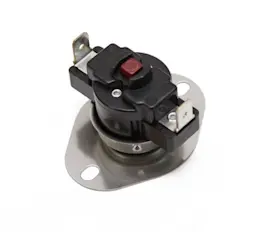
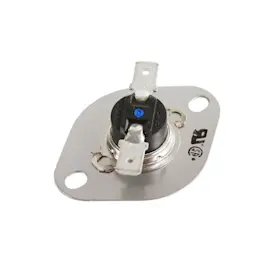
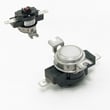
| Oven shuts off mid-cycle | Overheat protection opening | Thermador cut-off 00414633 |
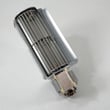
| Fan is noisy or not moving air | Cooling fan/blower issue | Thermador oven blower 00444098 |
| Cabinet area gets unusually hot | Weak airflow or blocked vents | Thermador oven blower 00444098 |
Why it matters
Knowing Thermador makes wall ovens (and that X302XP is one) helps you shop the correct wall oven parts and troubleshoot correctly. Wall ovens rely heavily on a working cooling fan and thermal protection to keep electronics and surrounding cabinetry safe.
Last updated: February 2026
How long do Thermador wall ovens last?
Most Thermador wall ovens, including model X302XP, typically last 15 to 20 years with normal use and good care. Consistent cleaning, proper ventilation, and replacing wear parts (like a cooling fan or thermal fuse) on time helps you reach the full lifespan.
Typical lifespan and what affects it
A wall oven’s service life depends more on heat management and electrical health than on cosmetics.
- Heavy daily baking or self-clean use can shorten lifespan
- Poor cabinet ventilation can overheat controls and wiring
- Power surges and loose connections can damage electronic components
- A failing cooling fan can cause repeated overheating shutdowns
- Prompt replacement of safety parts prevents bigger failures
Common “end-of-life” symptoms (and what they usually mean)
| Symptom | Common cause | What to check first |
|---|---|---|
| Oven shuts off mid-cycle | Overheat protection opening | Cooling airflow, fan operation, thermal fuse |
| Takes longer to preheat | Heat loss or weak heating circuit | Door seal fit, wiring connections |
| Fan runs loud or not at all | Worn blower motor or obstruction | Fan blade, motor noise, airflow |
| Completely dead (no display/heat) | Open safety device or power issue | Breaker, terminal block, thermal fuse |
Parts that help extend the life of your X302XP
If your oven is overheating, shutting down, or the fan is noisy, these model-matched parts are commonly involved:
- Thermador oven blower 00444098 (cooling fan assembly that moves air to protect controls)
- Thermador cut-off 00414633 (thermal fuse that opens if temperatures get unsafe)
Why it matters
A Thermador wall oven is built for long service, but heat buildup is the main life-shortener. Keeping the cooling system working correctly and addressing shutdowns early prevents damage to wiring, controls, and insulation.
Last updated: February 2026
Why is my Thermador wall oven not heating up?
If your Thermador X302XP electric wall oven isn’t heating, the most common causes are a power supply problem, a failed heating circuit safety device, or a cooling/airflow issue that triggers an overheat shutdown. Start with power checks, then test the thermal cut-off and related wiring.
Quick checks first (no tools)
- Confirm the oven is not in Sabbath, Demo, or Delay start mode.
- Verify the oven is set to Bake (not just light or timer) and the temperature is above room temp.
- Check the household breaker: most wall ovens need a 240V double-pole breaker; a half-tripped breaker can leave the oven with lights but no heat.
- If the display is on but heat never starts, listen for the cooling fan; some ovens limit heating if airflow is unsafe.
Parts that commonly stop heating on this model
Two parts on the X302XP parts list are directly tied to “no heat” symptoms:
- Thermador cut-off 00414633: if this thermal fuse opens, the oven can lose power to heating circuits.
- Thermador oven blower 00444098: if the cooling fan fails, the oven may shut down heating to prevent overheating.
How we troubleshoot it (safe, practical steps)
- Kill power at the breaker before removing panels.
- Inspect for obvious issues: burnt connectors, loose spade terminals, heat-damaged wiring.
- Test the thermal cut-off for continuity (it should read closed/near 0 ohms when good).
- If the cut-off is good, check whether the cooling fan runs during preheat; a seized or noisy fan points to a blower problem.
- If both check out, the issue is often a heating element, relay, sensor, or control problem; use a meter and a wiring diagram if available.
What to expect (symptoms vs. likely cause)
| Symptom | Most likely cause | What to check |
|---|---|---|
| Lights/display work, no heat | Breaker half-tripped or lost leg of 240V | Reset double-pole breaker, verify supply |
| Oven heats briefly then stops | Overheat protection opening | Cooling fan operation, airflow, cut-off |
| Completely dead after overheating event | Open thermal cut-off | Continuity test of cut-off |
Why it matters
An electric wall oven can appear “powered” on 120V while still being unable to heat without full 240V. Also, failed cooling airflow can force the oven to disable heating to protect the control area and wiring.
For electrical testing basics, we use guides like how to tell if a fuse is blown and how to use a multimeter to test electrical parts video.
Last updated: February 2026
What is the error code F34 on Thermador wall oven?
On the Thermador X302XP electric wall oven, error code F34 points to a problem in the oven’s cooling or air-circulation safety circuit. In most cases, we fix it by checking the cooling fan operation, inspecting wiring connections, and testing the thermal safety device for an open circuit.
What to check first (safe, quick checks)
- Reset power: turn the breaker off for 1 minute, then back on.
- Confirm the oven is not blocked: remove anything restricting airflow around the wall oven trim.
- Listen for the cooling fan after preheat starts; it often runs during and after baking.
- Check for a loose wire connector at the cooling fan and safety cut-off (power off first).
- If the code returns quickly, stop using the oven until the cooling circuit is verified.
Parts commonly involved on model X302XP
If the cooling system is not moving air or the safety circuit is open, these model-matched parts are the first places we look:
Quick part role guide
| Part | What it does | What failure looks like |
|---|---|---|
| Cooling fan (blower) | Moves air to keep controls and oven cavity area within safe temps | Fan not running, noisy fan, overheating symptoms, F34 returns during heat |
| Thermal cut-off (thermal fuse) | Opens the circuit if temps get too high | Oven may stop heating, code appears, continuity test shows “open” |
How we diagnose it (power off)
- Inspect wiring: look for heat-damaged insulation, loose spade terminals, or pinched wires.
- Test the cut-off: a good thermal cut-off typically shows continuity; an open reading indicates it has tripped and needs replacement.
- Check the blower: verify the fan spins freely by hand (when cool) and that connectors are tight.
For meter basics, use our how to use a multimeter to test electrical parts video.
Why it matters
The cooling fan and thermal cut-off protect the oven’s controls and wiring from overheating. When that circuit is compromised, the oven may shut down or lock out with F34 to prevent damage.
Last updated: February 2026