Installation guide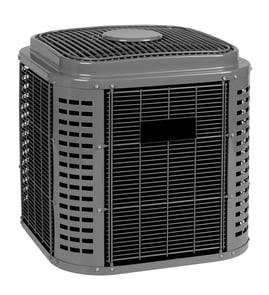




What is the life expectancy of a Goodman AC unit?
A Goodman central AC outdoor unit like model GSC130301AE typically lasts 15 years. With correct installation, proper airflow clearances, and regular maintenance, 12 to 20 years is a normal service-life range for many central air conditioners.
Most central air conditioner outdoor units fall into these buckets:
- 10 to 12 years: heavy use, poor airflow, or inconsistent maintenance
- 12 to 20 years: typical range with normal care
- 20+ years: excellent installation and maintenance, mild operating conditions
| Condition | What you’ll usually see | What helps most |
|---|---|---|
| Average maintenance | Around 12 to 15 years | Annual tune-up, clean coil, correct refrigerant charge |
| Strong maintenance | Around 15 to 20 years | Correct clearances, solid pad, protected refrigerant lines |
| Hard conditions | Around 10 to 12 years | Shade, coil cleaning, electrical checks |
The installation and service guidance for this type of unit focuses on safety, correct placement, and protecting the refrigeration system. Key longevity drivers include:
- Keep minimum airflow/service clearances around the condenser so it can breathe
- Set the unit on a solid, level foundation that will not shift or settle
- Reduce vibration transfer by keeping the pad separate from the building foundation
- Protect refrigerant lines from moisture and contamination during service work
- Use proper suction-line insulation to prevent condensation and related damage
For placement and clearance details, follow the installation guide.
A central AC that is starved for airflow, mounted on an unstable base, or has moisture-contaminated refrigerant lines runs hotter and longer. That extra strain shortens compressor and fan motor life and increases energy use.
Last updated: February 2026
What is the most expensive part to replace on an AC unit?
On a central AC outdoor unit like the Goodman GSC130301AE, the most expensive single component to replace is typically the compressor because it is the core of the refrigerant system and often requires refrigerant recovery, evacuation, and recharge. Coils and some electrical controls can also be high-cost repairs.
The part price is only one piece of the total. Labor, refrigerant handling, and system setup steps can drive the final cost up.
- Compressor: highest-cost part in many outdoor condensing units; replacement often includes refrigerant work and electrical testing.
- Condenser coil: can be expensive and labor-intensive if the coil is damaged or leaking.
- Evaporator coil (indoor): not in the outdoor unit, but commonly one of the most expensive AC repairs overall.
- Control board or defrost/control components (heat pump systems): can be costly on some designs.
- Refrigerant leak repairs: cost varies widely depending on leak location and access.
These factors commonly separate a “part swap” from a major repair:
- Refrigerant recovery and EPA-compliant handling
- Brazing and leak testing (often with nitrogen and a regulator)
- Evacuation and precise recharge
- Electrical diagnostics (capacitor, contactor, overloads, wiring)
- System matching requirements when replacing major components
| Repair item | Why it gets expensive | What to check first |
|---|---|---|
| Compressor | Major sealed-system component; refrigerant work required | Confirm airflow, capacitor/contactor health, and correct voltage |
| Condenser coil | Large coil, leak risk, labor to replace | Look for oil staining, corrosion, physical damage |
| Control components | Parts can be pricey; diagnosis time adds up | Inspect fuses, wiring, and connections |
When a compressor or coil fails, the repair can approach the cost of replacing the outdoor unit, especially if the system must be properly matched and recharged. The installation guidance also emphasizes safety and correct procedures (disconnecting all power, avoiding kinked refrigerant lines, and proper leak testing). Use the installation guide to understand required clearances, electrical safety, and refrigerant-line handling.
Last updated: February 2026
What AC parts are most commonly replaced?
For a Goodman GSC130301AE central air conditioner outdoor unit, the most commonly replaced parts are typically electrical start/run components, airflow components, and refrigerant-circuit service items. Exact part availability varies by symptom, but these are the items we see replaced most often during no-cool and no-start repairs; use the installation guide for model-specific installation and service requirements.
- Capacitors (run capacitor, dual run capacitor): help start and run the compressor and condenser fan motor.
- Contactor/relay: switches high voltage to the outdoor unit when the thermostat calls for cooling.
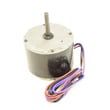
- Condenser fan motor and fan blade: move air across the outdoor coil to reject heat.
- Fuses and disconnect-related parts: protect the circuit when there is a short or overload.
- Refrigerant metering and line components (TXV, filter drier, service valves): often replaced when the system is opened for sealed-system work.
- Compressor: less frequent than capacitors/contactors, but a common major repair when the unit won’t pump or trips on overload.
| Symptom | Common culprits | What we check first |
|---|---|---|
| Outdoor unit won’t start | Capacitor, contactor, fuses, wiring | Line voltage, control voltage, capacitor test |
| Runs but not cooling well | Refrigerant charge, airflow restrictions, metering device | Coil cleanliness, airflow, leak check |
| Loud outdoor unit | Fan motor, fan blade, mounting hardware | Fan balance, motor bearings, loose fasteners |
| Trips breaker or blows fuses | Compressor, fan motor, wiring short, capacitor | Amp draw, insulation resistance, visual wire inspection |
The GSC130301AE installation guidance emphasizes code-compliant installation and refrigerant handling. When brazing or opening the refrigerant circuit, protect valves and related components from overheating and follow proper refrigerant regulations and procedures. Those steps directly affect whether parts like service valves, TXVs, and filter driers survive the repair.
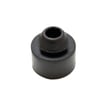
If you’re addressing vibration, wire pass-through wear, or tubing rub points, a small isolation/protection part can be involved, such as the grommet B1339530.
Replacing the right “common” part saves time and prevents repeat failures. For example, a weak capacitor can mimic a bad motor, and a wiring issue can mimic a failed contactor. A simple test plan helps you avoid replacing good parts.
Last updated: February 2026
Can I replace AC spare parts myself?
Yes, you can replace some basic parts on your Goodman GSC130301AE outdoor unit yourself, but any work involving refrigerant handling, brazing refrigerant lines, or changing major components is installation-level work that must follow codes and EPA refrigerant rules. Use the installation guide to plan clearances, wiring, and line-set practices.
These tasks are commonly DIY-friendly if you shut off power at the disconnect and verify power is off:
- Replace obvious rubber isolators or pass-throughs such as a grommet B1339530
- Tighten accessible mounting/hold-down bolts (if you can reach them safely)
- Clean debris from around the condenser and restore airflow clearance
- Inspect visible wiring for damage and repair only if you can make safe, code-compliant connections
- Replace a blown fuse in the disconnect (only after confirming the cause)
The GSC130301AE installation documentation calls out code compliance and EPA refrigerant regulations; it also describes brazing precautions and refrigerant line practices. That puts these jobs in the professional category:
- Recovering, adding, or disposing of refrigerant (EPA-regulated)
- Brazing refrigerant lines, replacing a filter drier, or working at service valves
- Replacing the condensing unit, air handler, indoor coil, or metering device
- Evacuating and recharging a system after opening the sealed refrigerant circuit
| Job type | Typical risk level | Best approach |
|---|---|---|
| Rubber grommet, basic hardware, cleaning | Low | DIY with power off |
| Electrical diagnosis (capacitor/contactor checks) | Medium | DIY only with meter skills |
| Refrigerant circuit work (brazing, recharge) | High | Technician |
Central AC systems are built to meet national codes, and installation must follow local regulations. Refrigerant handling is regulated, and incorrect line-set work (insulation, traps, buried lines protection) can cause leaks, poor performance, and expensive compressor damage.
Last updated: February 2026