

What is the most common problem with a GE electric dryer?
The most common problems we see on a GE electric dryer like model GTD38EASW0WS are no heat/poor drying (airflow restriction or a failed heating circuit part) and no tumble (a broken belt or worn drum support parts). Most “dryer problems” start with restricted venting and lint buildup.
Most common symptoms and what usually causes them
- Dryer runs but no heat: failed heating element, thermostat, or wiring issue
- Dryer heats but takes too long: clogged lint screen, blocked vent, crushed duct, weak airflow
- Drum will not spin: broken belt, seized idler pulley, worn drum glides/bearing
- Stops mid-cycle or overheats: restricted airflow causing high temperatures and safety shutoff
- Won’t start: door switch, start switch, timer/control issue
Quick checks we recommend first (fast, no parts)
- Clean the lint screen and confirm airflow is strong at the outside vent hood.
- Inspect the vent path for kinks, long runs, or lint blockage.
- Verify the dryer is on a dedicated 240V circuit; a tripped breaker leg can cause “runs but no heat.”
- Listen for motor hum with no drum movement (often belt or idler related).
- Check that the door fully closes and the latch engages the switch.
Common parts tied to the top failures on GTD38EASW0WS
| Symptom | Common part to check | Example part for this model |
|---|---|---|
| No tumble | Drum belt | GE dryer drum belt WE03X29897 |
| No heat | Heating element | Dryer heating element WE11M10001 |
| Won’t start | Door switch | Dryer door switch WE04X28977 |
| Overheats/shuts off | High-limit thermostat | Dryer high-limit thermostat WE04X26139 |
Why it matters
Poor airflow makes drying slow and drives temperatures up, which can damage the heating element and thermostats. Fixing venting and lint issues first often restores performance and prevents repeat failures.
Helpful DIY reference
If your dryer is showing a code or beeping pattern, use GE cleanspeak dryer error codes to match the symptom to the most likely circuit or component.
Last updated: February 2026
What's the life expectancy of a GE dryer?
A GE electric dryer like model GTD38EASW0WS typically lasts about 10 to 13 years with normal household use. Consistent airflow (clean lint system and venting) and catching wear parts early are the biggest factors that extend dryer life.
Typical lifespan and what changes it
Most dryers fail early because of heat and airflow stress, not because the cabinet “wears out.” These items have the biggest impact:
- Vent restriction (long dry times, overheating)
- Lint buildup in the lint screen housing and exhaust duct
- Overloading (extra strain on the drum belt, idler pulley, and motor)
- High heat cycles used constantly
- Worn drum support parts (glides, felt seal, bearing)
Quick maintenance that adds years
Use this checklist to keep your GTD38EASW0WS running efficiently:
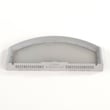
- Clean the lint screen every load; replace a damaged screen such as GE dryer lint screen WE03X23881.
- Inspect and clean the vent path regularly; strong airflow at the outside hood matters.
- If loads start taking longer, address airflow first (before replacing heating parts).
- Avoid chronic overloading; it accelerates belt and bearing wear.
- Listen for squealing or thumping; it often points to belt, idler, glides, or drum support wear.
Common “end-of-life” symptoms and likely causes
| Symptom | What it often means | Common next step |
|---|---|---|
| Drum will not turn, motor runs | Belt or idler issue | Check GE dryer drum belt WE03X29897 and idler system |
| No heat or weak heat | Heating circuit or thermostat issue | Test heater and thermostats (power off) |
| Long dry times, very hot cabinet | Venting restriction | Clean venting and lint passages |
| Loud squeal or scraping | Drum support wear | Inspect glides, felt seal, bearing |
Why it matters
A dryer that is venting poorly runs hotter and longer, which shortens the life of the heating element, thermostats, motor, and drum support parts. Fixing airflow and small wear issues early usually costs less than replacing major assemblies.
Last updated: February 2026
Where to find part number on GE dryer?
On your GE electric dryer model GTD38EASW0WS, the model and serial tag is typically located on the inside of the dryer door opening (on the door frame) or on the inside of the door. Once you find that tag, you can match the correct replacement part for your exact model.
What to look for on the ID tag
The tag usually includes several identifiers; here is what each one is used for:
- Model number: identifies the exact dryer design (use this first)
- Serial number: helps determine production run details
- Electrical ratings: voltage and amperage information
- Manufacturing codes: internal factory codes (not usually needed for parts)
How to use the number to get the right part
When ordering parts for GTD38EASW0WS, we recommend using the model number first, then confirming the part by name.
| You have | Use it for | Example from this model page |
|---|---|---|
| Model number | Selecting the correct parts list | GTD38EASW0WS |
| Part name | Confirming you picked the right item | Drum belt |
| Part ID / part number | Ordering the exact replacement | WE03X29897 |
If you are replacing a common wear item, the drum belt is a frequent match for symptoms like squealing, thumping, or a drum that will not turn; see the GE dryer drum belt WE03X29897.
Why it matters
GE often uses similar-looking parts across multiple dryer families. Using the ID tag information prevents ordering a belt, thermostat, door switch, or heater that fits a different version.
Last updated: February 2026