Owner’s manual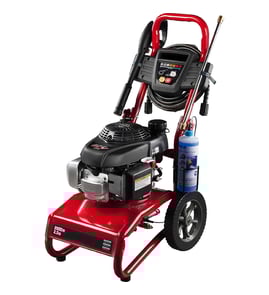



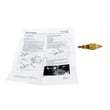
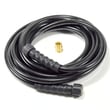
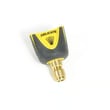
Does Craftsman have a lifetime warranty on pressure washers?
No. The Craftsman pressure washer model 580754890 is covered by a two-year full warranty from the date of purchase for defects in materials or workmanship (repair or replacement if repair is unavailable). For the exact coverage details and exclusions, use the owner's manual.
What the 2-year warranty covers (and what it does not)
The warranty is specifically for defects in materials and workmanship.
Not covered (common examples):
- Wear items that can be used up during normal operation (spray gun, hoses, nozzle extensions, nozzles, spray tips, filters, spark plugs)
- Damage from user modification or attempted repair
- Damage caused by accessories
- Repairs needed due to accidents
- Problems caused by not operating or maintaining the unit as instructed
- Preventive maintenance, or issues caused by improper fuel mixture or contaminated or stale fuel
Why maintenance matters for warranty and performance
Keeping up with routine care helps your 580754890 run correctly and reduces avoidable failures that are typically considered maintenance related.
Key maintenance habits to stay on track:
- Check engine oil level regularly; change oil on schedule
- Clean or replace the engine air cleaner as needed (more often in dusty conditions)
- Replace the spark plug yearly
- Use fresh, properly mixed fuel and avoid stale fuel
- Store the pressure washer correctly during off-season
Quick reference: warranty vs. maintenance
| Topic | Warranty focus | Owner responsibility |
|---|---|---|
| Defects | Materials/workmanship defects | Keep proof of purchase and follow instructions |
| Wear items | Typically excluded | Replace items like filters, spark plugs, hoses as needed |
| Fuel related issues | Typically excluded | Use fresh fuel and correct mixture |
| Storage | Can affect coverage | Follow storage steps to prevent damage |
Helpful related repair and care info
If you are troubleshooting performance issues that feel like a “warranty problem,” these guides help you narrow down the cause first:
Last updated: February 2026
What kind of gas goes in a Craftsman 3000 PSI pressure washer?
For the Craftsman pressure washer model 580754890 (3000 PSI), use clean, fresh unleaded gasoline with a minimum 87 octane (87 AKI) rating. Avoid old fuel and keep the gas can sealed so the engine starts easily and runs smoothly.
Fuel type and what to avoid
Use standard pump gas that meets the octane requirement; the biggest problems come from stale fuel and contamination.
- Use unleaded gasoline, 87 octane (AKI) or higher
- Use fresh fuel (do not use gas that has been sitting for weeks or months)
- Do not use fuel mixed with oil (this is a 4-cycle engine)
- Do not overfill the tank; leave room for expansion
- Wipe up spills before starting the engine
Quick checklist before you fill the tank
Follow the fueling and safety steps in the 580754890 owner's manual.
- Shut the engine off and let it cool.
- Move the pressure washer to a well-ventilated area.
- Fill with fresh unleaded gas (87 AKI minimum).
- Tighten the fuel cap securely.
If it will not start after fueling
Old fuel is a top cause of no-start and rough-running issues. The manual troubleshooting steps commonly include draining the tank and refilling with fresh fuel.
| Symptom | Common fuel-related cause | What to do next |
|---|---|---|
| Won't start | Stale gas or contaminated gas | Drain tank, refill with fresh 87+ octane |
| Surges or loses power | Partially clogged carburetor from old fuel | Replace fuel with fresh gas; check air filter |
| Starts then dies | Water in fuel or varnish buildup | Drain and refill; inspect spark plug |
Why it matters
Fresh, correct-octane fuel helps the 580754890 engine maintain rated performance (up to 3000 PSI) and reduces hard-starting, power loss, and carburetor deposits.
Last updated: February 2026
Why does my gas pressure washer have no pressure?
If your Craftsman pressure washer model 580754890 has no pressure, the most common cause is air trapped in the pump or an inadequate water supply. Turn the water on first, then hold the trigger with no spray tip installed to purge air and impurities before starting the engine (steps in the owner's manual).
Quick checks that fix “no pressure” most often
- Confirm the garden hose is fully on and the supply is at least 20 PSI.
- Make sure the water source can deliver more than 3.7 GPM.
- Verify inlet water temperature is 100°F or less.
- Clean the inlet screen at the pump water connection (debris here starves the pump).
- Remove the spray tip and squeeze the trigger until flow is steady (no sputtering).
- Check the high-pressure hose for kinks, cuts, or a collapsed section.
Start-up sequence (the pressure-building steps)
Follow this order to prevent air lock and protect the pump:
- Connect the garden hose to the pump inlet.
- Turn ON the water.
- Press the red button on the spray gun and squeeze the trigger to purge air.
- Keep triggering until the stream is smooth.
- Attach the nozzle extension and then install the correct spray tip.
When it’s not air or water supply
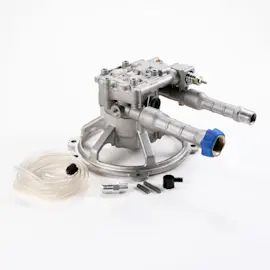
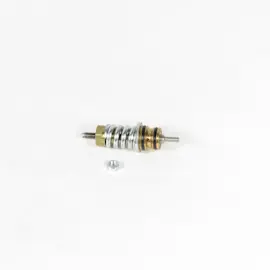
If water supply and purging are correct but pressure is still low or drops under load, the unloader system is a top suspect. A sticking or worn unloader valve can dump pressure back to bypass instead of sending it to the hose.
Symptoms that point to the unloader valve
- Pressure surges (high then low) while spraying
- Good flow but weak spray even with the correct tip
- Pressure improves briefly, then fades as the pump warms up
Relevant replacement part: Pressure washer unloader valve kit 772235 (part number 315747GS).
Why it matters
Running with poor water supply or trapped air can prevent the pump from building pressure and can damage pump components over time. Purging air and confirming minimum PSI and GPM gives the pump the conditions it needs to reach rated pressure at governed engine speed.
Helpful DIY guidance
Last updated: February 2026
Is it worth repairing a pressure washer?
Yes, repairing a pressure washer is usually worth it when the problem is isolated (leaks, pressure surging, worn seals, a sticking unloader) and the engine and pump are otherwise sound. For the Craftsman 580754890, a targeted repair often restores performance and extends service life when you follow the maintenance and safety steps in the 580754890 owner's manual.
Quick decision checklist
- Repair when the unit starts and runs, but pressure is weak, surging, or inconsistent.
- Repair when you have a clear leak source (o-ring, fitting, hose end) and can replace the seal.
- Repair when the issue points to the unloader valve or check valves rather than the engine.
- Replace when the engine has severe internal damage (won’t run even after basic tune-up checks).
- Replace when the pump housing is cracked or badly corroded.
- Replace when repair cost approaches about half the cost of a comparable new pressure washer.
Common “worth repairing” problems on gas pressure washers
Many performance complaints come from serviceable components, not the whole machine.
| Symptom | Most likely area | Typical fix |
|---|---|---|
| Pressure surges or won’t stay steady | Unloader valve | Replace the unloader valve kit |
| Low pressure but engine runs fine | Nozzle, inlet screen, air leak | Clean/replace nozzle, check water supply, reseal fittings |
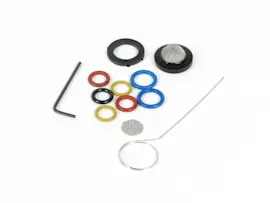
| Leaks at connections | O-rings/seals | Replace o-ring or seal (do not use sealant) |
| Engine bogs under load | Engine tune-up items | Air filter, spark plug, fresh fuel, correct governed speed |
If your pressure is surging or inconsistent, the pressure washer unloader valve kit 772235 (part number 315747GS) is a common repair path for this model.
Safety and repair basics we follow
The manual’s safety guidance matters as much as the repair itself.
- Shut the engine off and point the spray gun in a safe direction.
- Release trapped pressure at the gun before disconnecting hoses.
- Disconnect the spark plug wire before adjusting or making repairs.
- Never repair a high-pressure hose; replace it.
- Never “fix” leaking connections with sealant; replace the o-ring or seal.
Why it matters
A pressure washer can trap high pressure even after the engine stops; releasing pressure and disconnecting the spark plug wire reduces the risk of serious injury and prevents accidental starting. Proper maintenance also extends the life of the machine.
Helpful DIY guidance
Last updated: February 2026
How many PSI for my pressure washer?
Your Craftsman pressure washer model 580754890 is rated for 3000 PSI max (PWMA-rated) and up to 2.7 GPM. For most cleaning, we use the widest spray tip and the greatest working distance that still cleans well to protect surfaces and reduce pump wear.
Model 580754890 PSI and water supply requirements
These specifications are listed in the 580754890 owner's manual.
- Max outlet pressure: 3000 PSI (PWMA-rated)
- Max flow rate: 2.7 GPM
- Water supply temperature: not to exceed 100°F
- Minimum supply pressure at hose end: 20 PSI
- Supply flow capability: greater than 3.7 GPM
Typical PSI ranges by job (practical guidance)
Actual impact pressure at the surface changes with spray tip angle and distance.
- 1,300 to 2,000 PSI: vehicles, patio furniture, grills
- 1,800 to 2,500 PSI: decks, fences, siding (use care on wood)
- 2,500 to 3,000 PSI: concrete and heavy soil (keep the wand moving)
Quick PSI guide by task
| Task | Typical PSI range | Safer approach |
|---|---|---|
| Wash a car | 1,300 to 1,900 | Wide fan tip, more distance |
| Clean a deck | 1,800 to 2,500 | Test a small area first |
| Siding | 1,800 to 2,800 | Avoid forcing water behind panels |
| Concrete | 2,500 to 3,000 | Keep moving to prevent etching |
If pressure is weak or surging
A setup issue or a pump control problem can make PSI feel low even when the unit is rated correctly.
- Confirm the garden hose supply meets the minimum flow and 20 PSI requirement
- Purge air from the pump by squeezing the trigger with water on before starting
- Check for kinks, leaks, or a clogged spray tip
- Inspect quick-connects and the inlet screen for debris
- If surging persists, the unloader can be the cause; see pressure washer unloader valve kit 772235 and how to replace a pressure washer unloader valve
Why it matters
Using more PSI than needed can damage wood fibers, strip paint, and shorten pump life. Matching PSI to the surface cleans faster with fewer repairs.
Last updated: February 2026