





How much does it cost to replace drum bearings on a dryer?
Replacing drum bearings (or the drum support system) on a GE dryer like model GFD65ESSN1WW typically costs $150 to $450 total when you include parts and labor. If you do the repair yourself, parts commonly run $40 to $200, depending on whether you replace only the worn support or refresh the full drum support and belt drive.
What you usually pay for (parts vs. labor)
Most of the cost is labor because the dryer cabinet usually has to be opened and the drum removed.
- Service call and diagnosis: often included in the first hour of labor
- Labor time: commonly 1.5 to 3.0 hours for drum removal and reassembly
- Parts: varies by what is actually worn (idler, supports, drum, belt-related hardware)
- Optional add-ons: cleaning lint buildup, replacing multiple wear items at once
| Repair approach | Typical parts cost | Typical total cost | Best when |
|---|---|---|---|
| Replace only the failed support/bearing item | $40 to $120 | $150 to $300 | Noise is isolated to one component |
| Refresh common wear items while opened | $80 to $200 | $250 to $450 | Dryer is older or has multiple noises |
| Major drum-related replacement | $300+ | $500+ | Drum is damaged or out of round |
Parts that commonly get replaced during a “bearing” job
On many dryers, customers describe a squeal, grind, or rumble as “bad bearings,” but the fix is often a drum support or belt-drive wear item.
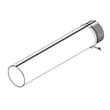
- Dryer idler assembly WE03X30657 (common squeal or belt slack issues)
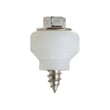
- Drum supports (front or rear) that let the drum ride rough
- Belt and pulley hardware (if worn or heat-damaged)
- Drum components if there is scoring, cracking, or severe wobble
Quick checks that help confirm the problem
These checks help you decide whether you are dealing with a support/bearing issue versus airflow or heat problems.
- Spin the drum by hand (power off); listen for scraping or grinding
- Note when the noise happens: startup, steady tumble, or only with heavy loads
- Check for drum wobble or a “thump” once per revolution
- Inspect the lint screen and airflow; restricted venting can overheat and accelerate wear
Why it matters
A worn drum support system can damage the drum, belt, and blower housing over time. Fixing the noise early often keeps the repair closer to the lower end of the cost range and helps the dryer run more efficiently.
For maintenance habits that reduce wear and overheating, use our guide: how to keep a dryer clean and economical.
Last updated: February 2026
What is the most common problem with a GE dryer?
The most common GE dryer problem (including model GFD65ESSN1WW) is poor drying or no heat, and the root cause is usually restricted airflow from lint buildup in the lint screen or venting. “Won’t start” and “noisy operation” are also frequent, often tied to a door switch or drum support/belt system.
Quick checks we recommend first
- Clean the lint screen every load; replace a damaged screen such as the dryer lint screen WE16X32537.
- Check airflow at the outside vent hood; weak airflow points to a clogged or crushed vent.
- Confirm the door fully latches; a failing door switch WE04X34281 can prevent starting.
- Avoid overloading; heavy loads reduce tumbling and airflow.
- If the dryer runs but clothes stay damp, stop using it until the vent path is cleared.
Most common symptoms and likely causes
| Symptom | Most common cause | Other common causes |
|---|---|---|
| Long dry times | Vent restriction, lint buildup | Blower issues, moisture sensor issues |
| No heat | Airflow restriction, heater circuit problem | Thermostat/thermal safety device |
| Won’t start | Door not closed, door switch issue | Control or power supply issue |
| Squealing/thumping | Worn idler or drum support | Drum baffle loose, drum wear |
Parts that commonly fix these issues on GFD65ESSN1WW
When airflow is good but the problem persists, these model-matched parts are common solutions:
- Dryer heater assembly WE11X29790 for “runs but no heat” on electric heat systems.
- Dryer blower thermostat WE04X29714 if the dryer overheats or cycles heat incorrectly.
- Dryer outlet backup thermostat WE04X10190 if a safety thermostat has opened from overheating.
- Dryer idler assembly WE03X30657 for squealing and belt tension problems.
Why it matters
Restricted airflow is the most common underlying issue because it causes long dry times, overheating, and repeated shutdowns of heating and safety components. Keeping the lint screen and venting clear prevents many “no heat” and “takes too long” complaints.
For display fault codes or beeping patterns, use our GE gfd model series error codes reference to narrow the problem to a specific circuit or sensor.
Last updated: February 2026
What's the life expectancy of a GE dryer?
A GE dryer like model GFD65ESSN1WW typically lasts about 10 years with normal household use. Consistent airflow (clean lint screen and venting) and keeping wear parts in good shape (belt support and drum support components) are the biggest factors in reaching that lifespan.
What affects dryer lifespan the most
- Vent restriction and overheating (clogged lint screen, crushed vent, long duct runs)
- Load habits (overloading strains the drum, supports, and drive system)
- Maintenance frequency (lint removal inside the cabinet and at the blower area)
- Wear parts condition (idler, drum supports, baffles)
- Electrical supply stability (loose connections can damage controls)
Quick maintenance checklist (best ROI)
- Clean the lint screen after every load; replace a damaged screen such as the dryer lint screen WE16X32537.
- Check airflow at the outside vent hood; strong flow helps prevent heat stress.
- Inspect the vent duct for kinks, crushing, or heavy lint buildup.
- Keep the drum turning smoothly; squealing or thumping often points to the dryer idler assembly WE03X30657 or drum support wear.
- If drying times increase, address airflow first before replacing heating parts.
Common “end-of-life” symptoms and what they usually mean
| Symptom | Most common cause | What we check first |
|---|---|---|
| Long dry times | Poor airflow | Lint screen, vent duct, outside hood |
| Squealing or chirping | Idler or support wear | Idler assembly, drum supports |
| Thumping | Drum/baffle issue | Drum baffle, drum condition |
| No heat | Heating circuit issue | Airflow, thermostats, heater assembly |
Why it matters
A dryer that runs hot because of restricted airflow wears out heaters, thermostats, and controls faster. Keeping airflow strong and replacing small wear parts early often prevents expensive repairs like a drum or control replacement.
For fault codes on GE GFD-series dryers, use our GE gfd model series error codes reference to narrow down what the dryer is detecting.
Last updated: February 2026





