Error Codes



Does a Kenmore upright freezer have a reset button?
Kenmore upright freezers like model 2539282110 typically do not have a single dedicated “reset” button. Most resets are done by power-cycling the freezer or using the temperature control panel (if your unit has one) to clear a control glitch and restart normal operation.
How to reset a Kenmore upright freezer (safe, common methods)
- Power reset: unplug the freezer (or switch the breaker off) for 5 minutes, then restore power.
- Control reset (if equipped): press and hold the temperature keys together for several seconds; many Kenmore control panels use a key-combo to reset.
- Clear a “stuck” condition: open and close the door firmly, then wait a few minutes for the control to respond.
- After a reset: allow 24 hours for temperatures to fully stabilize.
If it still will not cool or keeps warming up
These checks help separate a simple control issue from an airflow, seal, or defrost problem:
- Confirm the freezer is set near 0°F.
- Make sure vents are not blocked by packages.
- Check the door seal for gaps, rips, or areas that do not grip paper.
- Listen for the compressor and fan running; repeated clicking can point to a start-device issue.
- Look for heavy frost on the back wall (often indicates a defrost or airflow problem).
| Symptom | Most likely cause | What to do next |
|---|---|---|
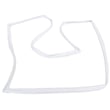
| Warm temps, door won’t seal | Worn gasket | Inspect and replace the freezer door gasket 5304507202 |
| Clicking, no steady run | Start device issue | Consider testing the ptc starter 5304493950 |
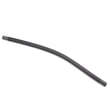
| Water/ice at bottom | Drain restriction | Inspect the hose 5304512272 (drain tube) |
Why it matters
A proper reset can clear a temporary control lockup, but it will not fix mechanical issues like a leaking door gasket, restricted airflow, or a failing compressor start device. Doing the quick checks above prevents food loss and avoids unnecessary part replacement.
Last updated: February 2026
How long does a Kenmore upright freezer last?
A Kenmore upright freezer like model 2539282110 typically lasts 10 to 15 years with normal household use. Keeping the door sealing tightly, maintaining steady temperatures, and preventing heavy frost buildup are the biggest factors that help it reach the high end of that range.
Typical lifespan and what to expect
Most upright freezers follow a similar life cycle:
| Age of freezer | What’s common | What we recommend |
|---|---|---|
| 0 to 5 years | Few issues beyond setup and minor adjustments | Keep it level, allow airflow, avoid overpacking |
| 6 to 10 years | Wear items start showing up (seals, airflow issues) | Check door seal and defrost performance |
| 11 to 15 years | Higher chance of cooling or electrical failures | Plan for repair vs. replacement based on symptoms |
What shortens (or extends) freezer life
These are the biggest real-world factors that affect how long your 2539282110 lasts:
- Door seal condition: A leaking gasket forces longer run times and can shorten compressor life.
- Room temperature and ventilation: Hot garages and tight clearances increase workload.
- Frost and airflow: Heavy frost or blocked vents reduces cooling efficiency.
- Power quality: Frequent outages or voltage issues stress the compressor and starter.
- Cleaning and upkeep: Keeping the condenser area clean helps the system shed heat.
Parts that commonly matter for longevity
If you’re trying to keep an older unit running efficiently, these model-matched parts are often involved:
Why it matters
A freezer that runs longer than normal to hold temperature uses more electricity and puts extra wear on the sealed system (compressor, condenser, and refrigerant components). Catching air leaks and airflow problems early is the simplest way to protect the cooling system.
Last updated: February 2026
How many cubic feet is a Kenmore freezer model 2539282110?
Kenmore upright freezer model 2539282110 is a full-size upright freezer; units in this Kenmore/Frigidaire-built family typically measure about 15 to 18 cubic feet. For the exact cubic-feet rating for your specific unit, use the capacity printed on the EnergyGuide label.
Where to find the exact capacity
The most reliable place is the EnergyGuide label; it lists capacity in cubic feet and matches your model.
- Check the EnergyGuide label (often on the side panel, back, or inside the cabinet)
- Verify the model number 2539282110 on the model/serial tag (commonly inside the cabinet near the top or along the door opening)
- Write down the cu. ft. value exactly as shown for future parts lookups
- Keep the door closed as much as possible while checking to maintain temperature
Quick label check
| What you find | What it tells you | What to do next |
|---|---|---|
| EnergyGuide shows “xx.x cu. ft.” | Exact capacity | Record it and keep a photo for reference |
| Only model/serial tag present | Confirms identity | Use the model number when comparing specs |
| Label is damaged or missing | Capacity not visible | Replace the label if you want the capacity documented |
A replacement label is available as the energy guide 216584321.
Why it matters
Capacity helps you plan storage and compare similar upright freezers. It also supports troubleshooting; overpacking can block airflow and create warm spots even when the compressor is running.
Parts that affect cooling (not capacity)
If you are checking capacity because temperatures seem off, these parts commonly impact performance:
- Freezer door gasket 5304507202 (air leaks cause frost and temperature swings)
- Ptc starter 5304493950 (hard-start or no-start compressor symptoms)
- Freezer condenser coil 5300123788 (dirty or restricted coil reduces heat removal)
Last updated: February 2026
How to clean upright freezer coils?
To clean the coils on your Kenmore 2539282110 upright freezer, unplug the freezer, pull it out for access, then gently brush and vacuum dust from the condenser coil area so air can flow freely and the compressor can cool properly.
Before you start (safety and access)
- Unplug the freezer (or switch off the breaker).
- Move food to a cooler if the door will be open for a while.
- Pull the freezer straight out to avoid damaging flooring.
- Locate the condenser coil area (commonly behind a lower front grille or on the back).
- If you see heavy lint buildup, plan to vacuum first, then brush.
Cleaning steps (what works best)
- Remove the lower grille or rear access cover if your unit has one.
- Use a coil brush or stiff bristle brush to loosen dust; brush along the coil fins.
- Vacuum the loosened debris using a crevice tool.
- Clean the floor area under the freezer and around the compressor compartment.
- Reinstall the grille/cover, push the freezer back, then restore power.
What to use (and what to avoid)
| Tool or method | Good for | Avoid when |
|---|---|---|
| Vacuum with crevice tool | Removing loose dust and pet hair | Coil area is wet or dripping |
| Coil brush or stiff bristle brush | Breaking up packed lint on coils | Bristles are so stiff they bend fins |
| Compressed air (short bursts) | Blowing dust out of tight spots | You cannot control where dust goes |
| Damp cloth (on nearby surfaces) | Wiping panels and floor | Wiping directly on electrical parts |
Why it matters
Dirty condenser coils trap heat, which makes the compressor run longer, raises energy use, and can lead to warmer freezer temperatures. Keeping the coil area clean helps the sealed system shed heat efficiently.
When cleaning points to a part problem
If the freezer still runs hot or struggles to hold temperature after cleaning, check for airflow restrictions and door sealing issues. A torn or hardened gasket can leak warm air and create extra frost.
- Inspect the door seal for gaps, rips, or areas that do not grip paper.
- Make sure shelves and bins are not preventing the door from closing.
- If the gasket is damaged, replace the freezer door gasket 5304507202.
Last updated: February 2026
What are the parts of a standing freezer?
A standing (upright) freezer like Kenmore model 2539282110 is built around a sealed refrigeration system (compressor, condenser, metering device, evaporator) plus airflow, defrost, and door-seal components that keep temperatures stable for safe long-term food storage.
Core refrigeration system (the parts that make cold)
These components move heat out of the cabinet:
- Compressor: pumps refrigerant through the system (example part: compressor 5304443412).
- Condenser coil: releases heat to the room air (example part: freezer condenser coil 5300123788).
- Metering device (capillary tube): controls refrigerant flow into the evaporator (typically part of the sealed system).
- Evaporator: absorbs heat inside the freezer so the cabinet gets cold.
- Filter drier: removes moisture/contaminants from refrigerant (example part: filter drier 5303305677).
Cabinet, door, and moisture control parts
These parts help the freezer hold temperature and manage condensation:
- Door gasket: seals the door to prevent warm air leaks (example part: freezer door gasket 5304507202).
- Breather valve: helps equalize pressure and reduce door “vacuum” issues (example part: freezer breather valve 216403700).
- Drain tube: routes defrost water to the drain pan area (example part: hose 5304512272).
- Shelves and door hardware: organize food and support door bins (examples: shelf 216070000, shelf 216069900, door stop 8016354).
Quick “what does what” table
| System | Main job | Common symptom when it fails |
|---|---|---|
| Sealed system (compressor/coils/evaporator) | Removes heat | Warm freezer, constant running, clicking |
| Door sealing (gasket/hinges/stop) | Keeps warm air out | Frost buildup, sweating, temp swings |
| Defrost/drain (drain tube) | Removes meltwater | Water pooling, ice sheet on floor |
Why it matters
Knowing the major freezer parts helps you troubleshoot faster. For example, heavy frost and temperature swings often point to an air leak at the door gasket, while a warm cabinet with a running compressor can point to airflow or sealed-system issues.
Last updated: February 2026
Where are the condenser coils on a Kenmore upright freezer?
On the Kenmore 2539282110 upright freezer, the condenser coils are typically not in the food compartment; they’re usually located in the machine compartment area where the unit dumps heat, most often behind the lower rear access panel or underneath near the compressor.
How to find the condenser coils on an upright freezer
- Unplug the freezer (or switch off power at the breaker).
- Pull the freezer straight out so you can access the back and bottom.
- Look for a lower rear cover panel; remove it if present.
- Identify the compressor (black metal can) and follow the tubing; the condenser coil is the heat-dissipating tubing/coil assembly near it.
- If you see a coil but it’s damaged or leaking oil, stop and schedule service.
What you’ll usually see
- A black compressor and copper/aluminum refrigerant lines
- A coil or looped tubing assembly near the compressor
- A condenser fan on some designs (not all uprights use one)
- Dust and pet hair buildup on or around the coil area
Cleaning and airflow tips (safe DIY)
Keeping the condenser area clean helps the freezer cool efficiently and can reduce long run times.
- Vacuum dust from the rear/bottom area using a brush attachment
- Use a soft coil brush if the coil is exposed
- Keep at least a few inches of clearance behind the cabinet for airflow
- Avoid bending or kinking refrigerant lines
- Reinstall any access panel before plugging the unit back in
| Location you check | What it means if you find coils there | What to do next |
|---|---|---|
| Behind lower rear panel | Common condenser location | Clean dust; confirm panel fits tight |
| Underneath front/rear edge | Common on some uprights | Clean carefully; keep vents clear |
| No visible coil (smooth back) | Coil may be built into cabinet walls | Focus on airflow and door seal condition |
Why it matters
The condenser coil is where heat leaves the refrigerant. If airflow is blocked or the coil area is packed with dust, the compressor can run longer and temperatures can drift warmer.
Related parts that affect cooling performance
If you’re troubleshooting poor cooling, these model-matched parts are often involved:
- Freezer condenser coil 5300123788
- Ptc starter 5304493950
- Compressor 5304443412
- Freezer door gasket 5304507202
Last updated: February 2026
Where is the model number on a Kenmore upright freezer?
On a Kenmore upright freezer like model 2539282110, the model number is printed on a rating label inside the cabinet or around the door opening. We most often see it on an inside side wall, the ceiling area, behind the lower kick plate, or on the back of the unit.
Common places to check first
- Inside the freezer on the left or right interior wall
- On the interior ceiling (top liner) near the light or air vents
- Around the door opening on the cabinet frame
- Behind the lower front kick plate or toe grille
- On the back exterior panel near the bottom
What the label looks like (and what to write down)
The label usually includes the model number and serial number. For parts lookup and ordering, we recommend writing down:
- Model number (for this page: 2539282110)
- Serial number (helps confirm production run)
- Electrical rating (volts/amps) if you are troubleshooting
| Label item | Why it matters | Example format |
|---|---|---|
| Model number | Ensures parts fit your exact freezer | 2539282110 |
| Serial number | Helps match the correct variation | 2 letters + numbers |
| Electrical rating | Useful for diagnosing power issues | 115V, 60Hz |
Why it matters
Kenmore upright freezers can have multiple versions that look similar, and the model number is what ties your freezer to the correct door gasket, shelves, and sealed-system parts. For example, using the correct model helps you match items like the freezer door gasket 5304507202 when you are fixing air leaks or frost buildup.
Last updated: February 2026
Why is my upright freezer leaking water on the floor?
Water on the floor around your Kenmore 2539282110 upright freezer is usually caused by a blocked defrost drain that overflows during the defrost cycle, or by warm, humid air leaking past the door gasket and creating excess condensation. Checking the drain path and door seal fixes most leaks.
Quick checks we recommend first
- Unplug the freezer before removing interior panels or working near wiring.
- Look for a sheet of ice on the freezer floor; that points to a frozen drain.
- Check the door seal for gaps, tears, or areas that do not grip the cabinet.
- Confirm the freezer is level (slightly higher in front helps the door close).
- Look underneath for a drain pan that is out of position or overflowing.
Clear a clogged or frozen defrost drain
A clogged drain lets defrost water back up and spill into the cabinet, then out onto the floor.
- Remove food from the bottom area and take out lower bins/shelves.
- Melt any ice around the drain trough using warm (not boiling) water.
- Flush the drain hole with warm water using a turkey baster or squeeze bottle.
- If water does not flow freely, gently work a flexible plastic tube or pipe cleaner into the drain.
- Make sure water reaches the drain pan underneath.
If the drain tube is split, kinked, or not routing water correctly, replacing the hose 5304512272 restores proper drainage.
Check the door gasket and condensation sources
If the door is not sealing, moisture enters, condenses, and can drip down the front or collect and run out.
| What you see | Most likely cause | What to do |
|---|---|---|
| Water beads around the door edge | Door not sealing | Clean gasket and mating surface; check for gaps |
| Frost buildup near the door | Air leak at gasket | Warm and reshape gasket; replace if torn |
| Puddle after heavy door use | Humid air + long door openings | Reduce open time; verify door closes fully |
For a damaged seal, the correct replacement is the freezer door gasket 5304507202.
Why it matters
Leaks are more than a mess; repeated water intrusion can create ice buildup, reduce cooling efficiency, and increase compressor run time. Fixing the drain path and door seal helps the freezer hold temperature and prevents recurring puddles.
Last updated: February 2026