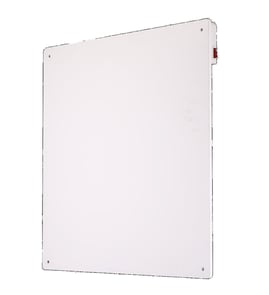

How long does a Williams wall furnace last?
A Williams wall furnace like model 465 typically lasts 15 to 20 years with normal use and basic upkeep. Lifespan depends most on burner cleanliness, proper venting, and keeping the gas and safety controls in good working order.
Typical lifespan and what affects it
Most wall heaters fail early because of heat stress, dust buildup, or venting and combustion issues, not because the cabinet “wears out.”
- Maintenance frequency: annual cleaning and inspection extends life
- Operating hours: heavy, continuous winter use shortens lifespan
- Air quality: dust, pet hair, and lint can overheat components
- Venting and combustion: poor draft or restricted venting accelerates wear
- Gas supply quality: incorrect pressure or contamination can damage controls
Signs your wall furnace is nearing end of life
If you see these patterns, replacement of key components or the full heater becomes more likely.
- Pilot or burner is hard to light or won’t stay lit
- Sooting, strong odors, or visible flame rollout
- Frequent shutdowns (cycling) or inconsistent heat output
- Unusual noises from the burner area or fan (if equipped)
- Corrosion, heat damage, or repeated part failures
Maintenance checklist (high impact)
Use this as a practical baseline for a Williams LPG wall heater.
| Task | How often | Why it matters |
|---|---|---|
| Clean burner and combustion area | Yearly | Helps prevent overheating and poor flame quality |
| Inspect venting and clear obstructions | Yearly | Supports safe draft and stable combustion |
| Check for loose wiring and heat damage | Yearly | Prevents nuisance shutdowns and intermittent operation |
| Verify thermostat operation | Seasonally | Avoids short cycling and uneven heating |
Why it matters
A wall furnace is a fuel-burning appliance; keeping combustion and venting stable protects comfort, efficiency, and the service life of parts like the gas valve, thermocouple, and limit controls.
For safe DIY habits and planning repairs, use our guide: are diy appliance repairs safe.
Last updated: February 2026
Are Williams wall heaters safe?
Williams wall heaters, including model 465, are safe when they’re correctly installed, properly vented (if required), and maintained so the burner and safety controls operate as designed. Most safety problems come from installation issues, blocked airflow, or neglected cleaning, not normal operation.
What “safe” looks like in everyday use
A Williams LPG wall furnace should:
- Ignite smoothly and keep a steady flame (no rumbling or delayed ignition)
- Shut off reliably when the thermostat is satisfied
- Keep the pilot and burner flame stable (not lifting, floating, or yellow and sooty)
- Have clear airflow around the cabinet and grille
- Have no propane odor at any time
Key safety features and what they do
Many Williams wall heaters use safety components such as a safety pilot system and a gas pressure regulator to help prevent unsafe operation.
| Safety-related item | What it helps prevent | What you might notice if it’s failing |
|---|---|---|
| Safety pilot system | Gas flow continuing if the pilot goes out | Pilot will not stay lit, burner drops out |
| Pressure regulator | Over or under-firing from incorrect gas pressure | Weak heat, noisy flame, soot, poor ignition |
| Limit or rollout protection (common on wall furnaces) | Overheating or flame rollout | Heater shuts down unexpectedly |
Safety checks we recommend (do these first)
Because this is an LPG (propane) gas appliance, treat any abnormal smell or flame behavior as urgent.
- If you smell gas: turn the heater off, shut off the gas supply valve, ventilate the area, and contact Sears PartsDirect support or a qualified technician.
- Keep combustibles away (paper, curtains, aerosols, paint, gasoline).
- Keep the front grille and louvers clear; do not block airflow.
- Vacuum dust from the intake and around the burner area (with power off and the unit cool).
- Watch the flame: mostly blue is typical; persistent yellow tipping and soot means service is needed.
Why it matters
A wall furnace runs in a living space, so safe operation depends on clean combustion, correct gas pressure, and proper airflow. Small issues like dust buildup or restricted ventilation can turn into soot, poor heating, or nuisance shutdowns.
For general DIY safety practices before any inspection or repair, use are diy appliance repairs safe.
Last updated: February 2026
Where is the reset button on a wall heater?
On most wall heaters (including many Williams wall furnaces like model 465), the “reset” is a small manual-limit button located behind the front grille or access panel, typically near the burner compartment, fan (if equipped), or high-limit safety switch area. Press it firmly after the heater cools until you feel a click.
Where to look on a Williams 465 wall furnace
Start with the areas that commonly house the high-limit safety:
- Behind the front cover or lower access panel
- Near the heat exchanger area (where the hottest air path is)
- Close to the fan/blower housing (if your unit has a fan)
- Near the gas valve and safety controls area (do not adjust gas settings)
- Along the upper interior panel where a high-limit switch is mounted
Safe reset steps (what we recommend)
Because this is an LPG wall heater, treat it like any fuel-burning appliance and reset only after it cools.
- Turn the thermostat to the lowest setting
- Let the unit cool for 10 to 20 minutes
- Turn off electrical power to the heater (if it uses a power supply)
- Remove the front grille or access panel and locate the small button
- Press the button once, firmly (do not hold it in)
- Restore power and call for heat
What it means if it keeps tripping
A reset that trips repeatedly usually points to an airflow or overheating problem, not a “bad button.”
| Symptom | Most common cause | What to check first |
|---|---|---|
| Heater shuts off after a few minutes | Overheating limit opening | Blocked grille, dust buildup, restricted airflow |
| Works, then trips again the same day | Venting or combustion air issue | Obstructions, room air supply, lint and debris |
| Fan runs but heat cuts out | Weak airflow across heat exchanger | Dirty fan wheel, blocked passages |
| Won’t stay lit (pilot models) | Safety shutting down | Have a qualified technician inspect |
Why it matters
That reset is a safety device designed to stop the heater if temperatures get too high. Resetting without fixing the cause can lead to repeated shutdowns and unreliable heat.
For help finding the correct parts list and diagrams for your exact unit configuration, use how to find your appliance model number (and what it means for parts).
Last updated: February 2026
Why is my gas wall heater not turning on?
For a Williams model 465 LPG wall heater that will not turn on, the most common causes are no propane supply, a closed gas shutoff valve, a pilot that will not light or stay lit, or a safety control (often the thermocouple) not proving flame.
Quick checks we recommend first
- Confirm the propane tank has fuel and the tank service valve is fully open.
- Make sure the manual shutoff valve on the heater gas line is open (handle parallel with the pipe).
- Set the thermostat above room temperature (or set the control knob to a heat setting).
- If it uses a standing pilot, follow the lighting instructions on the heater label.
- After a tank change, hold the pilot lighting position longer to clear air from the line.
What to do based on the symptom
| Symptom | Likely cause | What to do next |
|---|---|---|
| Pilot will not light | Empty tank, closed valve, air in line, blocked pilot | Open valves; purge air; clean pilot opening if accessible |
| Pilot lights but will not stay lit | Weak/dirty pilot flame, thermocouple issue | Clean pilot area; ensure flame heats thermocouple tip; replace thermocouple if needed |
| Pilot stays lit but burner will not come on | Thermostat/control issue, gas valve issue | Verify thermostat is calling for heat; have gas valve checked by a technician |
Safety steps (propane wall heaters)
- Turn the control to OFF and let the heater cool before inspecting.
- If you smell gas, do not try to light the heater; shut off the gas supply and ventilate the area.
- Keep the area around the wall furnace clear so airflow is not restricted.
Why it matters
Ignition problems are often a simple fuel or pilot issue, but repeated pilot failure or burner lockout points to a flame-sensing or safety-control problem that must be corrected for reliable operation.
For safe DIY habits before troubleshooting, use: are diy appliance repairs safe.
Last updated: February 2026