Owner’s manual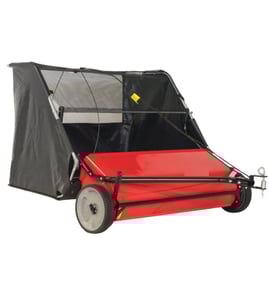
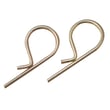




Where can I get Craftsman replacement parts?
For your Craftsman model 486242291 44-inch high-speed sweeper, we recommend buying replacement parts from Sears PartsDirect and other authorized retailers that let you search by the full model number. Using the exact model number helps ensure the brush, bearings, and drive parts fit and work correctly.
Best places to buy Craftsman parts
- Sears PartsDirect: model-based diagrams and model-matched parts lists
- Craftsman (official brand site): good for current product support and common replacement items
- Lowe’s: major Craftsman retailer with broad availability
- Other retailers (online or local): useful for hardware and universal items, but always confirm fit
How to make sure you get the right part
Use these steps before ordering:
- Match the model number exactly: 486242291
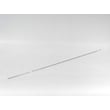
- Compare the part name and ID to your parts list (example: agri-fab lawn sweeper brush 46780)
- Check whether you need left-hand or right-hand parts (example: wheel housings)
- Replace related wear items together when it makes sense (brush, retainers, bushings)
- Confirm hardware sizes (nuts, washers, E-rings) before buying multiples
Common replacement parts for this sweeper
| What you’re fixing | What usually wears | Example part from this model |
|---|---|---|
| Poor sweeping pickup | Brush bristles, brush retainers | Brush, retainer |
| Wheels wobble or bind | Wheel bearing, bushings | Bearing, bushing |
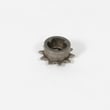
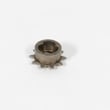
| Brush won’t drive | Drive pin, sprocket gear | Drive pin, sprocket |
Why it matters
A lawn sweeper depends on correct brush height, smooth wheel rotation, and a working drive system. Ordering by model number and matching the exact part ID reduces returns and gets your Craftsman sweeper back to picking up leaves and grass clippings quickly.
For diagrams, part identification, and maintenance guidance, use the 486242291 owner’s manual.
Last updated: February 2026
Will a tow-behind lawn sweeper pick up grass clippings?
Yes. A tow-behind lawn sweeper like the Craftsman 486242291 (44-inch high-speed sweeper) is designed to pick up dry grass clippings, especially when the clippings are light and the lawn is relatively smooth. For best results, set the brush height correctly and sweep before clippings get wet or matted.
Best conditions for picking up clippings
- Sweep when clippings are dry (wet clippings tend to clump and smear)
- Use a moderate towing speed; too fast can skip debris, too slow can reduce lift
- Overlap passes slightly so the 44-inch path does not leave strips behind
- Keep the hopper from overfilling; empty it more often for consistent pickup
- Adjust brush height so the bristles just contact the grass surface
Quick setup checklist (what we recommend)
Use the 486242291 owner's manual to confirm the correct brush height and operating settings for your yard.
| Yard condition | Expected pickup | What to do |
|---|---|---|
| Dry, short clippings | Very good | Normal brush height, steady speed |
| Thick or long clippings | Good | Make 2 passes, empty hopper often |
| Wet clippings or heavy thatch | Fair | Wait to dry, reduce brush pressure |
| Uneven ground | Variable | Slow down, overlap passes more |
When pickup is poor: common causes and fixes
- Brush worn or bent: replace the brush if bristles are short or uneven (see lawn sweeper brush 46780)
- Brush not spinning consistently: inspect the drive hardware and wheel engagement (a worn lawn sweeper drive pin 47046 can cause slipping)
- Brush height set too high: lower it until the bristles lightly flick clippings into the hopper
- Hopper airflow restricted: do not pack clippings down; empty sooner
Why it matters
Grass clippings break down quickly, but leaving heavy windrows can smother turf and create uneven mowing lines. Sweeping right after mowing keeps the lawn cleaner and helps prevent clumps from turning into thatch.
Last updated: February 2026
What is a Craftsman lawn sweeper?
A Craftsman lawn sweeper (like model 486242291) is a tow-behind yard-cleanup attachment that uses rotating brushes to lift debris off the lawn and collect it in a hopper bag, so you can pick up leaves, grass clippings, and light thatch with fewer raking passes.
How it works
A 44-inch high-speed sweeper is pulled behind a lawn tractor. As the wheels roll, the drive system turns the brush shaft; the brushes sweep debris up and back into the hopper.
Common components you will see on Craftsman 486242291 include:
- Hopper bag and frame to hold collected debris
- Brush and brush retainers to sweep material
- Wheel bearings and bushings to support smooth rolling
- Ratchet sprockets and sprocket gear to drive the brush rotation
- Height adjuster knob to set brush-to-ground contact
What you can use it for (and what to avoid)
A lawn sweeper is best for routine surface cleanup.
Good for:
- Dry leaves and light leaf cover
- Grass clippings after mowing
- Pine needles (when dry)
- Small twigs and acorns (in moderation)
Avoid:
- Wet, matted leaves (they clog and reduce pickup)
- Mud, sand, or gravel (accelerates brush and bearing wear)
- Large sticks or rocks (can damage the brush and drive parts)
Quick reference: sweeper vs. alternatives
| Tool | Best for | Tradeoff |
|---|---|---|
| Lawn sweeper | Fast pickup of dry surface debris | Not ideal for wet, heavy piles |
| Leaf rake | Small areas, tight spots | More labor and time |
| Leaf blower | Moving leaves into piles | Still needs pickup or mulching |
Why it matters
Using the sweeper correctly protects the drive system and improves pickup. If performance drops, the first wear items we check are the brush and brush hardware, plus wheel/brush support parts.
For model-specific setup, height adjustment, and operating tips, use the 486242291 owner's manual. If you are restoring pickup performance, the agri-fab lawn sweeper brush 46780 is a common replacement part to inspect.
Last updated: February 2026
How to adjust a lawn sweeper?
On the Craftsman 486242291 44-inch high-speed sweeper, adjustment usually means setting brush height so the brushes flick debris into the hopper without digging into turf. Use the height adjuster knob/handle to raise or lower the brush, then test on a short pass and fine-tune.
Brush height adjustment (most important)
- Park on a flat, hard surface and stop the tractor.
- Set the sweeper so the brush just contacts the ground; avoid heavy downward pressure.
- Make a short test pass on your lawn.
- If it leaves debris behind, lower the brush slightly.
- If it scalps grass, drags heavily, or throws dirt, raise the brush slightly.
- Recheck after the first 5 to 10 minutes of sweeping because brush position can settle.
Quick “what to look for” guide
| What you see | What it means | What to adjust |
|---|---|---|
| Leaves left behind | Brush too high | Lower brush slightly |
| Grass scalping, dirt in hopper | Brush too low | Raise brush slightly |
| Hard to pull, wheels skid | Too much brush load or drive drag | Raise brush; check drive parts |
| Uneven pickup side-to-side | Height or hardware uneven | Level the brush setting; inspect retainers |
If the brush will not stay set
These issues commonly cause the brush height to drift or the sweep to weaken:
- Worn brush sections (replace the brush if bristles are short or uneven)
- Loose brush retainers or hardware on the brush shaft
- Worn bushings or bearings causing brush wobble
- Drive parts slipping (ratchet/sprocket wear)
If your bristles are worn, replacing the brush restores performance fast; use the exact lawn sweeper brush 46780. If the brush is shifting on the shaft, inspect and tighten the lawn sweeper brush retainer 23580 (or the matching retainer used on your unit).
Why it matters
Correct brush height protects your lawn, reduces towing effort, and improves pickup. Running too low wears the brush and can overload the drive system; running too high leaves debris behind.
Model-specific reference
For the exact adjustment points and diagrams for Craftsman model 486242291, use the 486242291 owner's manual.
Last updated: February 2026
What is the best lawn sweeper to buy?
For most homeowners, the best lawn sweeper is a tow-behind unit sized to your yard and towing equipment; a 42 to 50 inch sweep width is the most versatile range for fast leaf and grass pickup. If you already own the Craftsman 486242291 44 inch high-speed sweeper, proper setup and routine parts replacement often delivers the best value; use the 486242291 owner's manual for adjustment and operating basics.
How we recommend choosing the right sweeper
- Match sweep width to your yard size and storage space.
- Choose hopper capacity based on how often you want to stop and dump.
- Prioritize easy brush height adjustment for uneven lawns.
- Pick a tow-behind model if you have a riding mower or lawn tractor.
- Plan for serviceability (brushes, bearings, sprockets) so performance stays consistent.
Quick comparison: common lawn sweeper types
| Sweeper type | Best for | Typical sweep width | What to expect |
|---|---|---|---|
| Tow-behind lawn sweeper | Medium to large yards | 42 to 50 inches | Fast cleanup; needs a tractor or riding mower |
| Push lawn sweeper | Small yards, tight areas | 21 to 26 inches | Lower cost; more effort and smaller hopper |
| Heavy-duty tow-behind | Large lots, heavy debris | 50 inches and up | Fewer passes; larger footprint and higher cost |
If you already have the Craftsman 486242291
These wear items most directly affect pickup and brush rotation:
- Worn or bent brush bristles; consider the agri-fab lawn sweeper brush 46780.
- Loose or damaged brush retainers that let brush sections shift; see the agri-fab lawn sweeper brush retainer 23580.
- Rough or seized wheel bearings that reduce ground drive; check the agri-fab lawn tractor lawn sweeper wheel bearing 45088.
- Drive engagement parts (ratchet sprocket, gears, pins) if brushes stop turning under load.
Why it matters
A correctly sized, correctly adjusted sweeper reduces cleanup time, improves one-pass pickup, and prevents premature wear on the brush and drive system.
Last updated: February 2026