Error Codes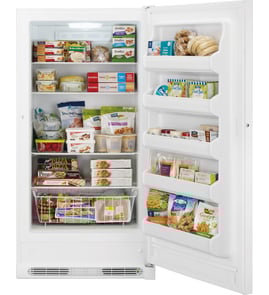


How many cubic feet is a Kenmore freezer model 2539284214?
The exact cubic-foot capacity for Kenmore upright freezer model 2539284214 isn’t provided in the model data we have here. Most Kenmore upright freezers in this style are commonly in the 15 to 20 cu. ft. range; we recommend confirming capacity from the rating label inside the cabinet.
Look for a data plate or rating label and check for “Capacity” or “Total volume.” Common locations:
- Inside the freezer compartment on a side wall
- Along the door liner edge
- Near the lower front kick area (inside the cabinet)
- On the back exterior panel
Capacity is a good proxy for storage and footprint, but it doesn’t tell the whole story.
| Capacity range (cu. ft.) | Typical use case | What you’ll notice |
|---|---|---|
| 13 to 15 | Small household, overflow storage | Narrower cabinet, fewer shelves/bins |
| 16 to 18 | Most common upright size | Balanced storage and floor space |
| 19 to 21+ | Large families, bulk buying | Wider/taller cabinet, more door storage |
Knowing the cubic feet helps us match the right parts and maintenance approach for your 2539284214, especially airflow and defrost-related items. If you’re troubleshooting frost buildup or warm temps, checking the defrost system parts is often a smart next step.
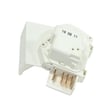
- Upright freezer defrost timer 5304518034 (controls defrost cycles)
- Thermostat 297216600 (helps regulate defrost temperature cut-in/cut-out)
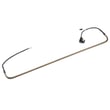
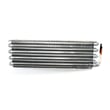
- Freezer defrost heater 5304496687 (melts frost off the evaporator)
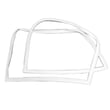
- Freezer door gasket 5304507201 (prevents warm air leaks that cause frost)
Last updated: February 2026
What's the average lifespan of an upright freezer?
Most upright freezers, including the Kenmore 2539284214, typically last 12 to 20 years with normal household use and basic maintenance. Keeping the door sealing tightly and the cooling system clean helps the compressor run less and extends overall life.
- Room conditions: hot garages and tight clearances make the freezer work harder
- Door seal condition: a torn or warped gasket leaks cold air and increases run time
- Frost buildup: heavy frost can point to a defrost problem and reduces efficiency
- Condenser cleanliness: dust buildup raises operating temperatures
- Usage habits: frequent door openings and warm food loads increase wear
- Keep the freezer level so the door closes fully.
- Leave air space around the cabinet for ventilation.
- Clean dust from the condenser area periodically (unplug first).
- Defrost if frost becomes thick enough to interfere with drawers or airflow.
- Inspect the door seal; replace it if it is cracked, stiff, or not gripping paper when the door is closed.
| What you’re dealing with | Typical symptom | Example part for this model |
|---|---|---|
| Air leak at door | Frost, longer run times | Freezer door gasket 5304507201 |
| Defrost system issue | Frost blanket on back wall, warm temps | Upright freezer defrost timer 5304518034 or freezer defrost heater 5304496687 |
| Cooling system/compressor issue | Not freezing, clicking, very hot cabinet sides | Compressor 5304507765 |
A freezer that runs longer than normal uses more electricity and puts extra stress on the sealed system. Catching airflow, gasket, and defrost issues early often prevents food loss and helps the unit reach its full 12 to 20 year service life.
Last updated: February 2026
Where is the model number on a Kenmore upright freezer?
On a Kenmore upright freezer like model 2539284214, the model number is printed on a rating label inside the cabinet or on the exterior cabinet. The most common spots are just inside the door opening, on an interior side wall, or near the top (ceiling) of the freezer compartment.
- Inside the freezer compartment on a side wall liner
- On the ceiling (top interior surface) of the cabinet
- Around the door opening (door jamb area)
- Behind the lower front kick plate or toe grille
- On the back of the cabinet near the bottom
- Open the door and scan the door opening edges first.
- Look up at the interior ceiling and then the left and right interior walls.
- If you do not see it, remove the lower kick plate (if equipped) and check behind it.
- As a last step, check the back of the freezer cabinet.
| What you may see | What it’s used for |
|---|---|
| Model number (example: 2539284214) | Matching the correct parts list and diagrams |
| Serial number | Identifying production run for service history |
| Electrical ratings (volts/amps) | Verifying power requirements |
Using the exact model number helps us match the right Kenmore upright freezer parts the first time, especially for fit-critical items like a door seal or defrost components.
If you’re ordering parts after you find the model number, common items for this model include the freezer door gasket 5304507201 and the upright freezer defrost timer 5304518034.
Last updated: February 2026
Why is my upright freezer leaking water on the floor?
Water on the floor around your Kenmore upright freezer model 2539284214 almost always comes from defrost water not making it to the drain pan. The most common causes are a clogged or frozen defrost drain, a cracked or out-of-position drain pan, or warm air leaks at the door gasket creating excess condensation.
- Unplug the freezer before removing interior panels or working near wiring.
- Look for a sheet of ice on the freezer floor; that points to a frozen/clogged drain.
- Check the drain pan underneath for cracks, warping, or overflow.
- Inspect the door seal for gaps, tears, or areas not sealing flat.
- Confirm the freezer is level (slightly tilted back is typical so the door closes firmly).
A blocked drain lets defrost meltwater back up and spill into the cabinet, then out onto the floor.
- Remove food and shelves near the bottom so you can see the drain trough/hole.
- Melt visible ice with warm (not boiling) water.
- Flush the drain hole with warm water using a turkey baster or squeeze bottle.
- Use a soft pipe cleaner to loosen debris (avoid sharp tools that can puncture plastic).
- After clearing, verify water flows down to the pan underneath.
If the leak is tied to defrosting problems (heavy frost, ice buildup, water after a defrost cycle), these parts are common suspects:
| Symptom you notice | Most likely area | Example part for model 2539284214 |
|---|---|---|
| Water appears after defrosting, frost keeps returning | Defrost control | Upright freezer defrost timer 5304518034 |
| Heavy frost, then water/ice at bottom | Defrost system not completing | Thermostat 297216600 or freezer defrost heater 5304496687 |
| Water in pan but still on floor | Pan shifted or damaged | Drain pan 5304428401 |
A persistent leak can refreeze into a thick ice layer, restrict airflow, and force longer run times. Fixing the drain path and sealing issues helps the freezer hold temperature and prevents repeat puddles.
Last updated: February 2026
What causes an upright freezer to stop freezing?
An upright freezer like Kenmore model 2539284214 usually stops freezing because cold air is not being moved properly, the defrost system is stuck in defrost, the temperature control is failing, or the sealed system (compressor/refrigerant) is not running correctly.
- Confirm the control is set colder and the door is fully closing.
- Listen for the evaporator fan; no fan sound often points to an airflow problem.
- Look for heavy frost on the back interior panel; that commonly indicates a defrost failure.
- Check the door gasket for gaps, tears, or areas that do not seal.
- Make sure the freezer is not overpacked; blocked vents stop airflow.
| Symptom | Likely cause | What to check next |
|---|---|---|
| Warm freezer, heavy frost buildup | Defrost system problem | Test/inspect freezer defrost heater 5304496687 and thermostat 297216600 |
| Freezer warms, fan not running | Evaporator fan issue | Inspect evaporator fan motor 5304442620 and blade 5308000010 |
| Runs too warm or cycles oddly | Temperature control issue | Check thermostat 297216600 and sensor placement/insulation |
| Runs but barely cools, little or no frost pattern | Sealed system issue | Compressor/start components and refrigerant system diagnosis |
These are model-matched parts we often see involved in no-cool or warm-freezer complaints:
- Upright freezer defrost timer 5304518034 (can get stuck in defrost)
- Freezer defrost heater 5304496687 (heater open means ice never melts)
- Thermostat 297216600 (defrost bi-metal thermostat)
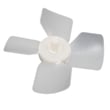
- Evaporator fan motor 5304442620 (no airflow across the evaporator)
- Freezer door gasket 5304507201 (air leaks cause frost and poor temps)
When the freezer cannot move air or cannot defrost, the evaporator coils ice over and airflow drops. That makes temperatures rise even if the compressor is trying to run. Catching a gasket leak or defrost failure early also helps prevent repeated icing and long run times.
Last updated: February 2026