Owner’s manual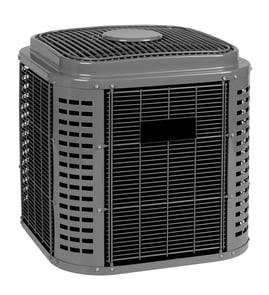




What tonnage is 38CKC042?
The Carrier 38CKC042 condensing unit is a 3.5-ton central air conditioner. In this model numbering style, “042” indicates a nominal capacity of about 42,000 BTU/hr, and 42,000 ÷ 12,000 = 3.5 tons. For operating and maintenance details, use the owner's manual.
- 1 ton of cooling = 12,000 BTU/hr
- “042” model size = 42,000 BTU/hr nominal
- 42,000 ÷ 12,000 = 3.5 tons
- Actual delivered capacity varies with outdoor temperature, indoor airflow, and coil condition
| Model size code | Nominal BTU/hr | Nominal tons |
|---|---|---|
| 024 | 24,000 | 2.0 |
| 030 | 30,000 | 2.5 |
| 036 | 36,000 | 3.0 |
| 042 | 42,000 | 3.5 |
| 048 | 48,000 | 4.0 |
Correct tonnage helps you match the outdoor condensing unit to the indoor coil/air handler and set proper airflow. An oversized or undersized system can cause comfort issues, higher energy use, and humidity problems.
From the maintenance guidance in the owner's manual, we recommend:
- Keep indoor air filters clean and replaced as needed
- Keep indoor and outdoor coils clean
- Have electrical wiring and connections inspected periodically
- Make sure condensate drains are clear (where applicable)
- Schedule regular system checkups to confirm proper operation
Last updated: February 2026
What is the average price for a 3.5-ton AC unit?
A typical installed price for a 3.5-ton central AC system is about $5,000 to $9,000, with many homeowners landing near the middle of that range. Your final cost depends on efficiency (SEER), ductwork condition, electrical upgrades, and whether you are replacing just the outdoor condensing unit or a full split system.
- System type: outdoor condensing unit only vs. full split system (outdoor unit plus indoor coil/air handler)
- Efficiency rating (SEER): higher SEER usually costs more up front
- Ductwork: repairs, sealing, or replacement can add significant labor and materials
- Electrical and pad work: disconnect, wiring, breaker sizing, and a new or re-leveled pad
- Refrigerant work: line set condition, evacuation, and recharge requirements
- Permits and labor rates: vary widely by region and season
Carrier 38CKC042 is the outdoor condensing unit portion of a split system. If you are pricing a replacement, confirm whether you are replacing only the outdoor unit or matching it with an indoor coil for proper capacity and efficiency. For operating and maintenance guidance that can help protect performance, use the owner's manual.
| Scenario | What’s included | Typical installed range |
|---|---|---|
| Outdoor unit replacement | Condensing unit swap, basic startup | $4,000 to $7,500 |
| Full split system replacement | Outdoor unit plus indoor coil/air handler | $5,000 to $9,000 |
| Higher-efficiency upgrade | Higher SEER equipment, possible extras | $7,000 to $12,000 |
A correctly sized and properly matched 3.5-ton system cools efficiently and reduces wear on major components like the condenser fan motor and electrical controls. Regular inspection of wiring, connections, and coils also helps prevent avoidable breakdowns.
Last updated: February 2026
How many sq ft will a 3 ton AC unit cool?
A 3-ton central AC (about 36,000 BTU/hr) typically cools about 1,500 to 2,000 sq ft in an average U.S. home. For a Carrier 38CKC042 condensing unit, the right coverage depends on insulation, windows, ceiling height, ductwork, and local climate; confirm sizing details in the owner's manual.
Use these as practical planning numbers, not a guarantee.
- Mild climates, newer insulation: ~1,800 to 2,000 sq ft
- Mixed climates, average insulation: ~1,500 to 1,800 sq ft
- Hot climates, older or leaky homes: ~1,200 to 1,600 sq ft
- High ceilings, lots of glass, west-facing rooms: size toward the lower end
- Zoned or segmented layouts: may need more capacity than open layouts
A common rule of thumb is ~18 to 24 BTU per sq ft for many homes.
| Home load assumption | BTU per sq ft | 36,000 BTU covers about |
|---|---|---|
| Efficient home | 18 | 2,000 sq ft |
| Average home | 20 | 1,800 sq ft |
| Higher load home | 24 | 1,500 sq ft |
Oversizing and undersizing both cause comfort and cost problems.
- Too large: short cycling, poorer humidity removal, more wear on the compressor
- Too small: runs constantly, struggles on hot days, higher energy use
- Airflow restrictions: reduce capacity and efficiency even if tonnage is correct
The Carrier manual emphasizes airflow and maintenance items that directly affect real-world cooling performance.
- Keep the air filter clean; a clogged filter raises operating cost and shortens system life
- Do not block supply and return registers
- Keep the outdoor unit clear; maintain about 12 inches minimum clearance from tall grass, shrubs, and debris
- Avoid using the power disconnect as a thermostat; use the thermostat properly
- After shutdown, wait at least 5 minutes before changing settings to protect the compressor
If you are replacing equipment, changing windows/insulation, finishing a basement, or your home has comfort issues, a Manual J load calculation gives the correct tonnage and airflow targets.
Last updated: February 2026