




How to tell the year of the Tecumseh engine?
To tell the build year of your Tecumseh engine (model LH318SA-156585H), we use the engine’s identification numbers stamped on the shroud or printed on an ID label. Once you find the model, spec, and serial or date code, the first digits typically map to the production date and year.
Where to find the Tecumseh ID numbers
On most Tecumseh lawn and garden engines, the ID is in one of these spots:
- Blower housing (air shroud) near the spark plug
- Recoil starter housing area
- Under or near the carburetor mounting area
- On a metal tag or sticker on the shroud
- Stamped directly into the sheet metal (not a removable decal)
If you are already working around the fuel system, replacing a leaking carburetor seal like the lawn mower o-ring 631028A can be a good time to clean the shroud and make the stamp easier to read.
How to decode the year from the code
Tecumseh commonly uses a combination of:
- Model number (example: LH318SA)
- Spec number (a build configuration)
- Serial number or date of manufacture (D.O.M.) code
What the code usually tells you
| What you find | What it’s used for | What to record |
|---|---|---|
| Model number | Engine family and basic design | Full model (letters and numbers) |
| Spec number | Exact carburetor, ignition, governor setup | Spec exactly as printed |
| Serial or D.O.M. code | Production date range and year | Entire string, in order |
Many Tecumseh date codes start with digits that represent the production date (often day and year information). Record the full code first; then compare the leading digits to Tecumseh date-code formats to identify the year.
Tips to avoid misreading the stamp
- Wipe the area with degreaser; then use a flashlight at a low angle
- Chalk or a wax pencil over the stamp helps the characters stand out
- Write down the code twice; compare for look-alike characters (5/S, 0/O, 1/I)
Why it matters
The year and spec determine which carburetor, ignition module, and gaskets your LH318SA-156585H uses. That prevents ordering the wrong tune-up or fuel-system parts, especially when Tecumseh made mid-year changes.
Last updated: February 2026
How much horsepower does a Tecumseh LH318SA-156585H have?
The Tecumseh LH318SA-156585H is a 9 HP horizontal-shaft lawn and garden engine (often listed under the LH318SA Snow King family). If you are matching an engine to equipment, horsepower is only one fit factor; shaft size, mounting pattern, and carburetor setup matter just as much.
Quick specs to confirm before you buy parts
To avoid ordering the wrong carburetor, starter, or ignition parts for your LH318SA-156585H, we recommend checking these items on your engine:
- Shaft diameter and length (critical for pulleys and drive systems)
- Shaft keyway size (if your application uses a keyed shaft)
- Starter type (recoil vs. electric start)
- Carburetor style (linkage and choke arrangement)
- Ignition/kill wire setup (stop switch wiring)
Parts that commonly relate to performance and power complaints
If the engine feels weak, surges, or will not hold RPM, the issue is usually fuel delivery, air restriction, or ignition, not the horsepower rating itself. These model-matched parts are common fixes:
- Craftsman lawn & garden equipment engine carburetor 640349
- Tecumseh lawn and garden equipment engine carburetor rebuild kit 632760B
- Craftsman lawn & garden equipment engine air filter 28424
- Needle valve 631021B
- Craftsman lawn & garden equipment engine fuel tank cap 37845
What “9 HP” means in real use
Horsepower is a general output rating; real-world performance depends heavily on tune and load. A partially clogged carburetor, restricted air filter, or a venting fuel cap can make a 9 HP engine behave like a much smaller one.
| Symptom | Most common cause | Part to check first |
|---|---|---|
| Surging at idle | Dirty carb circuits | Tecumseh lawn and garden equipment engine carburetor rebuild kit 632760B |
| Runs then dies | Fuel cap not venting or fuel restriction | Craftsman lawn & garden equipment engine fuel tank cap 37845 |
| Black smoke, rich running | Carb flooding or needle not sealing | Needle valve 631021B |
| Low power under load | Restricted airflow | Craftsman lawn & garden equipment engine air filter 28424 |
Why it matters
Using the correct horsepower rating helps you choose an appropriate replacement engine, but using the correct LH318SA-156585H parts list is what keeps the engine starting easily, running smoothly, and producing full power.
Last updated: February 2026
Why are Tecumseh engines so hard to start?
Tecumseh engines like model LH318SA-156585H usually get hard to start when fuel delivery or airflow is restricted (stale fuel varnish in the carburetor, plugged vent, dirty filter) or when ignition and cranking components are weak. A quick fuel, air, and spark check solves most “hard pull” and “won’t fire” complaints.
Most common causes (and what to check first)
- Old fuel: Drain the tank and carburetor bowl; refill with fresh fuel.
- Carburetor varnish or debris: If it starts only with choke or dies under throttle, the carb is restricted.
- Dirty air filter: A clogged filter can make starting erratic and cause rich running.
- Fuel cap vent restriction: A plugged vent creates vacuum in the tank and starves the carb.
- Worn carb seals or needle issues: Leaks or poor metering can cause flooding or lean starts.
- Weak ignition or kill circuit issue: A grounded stop wire can prevent spark.
Quick troubleshooting steps (10 to 15 minutes)
- Try fresh fuel and confirm the fuel shutoff (if equipped) is open.
- Check the air filter; replace if dirty using the craftsman lawn & garden equipment engine air filter 28424.
- Loosen the fuel cap and try starting; if it improves, replace the cap or vent using the craftsman lawn & garden equipment engine fuel tank cap 37845.
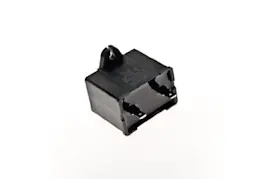
- Inspect the stop wire for chafing or a loose terminal; repair as needed (the craftsman lawn & garden equipment engine stop wire terminal 610973 is a common fix).
- If it still will not start reliably, service the carburetor (clean or rebuild).
Carburetor service: rebuild kit vs replacement
If the engine surges, only runs on choke, or floods easily, carburetor service is the next best step.
| Symptom | Most likely carb issue | Best next step |
|---|---|---|
| Starts then dies | Restricted main jet/passages | Rebuild with Tecumseh lawn and garden equipment engine carburetor rebuild kit 632760B |
| Hard start after storage | Varnish in passages | Rebuild kit or full carb replacement |
| Fuel dripping, plug wet | Needle not sealing | Replace needle using needle valve 631021B |
| Persistent problems | Worn carb body or damage | Replace with craftsman lawn & garden equipment engine carburetor 640349 |
Why it matters
Hard starting is usually a warning that the engine is running too lean, too rich, or not getting consistent spark. Fixing the root cause prevents repeated rope pulls, plug fouling, and premature wear on the starter system.
Last updated: February 2026
What does 318 stand for?
On a Tecumseh engine model like LH318SA-156585H, “318” is typically part of the engine’s model/series identification (often pointing to an approximate engine size class and design family), not a universal code with a single meaning across all products.
Where you’ll see “318” on this engine
On Tecumseh lawn and garden engines, the “318” most often shows up as part of the model string (for example, LH318SA) and is used to match the correct parts list.
- It helps narrow down the correct carburetor, gaskets, and fuel system parts
- It distinguishes this engine family from similar Tecumseh models
- It matters when ordering tune-up and carburetor parts
- It is not an error code or a maintenance interval
Why it matters for parts lookup
Small-engine parts are model-specific; using the full model number LH318SA-156585H prevents ordering the wrong carburetor or seals.
Common “match-by-model” parts for this engine include:
- Craftsman lawn & garden equipment engine carburetor 640349
- Tecumseh lawn and garden equipment engine carburetor rebuild kit 632760B
- Needle valve 631021B
- Craftsman lawn & garden equipment engine carburetor o-ring 632547
Quick guide: model/series vs. part numbers
| Item type | Example on this engine | What it’s used for |
|---|---|---|
| Engine model/series | LH318SA | Identifies the engine family/design |
| Full engine model spec | LH318SA-156585H | Exact parts breakdown for your engine |
| Part ID | 640349 | Identifies a specific replacement part listing |
| Part number | 640349 | Manufacturer number for the part |
If you’re trying to solve a running problem
If the engine is hard-starting, surging, or leaking fuel, the “318” itself is not the cause; it just helps us pick the right fuel-system parts.
- Replace a dirty air filter (example: craftsman lawn & garden equipment engine air filter 28424)
- Check for fuel varnish and stuck float/needle
- Inspect carburetor O-rings for air leaks
- Consider a rebuild kit if the carburetor is gummed up
Why it matters
Using the correct Tecumseh model identification reduces mis-orders and speeds up repairs, especially for carburetor and gasket-related issues.
Last updated: February 2026
Can I use synthetic oil in my Tecumseh engine?
Yes. For the Tecumseh LH318SA-156585H lawn and garden engine, synthetic oil is a normal, safe choice when you match the viscosity to your operating temperatures and keep the oil at the full mark; 5W-30 synthetic is a common all-season option for many 4-cycle small engines.
Choose the right oil for your conditions
Use 4-cycle small-engine oil (not 2-cycle mix oil) and pick viscosity based on temperature.
- 5W-30 synthetic: best for cold starts and wide temperature swings
- SAE 30: best for steady warm-weather mowing
- 10W-30: good for moderate temperatures and mixed use
- Keep the oil level correct; overfilling can cause smoking and leaks
Quick viscosity guide (typical small-engine use)
| Operating conditions | Common viscosity | Typical benefit |
|---|---|---|
| Cold starts, variable temps | 5W-30 synthetic | Easier starting, smoother cranking |
| Mostly warm weather | SAE 30 | Strong hot-weather protection |
| Mild to warm, mixed use | 10W-30 | Versatile day-to-day option |
If the engine smokes after switching to synthetic
Smoking after an oil change usually points to oil level, air flow, or engine wear.
- Verify oil level on a level surface; drain to the correct mark if overfilled
- Check the air filter; restricted air flow can increase oil pull-over (see craftsman lawn & garden equipment engine air filter 28424)
- Look for oil in the air box or breather tube (often tied to overfill or blow-by)
- If smoking continues, switch to SAE 30 and monitor oil consumption
Why it matters
Correct viscosity protects internal parts like the crankshaft and bearings, improves starting, and reduces wear. Synthetic oil can improve cold-start lubrication, but a worn engine may show smoke sooner, so monitoring oil level and consumption is important.
Last updated: February 2026