


Are Kubota attachments universal?
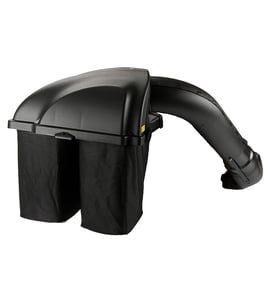
Kubota attachments are not universal. Fit depends on the specific machine and the attachment interface; even within Kubota, compatibility varies by series, mounting style, and capacity. For the Kubota T3014 grass catcher attachment, matching the correct tractor and mounting hardware matters most.
What “universal” usually means (and what it does not)
Many people mean one of these when they say “universal”:
- A standardized quick-attach plate (common on some skid steers and compact track loaders)
- A shared hitch or mounting pattern across a product family
- A PTO-driven implement that can work on multiple tractors
It does not mean every Kubota attachment fits every Kubota machine.
How to check compatibility for a grass catcher like T3014
For a grass catcher attachment, we focus on physical fit and airflow, not just brand.
- Confirm the tractor model and deck size the catcher is designed to fit
- Verify the mounting points (rear bracket, frame mounts, deck discharge location)
- Check chute routing and clearance (tires, lift arms, suspension travel)
- Match bagger/blower drive style (belt-driven vs. other designs)
- Make sure the machine can handle the added weight when bags are full
Quick compatibility checklist
| Item to match | Why it matters | What to look for |
|---|---|---|
| Mounting system | Determines whether it physically installs | Brackets, pins, latch style |
| Deck discharge | Controls chute alignment and airflow | Side discharge position and size |
| Capacity and balance | Prevents poor handling and damage | Rear weight, steering feel |
| Drive method | Ensures the blower spins correctly | Belt path, pulley alignment |
Why it matters
Using a non-matching catcher can cause poor pickup, frequent clogging, belt wear, or interference with the mower deck and frame. Correct fit also helps protect the chute, bags, and mounting hardware.
Helpful next step
If you are comparing models or trying to confirm the exact model tag to match parts correctly, use how to find your appliance model number (and what it means for parts).
Last updated: February 2026
Are zero-turn baggers worth it?
Yes; a zero-turn bagger is worth it when you want a cleaner finish and less cleanup time, especially in heavy growth or leaf season. For a Kubota grass catcher like model T3014, the value comes from better debris collection and easier disposal compared to mulching alone.
When a bagger is a good investment
- You mow weekly and want a consistently tidy lawn surface
- You deal with lots of leaves, pine needles, or seed pods
- You want to reduce clumps that can smother grass
- You prefer collecting clippings for composting or disposal
- You mow in areas where tracked-in clippings are a problem (walkways, patios)
Trade-offs to expect
Baggers add convenience, but they also add maintenance and a few operating changes.
- More parts to maintain (bags, chute, hood, mounting hardware)
- More frequent stops to empty in fast-growing conditions
- Slightly reduced maneuverability and added rear weight
- Best results require keeping blades sharp and airflow paths clear
Quick comparison: bagging vs mulching vs side discharge
| Option | Best for | Typical downside |
|---|---|---|
| Bagging | Clean look, leaf pickup, easy disposal | Emptying time, more upkeep |
| Mulching | Returning nutrients, fewer stops | Can leave clumps if grass is tall/wet |
| Side discharge | Fast mowing in open areas | Messier finish, more cleanup |
Tips to get the most from a bagger
- Mow when grass is dry to reduce chute clogging
- Cut less per pass (avoid removing more than about 1/3 of blade height)
- Keep the chute and hood clear of packed debris
- Empty bags before they are completely full to maintain airflow
- Inspect for cracks, loose fasteners, and worn fabric seams regularly
Why it matters
Good airflow is what makes any grass catcher work. When the deck, blades, and chute stay clean and sharp, a bagger collects more efficiently, reduces thatch-prone clumping, and leaves a more uniform cut.
For model-number confirmation before ordering accessories or replacement items, use how to find your appliance model number (and what it means for parts).
Last updated: February 2026
Can you add a bagger to a zero-turn mower?
Yes, you can add a bagger (grass catcher) to many zero-turn mowers as long as the mower has a compatible mounting kit and deck discharge setup for that bagger system. For Kubota setups like the T3014 grass catcher attachment, the key is matching the bagger to your mower model and deck size.
What you need for a bagger to work on a zero-turn
A typical zero-turn bagger system includes several pieces that must fit your mower:
- Mounting bracket or rear frame support (attaches to the mower frame)
- Hopper or bag frame (supports the bags)
- Bags and top cover (collects clippings and helps airflow)
- Chute or boot (connects the mower deck discharge to the bagger)
- Blower or powered assist (common on larger decks or heavy/wet grass)
Basic install overview (what usually happens)
Exact steps vary by brand and mower, but most installs follow this order:
- Attach the rear mounting bracket and support arms to the mower frame.
- Install the bagger frame and latch points.
- Fit the discharge chute/boot to the deck discharge opening.
- Set the cover on the frame, then hang the bags on the bagger rails or hooks.
- Check clearance for the engine guard, hitch area, and rear tires; then test-run at low throttle.
Compatibility checklist (quick yes/no)
Use this to confirm whether a bagger is a good match.
| Item to match | What to check | Why it matters |
|---|---|---|
| Mower model | Exact model number and series | Mount points differ by frame |
| Deck size | Inches and discharge side | Chute and airflow must align |
| Discharge type | Side discharge vs. rear discharge | Determines chute/boot style |
| Lift/assist | Manual lift vs. powered/blower | Impacts performance in thick grass |
Why it matters
A bagger that is not matched to the mower frame and deck discharge will clog, leak clippings, or sit crooked, which can damage the chute, cover, or mounting points over time.
Helpful tip before you order parts
Confirm your mower’s exact model number and deck size first; then match the bagger kit to that information. Our guide on how to find your appliance model number (and what it means for parts) helps you locate the correct ID so you can choose compatible grass catcher components.
Last updated: February 2026
How to attach a grass catcher to a lawn mower?
To attach a grass catcher, we mount the catcher assembly to the mower’s rear attachment points, then secure the bagger so it sits centered and does not move when you tug on it. For the Kubota T3014 grass catcher attachment, use the mower’s specific mounting hardware and alignment points.
Basic attach steps (works for most rear baggers)
- Park on level ground, set the parking brake, shut the engine off, and remove the key.
- Raise or open the rear discharge cover or chute area (if your mower uses one).
- Position the catcher frame/assembly at the rear of the mower and align it with the mower’s mounting points.
- Engage the frame onto the mounts (pins, slots, hangers, or brackets depending on your setup).
- Install the bag or container and make sure it is fully seated on the frame.
- Do a firm tug-test; the catcher should stay locked in place and sit level.
Fit and safety checks before mowing
| Check | What “correct” looks like | What to do if it’s not correct |
|---|---|---|
| Mount engagement | Frame is fully seated on the mower mounts | Re-align and re-seat; clean debris from mounts |
| Locking method | Any latch, pin, knob, or strap is fully secured | Refasten and tighten; replace missing hardware |
| Discharge alignment | Opening/chute lines up to feed into the catcher | Reposition the adapter/cover so it seals |
| Stability | Minimal rocking; stays centered | Check for bent brackets or loose fasteners |
Common problems and fast fixes
- Won’t seat on the mounts: Clear packed grass and dirt from the mounting area; try again with the frame level.
- Falls off over bumps: Confirm the locking pin/latch/knob is actually engaged and tightened.
- Poor collection or clogging: Mow when grass is dry, slow ground speed, and empty the bag more often.
Why it matters
A correctly mounted grass catcher keeps clippings flowing into the bag, reduces clogging, and prevents the catcher from coming loose and damaging the attachment or mower.
If you are matching hardware or confirming compatibility, use how to find your appliance model number (and what it means for parts).
Last updated: February 2026