 Error Codes




Is GE profile considered high end?
Yes. GE Profile is generally considered GE’s premium (high-end) line, positioned above standard GE appliances because it typically adds upgraded design, more advanced features, and more tech-focused options; GE’s luxury tier is usually Monogram.
Where GE Profile fits (quick lineup)
GE organizes its kitchen and dishwasher offerings in tiers; this helps set expectations for features, styling, and price.
| GE line | Typical positioning | What you usually get |
|---|---|---|
| GE (standard) | Mainstream | Core cycles, practical styling |
| GE Profile | Premium | More features, sleeker finishes, more options |
| Monogram | Luxury | Highest-end design and performance focus |
What “high end” usually means in real use
For a dishwasher like GE model GDT650SYV2FS, “high end” usually shows up as convenience and performance options rather than a totally different basic wash system.
- More cycle and option choices (drying, sanitizing, delay start)
- Quieter operation compared with many entry models
- More refined rack layout and adjustability
- More electronics and sensors managing wash performance
- More emphasis on fit and finish (handles, controls, trim)
Why it matters when you’re troubleshooting or buying parts
Premium lines often rely more on sensors and controls, so symptoms can point to specific components.
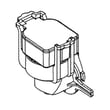
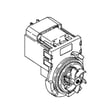
- If you see fill or water-level related issues, a sensor can be involved (example: GE dishwasher pressure sensor WD21X25468).
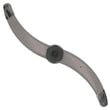
- If cleaning performance drops, spray components are common suspects (example: spray arm WD22X33499).
- If the unit won’t run or shows a code, start with the code meaning and the basic checks before replacing parts.
Helpful DIY references
A practical way to decide if Profile is “high end enough”
Use this checklist when comparing to standard GE or stepping up to Monogram.
- You want quieter operation and more wash options
- You value upgraded styling and controls
- You are comfortable with more electronic components
- You want premium features without luxury pricing
Last updated: February 2026
What is the average lifespan of a GE dishwasher?
A GE dishwasher typically lasts 10 to 12 years. For your GE GDT650SYV2FS, consistent cleaning, correct loading, and fixing small issues early (like poor draining or weak spray) are what most often determine whether it reaches the high end of that range.
Typical lifespan and what changes it
- Normal household use: 10 to 12 years
- Light use and strong maintenance: up to about 15 years
- Heavy daily use, hard water, or neglected cleaning: often shorter
What to do to help it reach 12+ years
- Clean the filter area and sump regularly; remove debris that can strain the wash and drain system.
- Run hot water at the sink before starting a cycle to improve wash performance.
- Use the right detergent amount; too much can leave residue, too little can reduce cleaning.
- Keep spray arms clear; unclog holes so water pressure stays strong.
- Address draining or filling symptoms quickly to avoid pump and seal wear.
Parts that commonly affect longevity (and symptoms)
| What you notice | Common system involved | Example model-compatible part |
|---|---|---|
| Not draining, water left in tub | Drain system | Dishwasher drain pump WD19X25461 |
| Dishes not getting clean | Spray system | Spray arm WD22X33499 |
| Poor drying, water not heating | Heating circuit | Heating element WD05X35098 |
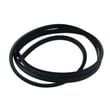
| Leaks at the door edge | Door sealing | Dishwasher tub gasket WD08X23477 |
Why it matters
A dishwasher near the end of its lifespan usually shows up as longer cycles, weaker cleaning, and intermittent draining or heating. Catching those symptoms early reduces stress on high-wear components like the wash pump, drain pump, and seals.
For troubleshooting by display codes, use our GE electronic dishwasher error codes.
Last updated: February 2026
What is the GDT650SYV2FS?
The GE GDT650SYV2FS is a GE 24-inch built-in dishwasher model. We use this model number to match the correct replacement parts and troubleshooting information for your exact dishwasher, such as wash system parts, controls, and door components like the dishwasher door latch lock WD01X29878.
What this model number tells us
For GDT650SYV2FS, the model number identifies the exact GE dishwasher design so you can:
- Order compatible parts (spray arms, pumps, heating, controls)
- Narrow down causes of symptoms like not draining, not cleaning, or not starting
- Avoid look-alike parts that fit other GE models but not yours
- Confirm the right electrical and mounting style when servicing
Common parts customers replace on GDT650SYV2FS
If you are repairing performance issues, these are frequent part categories for this model:
- Water fill and level sensing (for fill problems)
- Wash system circulation (for poor cleaning)
- Drain system (for standing water)
- Door latch and strike components (for won’t start or stops mid-cycle)
- Heating and drying components (for poor drying)
Quick symptom-to-part map
| Symptom | Most common system involved | Example part for this model |
|---|---|---|
| Won’t start or stops | Door latch/door switch | Dishwasher door latch lock WD01X29878 |
| Not cleaning well | Spray and wash circulation | Spray arm WD22X33499 |
| Not draining | Drain pump/hose | Dishwasher drain pump WD19X25461 |
| Not drying | Heater/drying circuit | Heating element WD05X35098 |
Why it matters
Using the exact GDT650SYV2FS model number prevents ordering the wrong GE dishwasher parts and helps us target the most likely causes first, which saves time and avoids repeat repairs.
Last updated: February 2026
What is the most common problem with GE dishwashers?
The most common GE dishwasher problems (including model GDT650SYV2FS) are not draining, not starting, and not cleaning well. In many homes, the root cause is a restriction (filter, sump, drain hose) or a simple “no-fill/no-heat” condition that triggers an error code.
Most common symptoms and what they usually point to
- Water left in the bottom: drain path restriction, drain pump issue, or drain hose routing problem
- Won’t start or stops mid-cycle: door not latching, UI/control issue, or a detected fault condition
- Poor cleaning: clogged spray arms, low water fill, or weak wash circulation
- Poor drying: heater circuit issue, rinse aid issue, or cycle selection
- Leaks: door seal/gasket sealing issue or overfilling/foaming
Quick checks we recommend first (fast, no parts)
- Cancel/drain the cycle and listen for the drain pump running.
- Check the sink drain/garbage disposer connection and confirm the dishwasher drain path is clear.
- Inspect spray arms for blocked jets and confirm they spin freely.
- Verify the door closes firmly and the latch engages.
- If an error code is showing, match it to the fault before replacing parts.
Common parts involved on GDT650SYV2FS
| Symptom | Common suspect | What it affects |
|---|---|---|
| Not draining | Dishwasher drain pump WD19X25461 | Pushes water out to the drain |
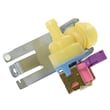
| Not filling or low fill | Water valve assembly WD15X27703 | Lets water into the tub |
| Poor cleaning | Spray arm WD22X33499 | Water distribution and spray pressure |
| Fill/level related errors | GE dishwasher pressure sensor WD21X25468 | Senses water level/pressure |
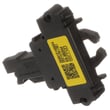
| Won’t start | Dishwasher door latch lock WD01X29878 | Confirms door is closed so the unit can run |
Use error codes to avoid guesswork
If your GE dishwasher is beeping, flashing, or displaying a fault, use GE electronic dishwasher error codes to narrow the problem to a fill, drain, heating, or sensor condition before ordering parts.
Why it matters
Drain, fill, and wash-circulation problems can look similar (dirty dishes, standing water, long cycles). Identifying whether the dishwasher is failing to fill, failing to wash, or failing to drain prevents unnecessary part replacement and gets your GDT650SYV2FS back to normal cycle performance faster.
Last updated: February 2026
What are the commonly replaced parts in a dishwasher?
In the GE GDT650SYV2FS dishwasher, the most commonly replaced parts are the wash and drain components, door/ sealing parts, and spray components because they handle heat, water flow, and daily wear. When cleaning or draining performance drops, these parts are the first places we check.
Most common dishwasher parts that get replaced
- Spray arms and related water distribution parts (clogging, cracks, poor rotation)
- Drain parts (clogs, noisy pump, won’t drain)
- Wash/circulation parts (weak cleaning, grinding noise)
- Door latch and sealing parts (won’t start, leaks)
- Heating and drying parts (poor drying, water not heating)
- Water fill parts (won’t fill, slow fill)
- Racks and baskets (broken wheels, rust, cracked plastic)
Model-matched examples for GE GDT650SYV2FS
These are common replacements we see for this model when symptoms match:
| Symptom | Likely part to check/replace | Example part for this model |
|---|---|---|
| Not draining, standing water | Drain pump or drain hose | Dishwasher drain pump WD19X25461, dishwasher drain hose WD24X10062 |
| Not cleaning well | Spray arm(s) or wash pump | Spray arm WD22X33499, wash pump WD19X32518 |
| Not drying, poor heat | Heating circuit | Heating element WD05X35098 |
| Won’t start or stops mid-cycle | Door latch/lock | Dishwasher door latch lock WD01X29878 |
| Won’t fill or fills slowly | Water inlet valve | Water valve assembly WD15X27703 |
Quick checks before you buy a part
- Clean food debris from the sump area and check for broken glass.
- Spin spray arms by hand; clear blocked spray holes.
- Confirm the drain hose has a proper high loop and is not kinked.
- Run hot water at the sink before starting a cycle to improve wash and dry results.
- If the unit has an error code, match it to the failure area before replacing parts.
Why it matters
Replacing the right part first saves time and prevents repeat failures. For example, a “not draining” complaint is often a clog or hose issue, but a noisy or seized pump points to the drain pump itself.
Helpful troubleshooting resources
Last updated: February 2026
Can I replace dishwasher parts myself?
Yes, for the GE GDT650SYV2FS dishwasher, we can replace many common parts ourselves if we’re comfortable with basic hand tools and safe shutoffs. Simple mechanical items (like spray arms and rack hardware) are usually DIY-friendly; electrical and leak-related repairs take more care.
What’s typically DIY on this model
These repairs are usually straightforward because they involve accessible fasteners and minimal wiring:
- Replace a worn spray arm: spray arm WD22X33499
- Replace a mid-level sprayer: mid spray arm WD22X33498
- Fix a rack that’s not rolling smoothly: dishwasher dishrack roller bracket WD01X35298
- Replace a broken latch so the unit will start: dishwasher door latch lock WD01X29878
- Swap a damaged drain hose (leaks or poor draining): dishwasher drain hose WD24X10062
Repairs that are still DIY, but higher risk
These can be done at home, but we recommend extra caution because they involve water connections, internal seals, or electrical components:
- No fill or slow fill: water valve assembly WD15X27703
- Not draining or draining slowly: dishwasher drain pump WD19X25461
- Poor washing or weak spray (circulation issue): wash pump WD19X32518
- Heating or drying problems: heating element WD05X35098
- Random stopping, dead keypad, or odd behavior: configured machine control board WD21X35479
Safety checklist before you start
- Turn off power at the breaker (do not rely on the door switch).
- Shut off the water supply valve under the sink.
- Protect the floor; keep towels and a shallow pan ready.
- Take photos of wire connectors and hose routing before removal.
- Run a short test cycle after reassembly and check carefully for leaks.
Quick “DIY or call a tech?” guide
| Symptom | Most common area | DIY difficulty |
|---|---|---|
| Dishes not clean | Spray arms, wash pump | Easy to moderate |
| Won’t start | Door latch, control | Moderate |
| Not draining | Drain hose, drain pump | Moderate |
| Not drying | Heating element | Moderate |
| Leaking | Hose, gasket, sump seals | Moderate to advanced |
Why it matters
Dishwasher repairs often come down to restoring proper water flow, heating, and door safety interlocks. Choosing the right repair level helps prevent repeat leaks, nuisance error codes, and unnecessary part replacements. For code-related troubleshooting, we use GE dishwasher error codes.
Last updated: February 2026





