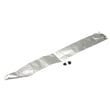



How to replace the bottom door seal on a Whirlpool dishwasher?
On Whirlpool model WDF341PAPM1, replacing the bottom door seal is usually a straightforward swap: remove the old seal from the lower edge of the inner door, clean the channel, then press the new seal in evenly so it seats fully and the door closes without resistance.
Before you start (safety and prep)
- Turn off power at the breaker; do not rely only on the control panel.
- Let the heater cool completely if the dishwasher ran recently.
- Open the door and support it comfortably while you work.
- Take a quick photo of how the old seal sits (orientation and corners).
Replacement steps (typical Whirlpool bottom door seal)
- Open the door fully and locate the bottom door seal along the lower edge of the inner door.
- Remove the old seal by pulling one end free, then work across the length. If it is stuck, use gentle, steady force.
- Clean the seal channel with warm water and mild detergent; remove grit, detergent buildup, and any torn rubber pieces.
- Install the new seal by starting at one end and pressing it into the channel a few inches at a time. Keep it centered and fully seated.
- Check door closure: close the door slowly to confirm it latches smoothly and the seal does not bunch up.
- Test for leaks: run a short cycle and watch the bottom corners of the door for drips.
Common leak causes even after replacing the seal
- Seal not fully seated in the channel (especially at the corners)
- Door not latching tightly (consider the dishwasher door latch WPW10653840)
- Over-sudsing from wrong detergent or too much rinse aid
- Dishwasher not level, causing water to pool at the front
- Spray arm damage or blockage directing water at the door (inspect the dishwasher spray arm WPW10491331)
Quick troubleshooting table
| Symptom | Most likely cause | What we do next |
|---|---|---|
| Drips at bottom corners | Seal twisted or not seated | Re-seat corners; confirm even fit |
| Water during wash only | Spray pattern hitting door | Clean/replace spray arm; verify loading |
| Door feels “loose” | Latch not pulling door tight | Inspect/replace latch |
| Suds leaking out | Wrong soap or too much | Switch to dishwasher detergent; reduce amount |
Why it matters
A properly fitted bottom door seal keeps wash water inside the tub, protects the floor from water damage, and helps the dishwasher maintain correct wash pressure for better cleaning.
Last updated: February 2026
What is the average lifespan of a Whirlpool dishwasher?
A Whirlpool dishwasher like model WDF341PAPM1 typically lasts 10 to 12 years. Consistent cleaning, correct detergent use, and fixing small problems early (draining, heating, spray issues) are the biggest factors that keep a dishwasher running longer.
What affects lifespan the most
- Water quality: hard water speeds up mineral buildup on the heater and inside the sump.
- Cleaning and filter care: a clogged filter makes the pump work harder and reduces cleaning.
- Heating performance: weak heating can leave dishes wet and encourages residue buildup.
- Loading habits: overloading blocks spray and strains racks, wheels, and rails.
- Drain health: partial clogs force longer drain times and can leave dirty water behind.
Maintenance that extends life (simple routine)
- Rinse heavy food off plates; avoid letting seeds, bones, and labels enter the tub.
- Clean the filter area regularly; replace the dishwasher filter if it is damaged or won’t come clean.
- Run a monthly cleaning cycle using a dishwasher cleaner.
- Check that the spray arm spins freely and holes are not plugged.
- Keep the drain path clear and make sure the drain hose is routed correctly.
Common “wear” parts that can shorten life if ignored
| Symptom | Likely area to check | Example part for WDF341PAPM1 |
|---|---|---|
| Dishes not drying, water not heating | Heater circuit | Element assembly W10518394 |
| Poor wash, food left behind | Spray and filtration | Dishwasher spray arm WPW10491331 |
| Standing water in bottom | Drain system | Dishwasher drain pump W10876537 |
| Slow fill or not enough water | Water inlet | Fill valve assembly W11684258 |
Why it matters
Most dishwasher “end of life” failures are really a chain reaction: restricted filtration or poor draining makes the motor and pump work harder, and heating issues leave residue that accelerates buildup. Staying ahead of those basics helps your WDF341PAPM1 reach the full 10 to 12 year lifespan.
Related help: how to clean and maintain your dishwasher
Last updated: February 2026
What's the most common problem with a Whirlpool dishwasher?
For the Whirlpool WDF341PAPM1 dishwasher, the most common problem we see is a drainage issue: water left in the tub because the filter area, drain hose, or drain pump gets restricted. The good news is many “won’t drain” complaints are fixed with cleaning and a quick hose check before replacing parts.
Most common symptoms (and what they usually point to)
- Standing water after the cycle: clogged filter area, restricted drain hose, or a weak drain pump
- Poor cleaning or gritty dishes: dirty filter, blocked spray arm holes, low water fill, or circulation problem
- Cloudy glassware: hard water, too much detergent, or poor rinse aid use
- Not drying well: rinse aid empty, heater issue, or door not closing fully
- Won’t start or stops mid-cycle: door latch not engaging, control reset needed
Quick checks we recommend first (10 to 15 minutes)
- Cancel/drain the cycle and listen for the drain motor running.
- Clean the filter area and remove debris from the sump.
- Inspect the drain hose routing for kinks and make sure the high loop is in place.
- Spin and rinse the spray arm; clear any plugged jets.
- If the unit is unresponsive, perform a reset using the steps in how to reset a Whirlpool dishwasher.
Parts that commonly solve these problems on WDF341PAPM1
| Problem you notice | Likely part area | Example part for this model |
|---|---|---|
| Won’t drain, hums, or drains slowly | Drain system | Dishwasher drain pump W10876537 |
| Poor wash, weak spray | Spray system | Dishwasher spray arm WPW10491331 |
| Grit, odor, redepositing soil | Filtration | Dishwasher filter WPW10463906 |
| Door won’t latch, won’t run | Door switch/latch | Dishwasher door latch WPW10653840 |
Why it matters
Drain restrictions and dirty filters make the dishwasher recirculate dirty water. That leads to poor cleaning, odors, and longer cycle times. Fixing the drain path early also helps prevent pump strain and repeat clogs.
Last updated: February 2026