Owner’s manual
 Error Codes


Why does an LG sensor dry dryer take so long to dry?
On the LG DLG7301VE sensor dry cycles, long dry times almost always come from restricted airflow (lint filter or venting) or the moisture-sensing system not reading correctly. If airflow is limited, the dryer cannot move enough hot air through the load, so the control keeps extending the cycle.
Quick checks that fix most “takes forever” complaints
- Clean the lint screen before every load; if it is coated with fabric softener residue, wash and fully dry it.
- Check the outside vent hood while the dryer runs; you should feel strong, steady airflow.
- Inspect the vent run behind the dryer for crushing, kinks, or excessive length and elbows.
- Avoid overloading; packed loads block airflow and confuse sensor dry.
- Do not mix heavy towels with lightweight items in the same sensor cycle.
For LG’s model-specific operating and maintenance guidance, follow the airflow and cleaning sections in the DLG7301VE manual.
When it is likely a part issue (not just venting)
If the venting is clear and you still see long cycles, damp clothes, or time remaining that keeps increasing, these parts are common suspects on sensor dry:
- Moisture sensor bars are dirty or failing
- Thermostat is opening too early (heat cycling too much)
- Blower system is weak (air movement problem)
Parts that commonly relate to long dry times on this model
| Symptom | What it affects | Example compatible part |
|---|---|---|
| Sensor cycles never finish, clothes still damp | Moisture detection | Dryer moisture sensor 6500EL3001A |
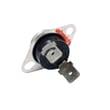
| Dryer heats but cycles heat too often, long run time | Temperature control | Dryer high-limit thermostat AGM30045804 |
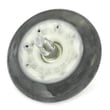
| Weak airflow, rumbling, lint buildup inside | Air movement | Dryer blower wheel 5835EL1002A |
Why it matters
Long dry times are more than an inconvenience; restricted airflow raises operating temperatures, wastes energy, and can lead to repeated overheating shutoffs that shorten the life of components.
A simple “prove it” test
Run the built-in duct check described in the DLG7301VE manual. If the dryer indicates restriction, correct the venting first before replacing parts.
Last updated: January 2026
How to reset an LG sensor dry dryer?
On the LG DLG7301VE, there is not a dedicated “sensor dry reset” button; most “reset” situations are either clearing Control Lock, power-cycling the control, or correcting airflow/sensor conditions so Sensor Dry can read moisture normally. For model-specific button functions, use the DLG7301VE manual.
Quick reset steps (safe and effective)
- Press POWER to turn the dryer off.
- Unplug the dryer (or switch the breaker off) for 1 minute, then restore power.
- Turn the dryer on and try a Sensor Dry cycle again.
- If the panel beeps and won’t start, turn off Control Lock (see below).
- If drying times are long, clean the lint filter and check venting before assuming a control problem.
If the dryer beeps and won’t run: Control Lock is on
The DLG7301VE uses a Control Lock feature that disables most buttons.
- Turn the dryer on.
- Press and hold the button labeled Control Lock for 3 seconds.
- Confirm the Control Lock icon turns off, then press START/PAUSE.
If Sensor Dry is inaccurate: clean the moisture sensor
Sensor Dry relies on metal sensor bars inside the drum area; residue can cause early shutoff or long dry times.
- Turn off power and let the drum cool.
- Wipe the sensor bars with rubbing alcohol on a soft cloth.
- Avoid abrasive pads that can scratch the bars.
- If the sensor is damaged or readings stay erratic, the sensor circuit may need inspection.
If you’re replacing the sensor, match it to this model: dryer moisture sensor 6500EL3001A.
Airflow check (often the real “reset”)
Restricted airflow can trigger Flow Sense warnings and poor Sensor Dry performance.
| What you notice | What to check first |
|---|---|
| Long dry times | Lint filter, vent hose kinks, outside vent hood |
| Flow Sense bars or d90/d95 | Duct blockage, crushed duct, too many elbows |
| Clothes damp in spots | Load size, bulky items balling up, sensor bars dirty |
A step-by-step overview is in our dryer takes a long time to dry article.
Why it matters
On the DLG7301VE, Sensor Dry adjusts time based on moisture readings and airflow; “resetting” usually means restoring normal sensor contact and exhaust flow so the control can calculate drying time correctly.
Last updated: January 2026
What is the most common problem with LG dryers?
For LG dryers like model DLG7301VE, the most common issue we see is long dry times or “not drying”, usually caused by restricted airflow (lint buildup in the lint filter, blower area, or vent duct). The next most common complaint is noise from normal wear parts in the drum support and drive system. For cycle and airflow checks, use the DLG7301VE manual.
Most common issues (and what usually causes them)
- Clothes take too long to dry: clogged lint filter, crushed/long vent run, blocked outside vent hood
- No heat or weak heat: airflow restriction, thermostat/sensor issues, or (gas models) ignition problems
- Thumping, rumbling, squealing: worn rollers, idler pulley, or belt
- Stops mid-cycle or odd behavior: door switch, moisture sensor, or control-related problems
Quick checks we recommend first
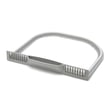
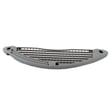
- Clean the lint screen before every load; if it is damaged or not fitting well, replace the dryer lint screen by LG 5231EL1001C.
- Check airflow at the outside vent while the dryer runs; weak airflow points to a vent restriction.
- Run the built-in duct check (Flow Sense) described in the manual.
- If the dryer is noisy, listen for where the sound comes from (front, rear, or under the drum).
Common symptoms and likely parts (DLG7301VE)
| Symptom | Most likely area | Example compatible part for this model |
|---|---|---|
| Long dry times | Airflow/venting, lint path | Dryer blower wheel 5835EL1002A |
| Rumbling or thumping | Drum support | Dryer drum support roller 4581EL2002L |
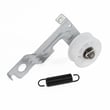
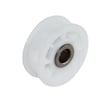
| Squealing | Belt tension system | LG dryer idler pulley 4561EL3002A |
| Overheating or shuts heat off | Safety thermostats | Dryer high-limit thermostat AGM30045804 |
Why it matters
Airflow problems do more than slow drying; they can also trigger Flow Sense alerts, increase energy use, and overheat components. Fixing airflow early often prevents repeat breakdowns.
Helpful DIY references
Last updated: January 2026