


How do I know if my AC is 410A or R-22?
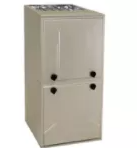
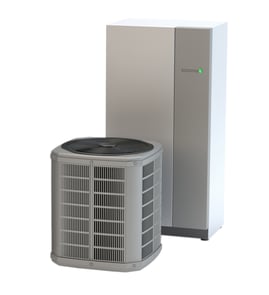
For your York D7CG060N07925 heating and cooling combined unit, we identify whether it uses R-410A or R-22 by checking the unit’s rating plate (data tag) on the outdoor cabinet; the refrigerant type is printed there as “R-410A” or “R-22.”
Check these common locations on packaged heating and cooling units:
- Inside the control/access panel door
- On the exterior cabinet near the electrical disconnect area
- Near the compressor compartment panel
- On a corner post or near the model and serial number label
The rating plate typically lists several key specs. Look specifically for the refrigerant line.
| Label item | What to look for | Why it helps |
|---|---|---|
| Refrigerant | “R-410A” or “R-22” | Confirms the exact refrigerant |
| Factory charge | Amount in lbs/oz | Helps a tech charge correctly |
| Design pressures | High/low side values | Indicates system rating |
| Model/serial | D7CG060N07925 and serial | Confirms you are reading the right tag |
R-410A and R-22 systems use different operating pressures and service procedures. Using the wrong refrigerant, gauges, or charging method can damage the compressor and create a safety risk.
Use these practical checks that often narrow it down:
- Age clue: Units installed in the mid-2010s or later are commonly R-410A; older systems are often R-22.
- Service ports: Many R-410A systems use different style service fittings than older R-22 setups.
- Ask for a safe verification: A technician can confirm refrigerant type during a service visit without guessing.
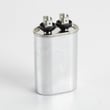
If you are troubleshooting a no-cool or hard-start complaint, electrical parts (not refrigerant) are often the first DIY checkpoint. For example, a weak run capacitor can prevent the compressor or fan motor from starting.
- Consider matching the capacitor by its MFD and voltage rating before ordering
- Use a meter with capacitance testing if available
- Replace only with the same rating and mounting style
Helpful part examples for this model include the capacitor 12910 and capacitor TRCF5.
Last updated: February 2026
How many square feet will a 60,000 BTU furnace heat?
A 60,000 BTU furnace typically heats about 1,500 to 2,500 square feet, depending on your climate zone, insulation, ceiling height, and duct losses. For your York D7CG060N07925 heating and cooling combined unit, the “right” coverage is the size that matches your home’s heat loss.
Use these common ranges to estimate coverage for 60,000 BTU:
- Mild climates, tight/insulated homes: ~2,000 to 2,500 sq ft
- Moderate climates, average insulation: ~1,700 to 2,100 sq ft
- Cold climates or older/leaky homes: ~1,200 to 1,700 sq ft
- High ceilings (9 ft+): reduce the estimate by ~10% to 20%
- Lots of glass or poor ductwork: reduce the estimate further
Square footage alone can mislead. We size heating by heat loss (often called a Manual J style approach). Use this checklist:
- Confirm your climate zone (cold vs. mild winter design temps)
- Note insulation levels (attic, walls, windows)
- Account for ceiling height and open floor plans
- Consider duct location (attic/crawlspace ducts lose more heat)
- Compare comfort symptoms (cold rooms, short cycling, uneven temps)
| Home and climate condition | Typical BTU/sq ft | 60,000 BTU coverage |
|---|---|---|
| Tight, well-insulated, mild | 25 to 30 | ~2,000 to 2,400 sq ft |
| Average, moderate | 30 to 35 | ~1,700 to 2,000 sq ft |
| Older/leaky, cold | 35 to 50 | ~1,200 to 1,700 sq ft |
Oversizing can cause short cycling, temperature swings, and higher wear on components like the blower motor and controls. Undersizing can leave you cold on the coldest days and run the system nonstop.
If your unit is not heating well or the blower is acting up, an HVAC technician often checks electrical components like the run capacitor. For this model, we list capacitors such as the capacitor 12910.
Last updated: February 2026
How much is a combined heating and cooling system?
A combined heating and cooling system (like a packaged HVAC unit) typically costs about $8,000 to $18,000 installed for many homes; higher-efficiency equipment, ductwork changes, electrical upgrades, or crane placement can push totals higher. For your York D7CG060N07925, the exact price depends on capacity, fuel type, and installation scope.
- System type: packaged gas/electric vs. heat pump packaged unit
- Size (tons/BTUs): larger capacity usually costs more
- Efficiency ratings: higher SEER2/HSPF2/AFUE typically increases equipment cost
- Ductwork condition: repairs, sealing, or resizing add labor and materials
- Electrical and controls: disconnect, breaker, thermostat, and wiring updates
- Access and placement: roof curb, crane lift, and permits can be significant
| Scenario | Typical installed range | Notes |
|---|---|---|
| Like-for-like packaged unit replacement | $8,000 to $14,000 | Minimal duct/electrical changes |
| Higher-efficiency upgrade | $12,000 to $18,000 | More expensive equipment, possible control changes |
| Replacement plus ductwork or major electrical work | $15,000 to $25,000+ | Scope varies widely by home |
- Confirm the exact model number and data plate info (York D7CG060N07925)
- Ask whether the quote includes permits, crane/roof work, and disposal
- Verify ductwork is inspected for leaks, restrictions, and sizing
- Confirm thermostat compatibility and any control board or wiring changes
- Compare labor warranty terms separately from parts coverage
Packaged heating and cooling units combine major components (compressor, blower, heat section, controls) in one cabinet; installation details like duct transitions, airflow setup, and electrical connections often make as much difference in total cost as the equipment itself.
If you are repairing instead of replacing, we list common electrical parts for this model, such as the capacitor 12910, which is often involved in blower or condenser fan motor starting and running issues.
Last updated: February 2026
Is it cheaper to repair or replace HVAC parts?
For a York D7CG060N07925 heating and cooling combined unit, it’s usually cheaper to repair when the problem is isolated (like a failed capacitor) and the system is otherwise reliable. Replacement makes more financial sense when repair costs stack up, major components fail, or the unit is in the typical end-of-life range.
- Repair when the issue is a single, common wear part (capacitor, fuse, wiring connection).
- Repair when the unit has been dependable and this is the first major service event.
- Replace when you’ve had repeated breakdowns in the last 1 to 2 seasons.
- Replace when a major component fails (compressor, coil, heat exchanger) and the quote is high.
- Replace when comfort is inconsistent (hot/cold spots, humidity problems) even after repairs.
- Replace when you want lower operating costs and your current unit is older and inefficient.
Most packaged HVAC units like this run about 15 years with normal maintenance. If your D7CG060N07925 is near that age and needs an expensive repair, replacement usually wins long-term because you avoid repeat service calls and gain efficiency.
| Situation | Usually cheaper | Why |
|---|---|---|
| Small electrical part failed (capacitor, fuse) | Repair | Low part cost, fast fix |
| One-time repair on a newer unit | Repair | Extends life at low risk |
| Multiple repairs in a short period | Replace | Reliability and downtime become costly |
| Major sealed-system or heat section repair | Replace | High labor and high future risk |
If your symptoms point to a weak or failed run capacitor (humming, hard starts, fan not spinning), checking the capacitor is a common first step. For this model, we list capacitors such as the capacitor 12910 and capacitor TRCF5.
Choosing repair vs. replace is really about total cost over the next few years, not just today’s invoice. A low-cost repair that restores safe, stable operation is a win; repeated repairs and high energy use usually signal it’s time to move on.
Last updated: February 2026