

Are radial arm saws worth anything?
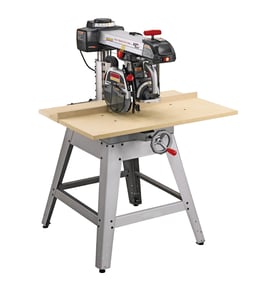
Yes. A Craftsman radial arm saw like model 11329402 can be worth money and worth keeping if it is complete, runs smoothly, and can be tuned for accurate crosscuts and dadoes. Most value comes from condition, included accessories, and local demand, not from age alone.
- Motor health: starts quickly, reaches speed, no burning smell, minimal sparking at brushes
- Arm and carriage condition: slides smoothly with no binding, excessive play, or damaged bearings
- Table and fence: flat, not water-damaged, fence straight and secure
- Completeness: blade guard, anti-kickback parts, yoke and bevel locks, hardware, original accessories
- Rust and storage history: light surface rust is common; heavy pitting lowers value
- Electrical condition: intact cord, switch works reliably, no cracked insulation
| Condition | What it usually means | Typical range (USD) |
|---|---|---|
| Parts-only | missing guard, rough bearings, motor issues | $0 to $50 |
| Working, needs tune-up | runs but needs alignment, worn table | $50 to $150 |
| Clean and complete | smooth travel, good table/fence, safe guarding | $150 to $300+ |
Radial arm saws still shine for wide crosscuts, repeatable cut setups with stops, and dadoes/rabbets when the saw is properly aligned and guarded. They are less forgiving for ripping than a table saw, so setup and technique matter.
- Unplug the saw; verify the carriage rolls freely and locks hold firmly.
- Inspect the guard and return spring action; missing safety hardware reduces value.
- Check for arm twist or obvious misalignment from impact.
- Test the switch and cord; replace damaged wiring before use.
- Plan on a tune-up: cleaning, lubrication, and alignment are normal for older saws.
A tuned radial arm saw can be a very capable shop tool, but condition and safety components determine whether it is a bargain, a restoration project, or a parts donor. If you are evaluating electrical issues during a tune-up, use a safe testing approach like our how to use a multimeter to test electrical parts video.
Last updated: February 2026
What are common problems with radial arm saws?
Common problems with the Craftsman 11329402 10-inch accra-arm radial saw include inaccurate cuts, rough or binding travel on the arm, excessive vibration, and electrical issues like a saw that will not start. Most problems trace back to alignment, worn mechanical parts, or a power and switch fault.
- Inaccurate cuts (out of square, inconsistent length): fence not straight, table not flat, arm or yoke alignment off, blade not true
- Blade drifts or burns wood: dull blade, wrong blade type for the material, feed rate too slow, blade installed incorrectly
- Carriage does not slide smoothly: dirty or dry tracks, pitch buildup, worn bearings/rollers, bent arm components
- Excessive vibration or noise: damaged blade, loose arbor hardware, worn bearings, saw not bolted down securely
- Motor hums but blade does not spin: seized bearings, binding blade, weak start circuit (on some motors), low voltage
- Will not start or cuts out: bad switch, damaged cord/plug, loose wiring connection, tripped breaker
- Unplug the saw before any inspection or adjustment.
- Confirm the blade is sharp, clean, and correct for crosscutting or ripping.
- Check that the fence is straight and firmly secured; replace sacrificial fence faces if chewed up.
- Clean sawdust and pitch from the arm and carriage path; then apply a light dry lubricant where appropriate.
- Verify the saw is mounted solidly to a stable bench or stand.
- If it will not start, inspect the cord and switch area; test power safely with a meter.
| Symptom | What to check first | Next step |
|---|---|---|
| Cuts not square | Fence and table flatness | Realign arm/yoke, then recalibrate stops |
| Carriage binds | Debris on tracks | Inspect rollers/bearings for wear |
| Vibration | Blade condition and tightness | Check arbor and motor bearings |
| Will not start | Outlet and breaker | Test switch and cord continuity |
A radial arm saw that is out of alignment or has worn bearings can pull the work, kick back, and ruin cut accuracy. Keeping the fence, table, carriage travel, and electrical connections in good shape improves both safety and repeatable cuts.
For electrical testing steps and safe meter use, we recommend our how to use a multimeter to test electrical parts video.
Last updated: February 2026
When did Craftsman stop making radial arm saws?
Craftsman radial arm saws like model 11329402 were largely discontinued in the early 1990s; most were no longer sold new through Sears by about 1992, with some smaller versions continuing a bit longer. The market shifted toward miter saws as safety expectations and guarding designs evolved.
For parts research and “how old is it” questions, we treat Craftsman radial arm saw production as falling into these common eras:
| Era | What it usually means for Craftsman radial arm saws | What to do next |
|---|---|---|
| 1950s to 1992 | Most Craftsman radial arm saws were sold in this window | Use the exact model number to match parts and diagrams |
| 1993 to mid-1990s | Some limited models continued briefly | Confirm the exact size and guard style before ordering |
| Late 1990s to today | Craftsman-branded radial arm saws are uncommon | Consider refurbishing wear items and verifying electrical condition |
Several factors pushed radial arm saws out of the mainstream:
- More emphasis on modern blade guarding and safer work practices
- Miter saws became the go-to tool for crosscuts and trim work
- Radial arm saws require careful alignment (arm, yoke, fence) to cut accurately
- Many owners used them for ripping, which increases kickback risk if setup is off
Even without a manual listed for this model, these checks help you decide what to repair first:
- Power and wiring: inspect cord, switch, and any brittle insulation
- Motor health: listen for bearing noise, check for burning smell, verify smooth spin by hand (unplugged)
- Carriage travel: confirm the carriage rolls smoothly and locks securely
- Arm and yoke locks: verify they clamp firmly without slipping
- Blade and arbor: confirm correct blade size and that the arbor nut tightens properly
Knowing the likely production era helps you set expectations for parts availability and safety upgrades. With older power tools, condition and correct setup (alignment, locks, guarding, wiring) matter as much as the brand or model.
For help locating the correct model identification details before shopping, use how to find your appliance model number (and what it means for parts).
Last updated: February 2026