 Installation guide
 Owner’s manual


Is it worth repairing a GE microwave?
Yes, repairing a GE microwave is usually worth it when the fix is a common, lower-cost part (especially door-interlock or safety-switch issues) or when the unit is a built-in model like GE PSB9240SF5SS, where replacement can involve extra installation work. If the failure is in high-voltage heating components or multiple boards, replacement often makes more sense.
Quick way to decide (repair vs replace)
Use this checklist to make a confident call:
- Repair is usually worth it when the microwave still runs normally but has a specific symptom (won’t start, stops when door moves, light out, turntable not turning).
- Repair is usually not worth it when there’s no heat, burning smell, repeated blowing of breakers, or multiple symptoms at once.
- Built-in models often justify repair because removal, trim fit, and cabinet cutout compatibility add time and cost.
- If the issue is door-related, start with the interlock system (switches and latch boards).
- If the issue is power or heating-related, expect higher parts and labor.
Common repairs for PSB9240SF5SS that are good bets
These are frequent, targeted fixes that often restore normal operation:
- Door won’t start or starts only when you lift/push the door: check the interlock switches and latch alignment.
- Runs but stops when the door is bumped: inspect latch boards and switch mounts.
- Dead display or intermittent power: check power supply connections and internal protection devices.
- Sparking in the cavity: inspect and replace a damaged waveguide cover.
Example part cost comparison (parts only)
| Repair type | Typical complexity | Example part for this model |
|---|---|---|
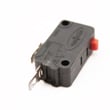
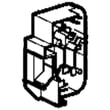
| Door interlock/switch issue | Low to medium | Primary switch WB24X10047 |
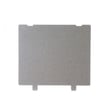
| Cavity sparking protection | Low | Microwave waveguide cover WB06X10828 |
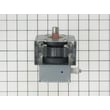
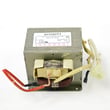
| High-voltage heating issue | High | Microwave high-voltage transformer WB17X10030 |
Why it matters
Microwaves contain high-voltage components that can store dangerous energy even when unplugged. The PSB9240SF5SS owner’s manual also notes that servicing beyond basic user procedures is generally best handled by qualified service personnel. Using the right repair path protects your safety and prevents repeat failures.
What we recommend you do next
- Confirm the symptom (no power, no heat, won’t start, sparking, noisy).
- Check the door closes squarely and latches smoothly.
- If it’s a door-start issue, prioritize interlock switches and latch boards.
- If it’s a heating issue, consider total repair cost versus replacement.
- Use the PSB9240SF5SS installation guide if the unit must be removed from the cabinet.
Last updated: February 2026
What are common problems with GE profile microwaves?
Common problems we see on GE Profile built-in microwaves like model PSB9240SF5SS include no heat, arcing (sparking), a turntable that will not rotate, door latch or interlock issues, and control/display glitches. Many symptoms trace back to door switch circuits, overheating protection, or normal-use issues like metal in the cavity.
Quick symptom-to-cause guide
| Symptom | Most common causes | What to do first |
|---|---|---|
| Runs but does not heat | High-voltage circuit issue, overheating protection tripped | Stop using; check for error symptoms and schedule service if needed |
| Turntable not spinning | Turntable drive parts worn, tray support binding | Reseat tray and support; confirm nothing is rubbing |
| Will not start or stops when door moves | Door interlock/monitor switch or latch alignment | Inspect door closing feel; do not bypass switches |
| Sparking/arcing inside | Metal/foil contact, wrong rack/cookware, damaged waveguide cover | Press Cancel/Off; remove metal; correct cookware |
| Clicking or fan cycling | Relay switching components on/off | Normal during cooking in many cases |
What to check before replacing parts
- Remove any metal items (twist ties, foil edges, gold-rimmed dishes) and retry; arcing is commonly caused by metal contact.
- If you see arcing, press Cancel/Off and correct the cause before continuing.
- Make sure the turntable is installed and can rotate freely; the oven should not be operated without the turntable in place.
- For speedcook or microwave cooking, do not use a wire oven rack that is not intended for that mode because it can cause arcing.
- If the unit acts dead after a power event, check the home breaker/fuse first.
Parts that commonly relate to these symptoms (PSB9240SF5SS)
These are frequent suspects when the door will not latch correctly, the unit will not start, or it stops mid-cycle:
- Primary switch WB24X10047 (door interlock)
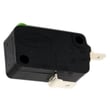
- Monitor switch WB24X25397 (safety monitor circuit)
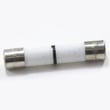
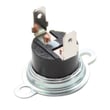
- Microwave thermal cut-off WB21X10148 (overheat protection)
Why it matters
Microwaves use high voltage internally, and door interlock problems or arcing are safety-related. Correcting cookware and door-closing issues early helps prevent repeat shutdowns, nuisance tripping, and damage to internal components.
For operating limits, cookware guidance, and mode-specific rack usage, follow the PSB9240SF5SS owner's manual.
Last updated: February 2026
What's the average lifespan of a GE microwave?
A GE microwave typically lasts 8 years. For a built-in model like GE PSB9240SF5SS, we see most units run reliably for 5 to 10 years depending on daily use, ventilation, and keeping the cavity and door seals clean; heavy use shortens life.
Typical lifespan ranges (what to expect)
Most microwaves fall into these real-world ranges:
- Light use (few minutes/day): 9 to 12 years
- Average use (10 to 20 minutes/day): 7 to 10 years
- Heavy use (multiple cycles/day): 5 to 8 years
- Poor airflow or frequent overheating: 3 to 6 years
| Usage pattern | Typical lifespan | What usually fails first |
|---|---|---|
| Light | 9 to 12 years | Door switches, light, turntable parts |
| Average | 7 to 10 years | Interlock switches, control issues |
| Heavy | 5 to 8 years | Magnetron-related heating system, thermal protection |
What shortens microwave life fastest
These are the most common life-reducers we see in built-in microwaves:
- Running the microwave empty (can damage internal components)
- Repeated arcing/sparking from metal racks, foil, or damaged cavity surfaces
- Blocked or greasy vents that trap heat (overheats electronics)
- Slamming the door (stresses the latch and interlock system)
- Skipping basic cleaning, especially around the door and waveguide area
Parts that commonly wear out on this model
If your PSB9240SF5SS starts acting up, these parts are frequent culprits:
- Door won’t start or stops when you close the door: primary switch WB24X10047
- Blows a fuse or won’t run when the door is shut: monitor switch WB24X25397
- Shuts off mid-cycle or seems heat-sensitive: microwave thermal cut-off WB21X10148
Why it matters
Microwaves often “seem fine” right up until a safety or heat-protection part trips. Knowing the normal lifespan helps you decide whether a repair (like an interlock switch) makes sense versus planning for replacement.
For model-specific operating and care guidance, follow the cleaning, cookware, and usage recommendations in the PSB9240SF5SS owner’s manual.
Last updated: February 2026


