



Why don't plumbers like garbage disposals?
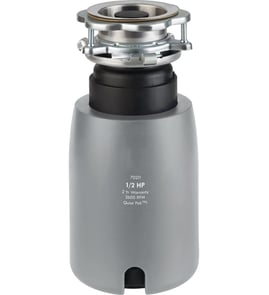
Plumbers often dislike garbage disposals because they lead to more drain clogs, slow drains, and leaks when people treat the disposal like a trash can. With a KitchenAid KCDS250X3 garbage disposal, the unit may grind food smaller, but that waste can still build up in the trap and branch drain.
What typically causes the problems
Most service calls come from what goes into the disposal, not the motor itself.
- Grease, fats, and oils: cool and coat pipes, then trap other debris
- Starchy foods (rice, pasta, potatoes): swell and turn into paste
- Fibrous foods (celery, corn husks, onion skins): wrap and snag in the grind area
- Coffee grounds: settle like sand and pack into the trap
- Eggshells: can create gritty buildup in the drain line
- Bones, fruit pits, and hard scraps: can jam the grind mechanism
What plumbers prefer you do instead
Using the disposal as a “rinse assist” (not a food-waste bin) prevents most backups.
| Best practice | Why it helps | What to do |
|---|---|---|
| Scrape plates into the trash/compost | Less solids in the drain line | Wipe pans and plates first |
| Run cold water while grinding | Helps carry debris through | Keep water running 15 to 30 seconds after |
| Feed small amounts | Prevents packing and jams | Add scraps gradually |
| Avoid grease | Prevents pipe coating | Pour grease into a container, not the sink |
When it becomes a repair issue (not just a clog)
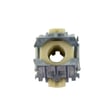
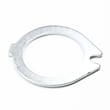
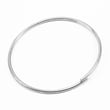
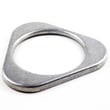
If you see leaks at the sink flange or hear unusual vibration, the mounting and sealing parts may need attention. For this model, common related parts include the garbage disposal mounting gasket WP4211334 and the whirlpool garbage disposal mounting flange 4211304.
Quick checks we recommend
- Turn off power at the breaker before inspecting under the sink
- Look for drips at the sink flange, mounting ring, and discharge tube
- Check that the mounting assembly is tight and evenly seated
- Clear the trap if the sink drains slowly even when the disposal runs
Why it matters
A disposal can be convenient, but repeated clogs and leaks can damage cabinets, create odors, and shorten the life of drain plumbing. Using the KCDS250X3 correctly reduces service calls and keeps the kitchen drain flowing freely.
Last updated: January 2026
Is there a reset button for the garbage disposal?
Yes. The KitchenAid KCDS250X3 garbage disposal uses a built-in overload protector (reset button), typically a small red button on the bottom of the disposer; it trips if the motor overheats or the grinding plate jams, and you can press it back in to restore operation.
How to reset it safely
- Turn the wall switch OFF and shut OFF the breaker to the disposal circuit.
- Wait 5 to 10 minutes so the motor can cool.
- Look on the bottom of the disposer for the reset button; press it firmly until it seats (often you feel a click).
- Restore power, run cold water, then turn the disposer on briefly to test.
- If it hums but will not spin, turn it off immediately and clear the jam before trying again.
If the reset button keeps tripping
A reset that trips repeatedly usually means the disposer is still jammed, is overloaded, or has an internal problem.
Common causes to check:
- A hard object stuck in the grind chamber (bone, fruit pit, utensil)
- Packed food waste restricting the grinding plate
- A slow or partially clogged drain line causing backpressure
- A failing internal motor or worn internal seals letting moisture in
Quick troubleshooting guide
| What you notice | What it usually means | What to do next |
|---|---|---|
| Completely silent | No power to disposer | Check breaker, switch, and wiring connections |
| Hums but will not spin | Jammed grinding plate | Power off, clear obstruction, then reset |
| Runs but drains slowly | Drain restriction | Clear trap/drain line; avoid chemical drain openers |
| Trips again quickly | Overload or internal fault | Reduce load; if it persists, plan for repair or replacement |
Why it matters
The reset button protects the motor from overheating damage. Resetting without clearing a jam can cause repeated trips and shorten the life of the disposer.
If you are servicing mounting or leak-related issues while troubleshooting, common related parts for this model include the garbage disposal mounting gasket WP4211334 and seal WP4211302.
Last updated: January 2026
How much does a plumber charge to remove a garbage disposal?
Most plumbers charge about $150 to $350 to remove a garbage disposal, with the final price depending on whether it is a simple swap-out or a removal that also involves drain, dishwasher, or electrical changes. For a KitchenAid KCDS250X3 disposal, removal is usually a straightforward service call.
What affects the price
- Service call minimum (many pros have a minimum labor charge even for quick jobs)
- Hardwired vs. plug-in connection (hardwired can take longer)
- Corrosion or seized mounting hardware at the sink flange
- Dishwasher drain connection (disconnecting and capping the inlet)
- Disposal replacement vs. removal only (installing a new unit adds labor)
- Disposal condition (leaks, rust, or damaged mounting parts can slow removal)
Typical cost ranges (what you are paying for)
| Scenario | What’s included | Typical range |
|---|---|---|
| Remove disposal only | Disconnect, unmount, remove unit | $150 to $350 |
| Remove and install new disposal | Removal plus new mounting and hookup | $250 to $600 |
| Removal plus drain rework | Removal plus new drain piping or reconfiguration | $300 to $800 |
Ways to keep the job simple (and cheaper)
- Clear out the cabinet under the sink so the plumber has full access.
- Confirm whether the unit is plug-in or hardwired before scheduling.
- If you are removing the disposal permanently, ask the plumber to bring the correct drain parts to convert to a standard sink drain.
- If you suspect a leak at the sink connection, mention the mounting gasket and flange area; parts like the garbage disposal mounting gasket WP4211334 and whirlpool garbage disposal mounting flange 4211304 are common wear points.
Why it matters
Garbage disposal removal is usually quick, but small details (electrical connection type, stuck mounting ring, dishwasher inlet) can turn it into a longer visit. Knowing those variables helps you get an accurate quote and avoid surprise labor charges.
Last updated: January 2026
How to tell the age of a garbage disposal?
For a KitchenAid garbage disposal model KCDS250X3, the most reliable way to estimate age is to locate the unit’s identification label and use the serial number (and sometimes the date code) to determine the manufacturing date. If the label is missing or unreadable, age is best estimated by installation history and condition.
Where to find the date information
Look for a label or tag on the disposal body, usually:
- On the lower half of the housing (near the bottom)
- On the side of the canister facing the cabinet wall
- Near the electrical connection area (hardwire cover plate) or cord entry
Write down:
- Model number: KCDS250X3
- Serial number (letters and numbers)
- Any printed date code (if present)
How to use the serial number (practical approach)
KitchenAid serial formats vary by production run, so we use this workflow:
- Record the full serial number exactly as shown
- Compare it to any date code printed on the same label
- If no date code is shown, use the serial number to match the manufacturing date through brand support records
If you are also troubleshooting leaks or looseness while checking the label, common mounting-related parts for this model include the whirlpool garbage disposal mounting flange 4211304 and the garbage disposal mounting gasket WP4211334.
Quick age clues when the label is gone
These clues help estimate age when the serial tag is missing:
- Frequent resets or humming jams despite clearing the grind chamber
- Persistent seepage from the sink flange area (mounting seal wear)
- Excessive vibration or louder-than-normal grinding
- Corrosion on the shell or mounting ring hardware
What “typical lifespan” looks like (why it matters)
Most garbage disposals last 8 to 12 years with normal use. Knowing the age helps you decide whether to repair (mounting gasket, seal, flange) or replace the unit if internal wear is likely.
| What you find | What it usually means | Best next step |
|---|---|---|
| Clear serial label | Age can be determined accurately | Record serial and confirm manufacture date |
| Label missing/unreadable | Exact age is uncertain | Estimate by install date and condition |
| Leaks at sink flange | Mounting seal or flange issue | Inspect gasket/flange parts |
Last updated: January 2026