






How to check GE dishwasher model number?
On your GE dishwasher model GDT670SMV1ES, the model number is printed on the rating label located just inside the door opening, typically along the left-hand side of the tub frame. The same label also lists the serial number.
Where to look (fast checklist)
- Open the dishwasher door fully.
- Look along the left side of the inner tub frame (door opening).
- Check for a rectangular rating label with printed text.
- Find the line that says Model (or “Model No.”).
- Write the model number exactly as shown (letters and numbers).
- Record the serial number too; it helps match the correct parts.
Why the model number matters
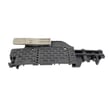
The model number tells us the exact configuration of your dishwasher (controls, racks, pump system, and heating style). That is how we match the correct GE parts for GDT670SMV1ES, such as a control board, door latch, or spray arm.
Common label issues and what to do
| What you see | What it usually means | What to do next |
|---|---|---|
| Label is faded or smeared | Heat, steam, or cleaning chemicals | Use a flashlight and take a close-up photo; zoom in to read it |
| Label is missing | Door or tub frame was replaced | Check paperwork from prior repairs; compare parts visually |
| You only see a partial number | Sticker is torn or covered | Gently wipe with a damp cloth; do not scrape the print |
If you are checking the model number to buy a part
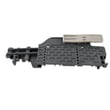
Once you confirm the model number, match parts by the exact ID. For example, if you are troubleshooting fill or wash performance, the GE dishwasher pressure sensor WD21X25468 is one model-matched component we list for GDT670SMV1ES.
Why it matters
Using the exact model number prevents ordering a similar-looking GE dishwasher part that will not fit, will not plug in correctly, or will not work with your UI and machine control.
Last updated: February 2026
What is the average life expectancy of a GE dishwasher?
A GE dishwasher typically lasts 10 to 12 years with normal household use and basic maintenance. For your GE GDT670SMV1ES, keeping wash performance strong (good water flow, proper draining, and reliable heating) is what most directly helps it reach that average lifespan.
What affects lifespan the most
- Water quality and detergent use (hard water and excess detergent can leave buildup)
- Cleaning and maintenance habits (regular cleaning prevents clogs and odors)
- Drain and fill reliability (standing water and slow fills strain components)
- Heating performance (poor drying and cooler washes can lead to residue and odor)
- Door sealing and latch alignment (leaks and slamming shorten component life)
Quick maintenance checklist (high impact)
- Run a monthly cleaning cycle and wipe the door edges and tub lip.
- Keep spray paths clear; check for debris that can block jets.
- Avoid overloading; it reduces wash action and increases wear.
- Use rinse aid when drying is weak or spotting is common.
- Address slow draining quickly; standing water accelerates odor and buildup.
Common wear items vs. “big ticket” repairs
| Category | Examples on GDT670SMV1ES | What you’ll notice first |
|---|---|---|
| Water flow / cleaning | Spray arm WD22X33499 | Dishes not clean, weak spray, food left behind |
| Draining | Dishwasher drain pump WD19X25461 | Water left in bottom, gurgling, slow drain |
| Heating / drying | Heating element WD05X35098 | Poor drying, cooler wash results |
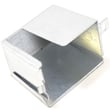
| Door closure | Dishwasher door latch lock WD01X29878 | Won’t start, stops mid-cycle, door won’t latch |
Why it matters
Knowing the typical 10 to 12 year lifespan helps you decide when maintenance and smaller part replacements make sense versus planning for a replacement. If cleaning, draining, and heating stay consistent, most GE dishwashers reach their expected service life.
Last updated: February 2026
What is the most common problem with GE dishwashers?
On GE dishwashers like model GDT670SMV1ES, the most common problems we see are not draining, not starting, and poor cleaning. In many cases, the fix is basic maintenance (clearing clogs and checking the door latch), but a failed pump, sensor, or control can also be the root cause.
Most common symptoms and what they usually point to
- Water left in the bottom (won’t drain): drain path restriction, drain hose routing issue, or a weak drain pump
- Won’t start or stops mid-cycle: door not latching, UI/control issue, or a stuck key
- Not cleaning well: clogged spray arm jets, low water fill, or wash pump performance issues
- Leaks at the door: worn tub gasket or door not closing squarely
- Not drying: heater circuit issue, rinse aid settings, or airflow/venting problems
Quick checks we recommend first (before replacing parts)
- Cancel/Drain the cycle and listen for the drain motor running.
- Check the sink drain/disposal connection for a blockage (common after a new disposal install).
- Inspect the bottom of the tub for debris that can block flow to the sump area.
- Confirm the door closes firmly; a weak latch can prevent the cycle from starting.
- Run a cleaning cycle and remove mineral buildup that can reduce spray performance.
Parts that commonly solve these problems on GDT670SMV1ES
| Symptom | Common part to check | What it does |
|---|---|---|
| Won’t drain | Dishwasher drain pump WD19X25461 | Pushes water out through the drain hose |
| Poor cleaning | Spray arm WD22X33499 | Distributes wash water; clogged jets reduce coverage |
| Won’t start | Dishwasher door latch lock WD01X29878 | Confirms the door is closed so the dishwasher can run |
| Not drying | Heating element WD05X35098 | Heats water and supports drying performance |
Why it matters
Drain and start problems are the most disruptive because they stop the cycle from completing and can leave standing water behind. Catching a clog early can prevent strain on the wash pump, drain pump, and electronic controls.
When an error code helps
If your GE dishwasher is showing a code or flashing pattern, use GE electronic dishwasher error codes to match the symptom to the most likely circuit or component.
Last updated: February 2026
What are dishwasher arms called?
Dishwasher arms are called spray arms (sometimes called wash arms). On your GE GDT670SMV1ES dishwasher, spray arms spin and force water through small jets to wash the upper and lower racks.
Where the spray arms are located
Most dishwashers use two main spray arms:
- Lower spray arm: under the bottom rack
- Middle or upper spray arm: under the upper rack (or attached to the rack/manifold)
- Some models also use a top/ceiling spray arm for extra coverage
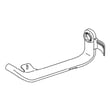
For this model, common spray-arm related parts include the spray arm WD22X33499 and the GE dishwasher spray arm, middle WD22X33498.
Why spray arms matter for cleaning performance
If the spray arms cannot spin freely or the jets are clogged, you will usually see poor cleaning, gritty residue, or items left dirty in one rack.
Quick checks we recommend
- Make sure tall items are not blocking the arm from rotating
- Clear food debris from the spray arm holes (use a toothpick or soft brush)
- Confirm the arm is firmly seated and not wobbling
- Check that the filter area and sump are not packed with debris
- Use the correct detergent amount for your water hardness
Common symptoms and likely causes
| Symptom | What it often points to | What to check first |
|---|---|---|
| Top rack not clean | Upper/middle spray path issue | Middle/upper spray arm holes and rotation |
| Bottom rack not clean | Lower spray arm issue | Lower spray arm jets and obstructions |
| Spray arm not spinning | Blockage or low water flow | Loading, clogged jets, filter/sump debris |
Helpful DIY guidance
If you are troubleshooting poor wash results, follow the steps in dishwasher not cleaning dishes video to narrow down whether the issue is loading, spray-arm blockage, or water circulation.
Last updated: February 2026





