Owner’s manual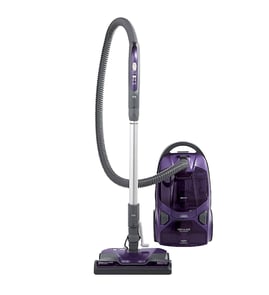

How long do Kenmore canister vacuums last?
Most Kenmore canister vacuums typically last 8 to 12 years with normal home use and basic maintenance. For your Kenmore model 11621614011, keeping airflow clear (bag, filters, hose, and power nozzle) is what most directly determines whether you land closer to 8 years or push past 10 years; see the maintenance schedule in the 11621614011 owner’s manual.
Typical lifespan and what changes it
A canister vacuum’s life is mainly limited by the suction motor, electrical cord/rewind, and power nozzle wear items (belt, brush roll, bearings).
- 8 to 12 years: typical for a quality canister vacuum in average conditions
- Shorter lifespan when used daily, on heavy debris, or with restricted airflow
- Longer lifespan when bags and filters are changed on time and clogs are cleared quickly
- Power nozzle wear (belt and brush roll) is common and usually repairable
- Motor overheating is often caused by full bags, dirty filters, or blocked hoses
Signs it’s nearing end of life (or needs service)
Use these symptoms to decide whether you likely need maintenance, a repair, or replacement.
| Symptom | Most common cause | What to do first |
|---|---|---|
| Weak suction | Full bag, clogged hose, dirty filter | Replace bag, clean/replace filters, check for clogs |
| Shuts off during use | Overheating from restricted airflow | Let it cool, then clear restrictions and service filters |
| Burning smell at nozzle | Belt slipping, jammed brush roll | Remove debris, inspect belt/brush roll |
| Loud whine from canister | Motor or fan issue, blockage | Check for clogs; stop use if noise persists |
Maintenance that adds years
These habits prevent the most common failures in Kenmore canister vacuums.
- Change the bag before it is packed full
- Clean or replace filters on the schedule in the manual
- Check the hose and wand for clogs when suction drops
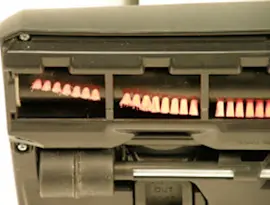
- Cut hair/thread off the brush roll regularly
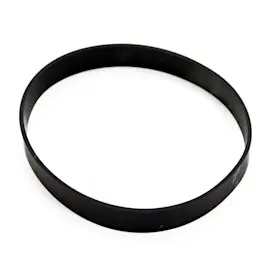
- Replace the power nozzle belt when the brush roll slows or stops
For step-by-step DIY help on common vacuum repairs, use the vacuum repair-guides landing page.
Why it matters
A vacuum that runs with restricted airflow runs hotter; that extra heat is what shortens motor life and can turn a simple bag or filter change into a major repair.
Last updated: February 2026
What are the disadvantages of a canister vacuum?
Canister vacuums like the Kenmore 11621614011 clean very well, but the tradeoffs are portability and convenience: the canister is bulkier to store, you have to pull it behind you, and the hose, wand, and power nozzle add handling and maintenance compared to many uprights. For model-specific use and care details, use the 11621614011 owner’s manual.
Common disadvantages (what you’ll notice day to day)
- Bulkier storage: the canister body plus hose and wand take more closet space.
- More to maneuver: the canister can bump furniture, catch on corners, or drag on thick carpet.
- Less “grab-and-go”: quick cleanups can feel slower because you position the canister, connect tools, and manage the cord.
- More joints and connections: hose cuffs, wand locks, and nozzle swivels add potential air leaks or clogs.
- Ongoing consumables (on many canisters): bags and filters can add routine cost.
What to check first if a “disadvantage” is really a fixable issue
Many complaints come from setup, airflow restriction, or a worn floor tool drive system.
| Symptom you notice | Often caused by | Typical fix |
|---|---|---|
| Hard to pull, tips over | Hose routing, tight turns, full bag/bin | Re-route hose, empty/replace bag, slow down on turns |
| Weak suction | Clog, full bag, dirty filter, air leak | Clear hose/wand, replace bag, clean/replace filter |
| Brush not spinning | Hair wrap, belt issue, jammed brush | Clean brush roll, inspect belt and end caps |
For step-by-step repair paths, use vacuum repair-guides landing page and the symptom guide vacuum not suctioning well.
Why it matters
Knowing these tradeoffs helps you choose the right vacuum for your home and prevents unnecessary part replacements. For example, “heavy to use” is often normal for canisters, but “poor pickup” usually points to airflow or brush roll problems.
Last updated: February 2026
What are the parts of the vacuum?
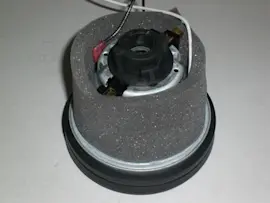
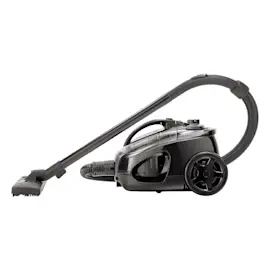
A Kenmore canister vacuum like model 11621614011 is made up of the canister (motor and filtration), the airflow path (hose, wand, and connections), and the floor tool or power nozzle (brush roll and belt). These parts work together to create suction, lift debris, and trap dust.
Main assemblies you will see on a canister vacuum
- Canister body: houses the suction motor, controls, and bag or dust container
- Filtration: pre-motor filter and exhaust (HEPA-style) filter to capture fine dust
- Hose and handle: carries airflow and often includes a suction control slider
- Wand/telescoping tube: extends reach and connects hose to floor tools
- Power nozzle or floor brush: cleans carpet and hard floors (may include a brush roll)
- Cord and cord reel: powers the vacuum and retracts for storage
For model-specific diagrams and naming, use the 11621614011 exploded views in the 11621614011 owner's manual.
Wear items vs. long-life parts
Some parts are designed to wear out and get replaced more often.
| Part type | Common examples | Typical replacement trigger |
|---|---|---|
| Wear items | Filters, belts, brush roll, bags | Loss of suction, odor, brush not spinning |
| Long-life parts | Hose, wand, cord reel, motor (sometimes) | Cracks, electrical issues, overheating |
Quick symptoms that point to specific parts
- Low suction: full bag/bin, clogged hose/wand, dirty filters, leaking gasket
- Brush roll not spinning: worn belt, jammed brush roll, power nozzle issue
- Burning smell: belt slipping, brush roll jam, clogged airflow causing overheating
- Won’t turn on: cord, plug, switch, thermal protector, motor
Related troubleshooting steps are covered in vacuum repair-guides landing page.
Why it matters
Knowing the major parts helps you diagnose faster: most performance problems come from the airflow path (clogs, filters, bag) or the power nozzle (belt, brush roll), not the motor.
Last updated: February 2026
What is the best canister vacuum on the market today?
There is no single “best” canister vacuum for everyone; the best choice depends on your floors (carpet vs. hard floors), filtration needs (HEPA for allergies), and whether you prefer bagged or bagless. For Kenmore canister owners like model 11621614011, matching the right power nozzle, brush roll, and filters to your home matters more than brand hype; use the 11621614011 owner's manual to confirm what your vacuum supports.
How we recommend choosing the “best” canister vacuum
- Bagged vs. bagless: bagged usually seals dust better; bagless avoids ongoing bag costs.
- Filtration: look for sealed HEPA if allergies or fine dust are a priority.
- Floor type: carpets typically need a motorized power head; hard floors do well with a bare-floor tool.
- Pet hair: prioritize strong agitation (brush roll) and easy hair removal.
- Noise and handling: canisters vary a lot in hose reach, swivel, and weight.
Quick comparison: what “best” means by use case
| Your priority | What to look for | Why it helps |
|---|---|---|
| Allergies | Sealed system + HEPA filtration | Keeps fine dust from leaking back into the room |
| Mostly carpet | Motorized power nozzle + strong brush roll | Improves deep cleaning and grooming |
| Mostly hard floors | Dedicated hard-floor tool + suction control | Prevents scatter and protects finishes |
| Pets | Brush roll performance + easy maintenance | Reduces hair wrap and clogs |
What to check on your Kenmore 11621614011 before upgrading
Even if you buy a new vacuum, these checks help you compare fairly and keep your current canister performing well:
- Confirm the correct filter type and replacement interval.
- Inspect the hose and wand for cracks or blockages.
- Check the power head for a worn belt or jammed brush roll.
- Verify the bag seating (if bagged) to prevent suction loss.
For step-by-step DIY help on common performance issues, use the vacuum repair-guides landing page.
Why it matters
Most “best vacuum” lists assume perfect maintenance. In real homes, suction loss, brush roll problems, and clogged airflow paths can make a premium vacuum clean like a budget model. Choosing based on your floors and filtration needs, then maintaining belts, filters, and airflow, delivers the best results.
Last updated: February 2026
Where to find model number on Kenmore canister vacuum?
On your Kenmore canister vacuum model 11621614011, the model number is printed on the model and serial number plate (rating label). We typically see this label on the canister body near the cord reel area, under a lid, or on the underside of the canister.
Where to check first (fastest spots)
Look for a sticker or metal plate that says Model and Serial in these common locations:
- On the bottom of the canister (flip the canister over)
- Behind the bag door or dust compartment cover
- Near the power cord rewind area on the canister housing
- On the rear of the canister near the hose connection
- On the underside of the power nozzle (some setups also label the nozzle)
For diagrams and label callouts, use the 11621614011 owner’s manual.
What the label looks like
Most Kenmore canister vacuums use a rectangular label with fields similar to these:
| Label field | What it means | Why you need it |
|---|---|---|
| Model | The full model number (example: 11621614011) | Ensures correct parts and fit |
| Serial | Production code/serial | Helps match revisions and production runs |
| Electrical rating | Volts/amps | Useful for troubleshooting power issues |
Tips to avoid mix-ups when ordering parts
Model numbers can be long and easy to misread. We recommend:
- Copy the model number exactly as printed, including all digits
- Take a clear photo of the label before ordering
- If the label is worn, check for a second label inside the bag door area
- Keep the model number with your maintenance notes (filters, belts, brush roll)
Why it matters
Kenmore canister vacuums often have multiple versions that look similar. Using the exact model number helps us match the correct vacuum parts (filters, hose, power nozzle belt, brush roll) and prevents returns due to fit issues.
Last updated: February 2026
Who makes Kenmore canister vacuum cleaners?
Kenmore canister vacuum cleaners are made for the Kenmore brand by outside manufacturers (Kenmore is a licensed brand, not a single vacuum factory). For your Kenmore model 11621614011, the exact OEM can vary by product generation, but the build is typically produced by a major vacuum manufacturer under contract.
How Kenmore manufacturing works
Kenmore vacuums are commonly produced through OEM partnerships. That means the name on the vacuum is Kenmore, while the actual production is handled by a contracted manufacturer.
Common ways to identify the maker for a specific unit include:
- Checking the rating label on the canister (often lists the manufacturing company or an importer)
- Looking for an FCC ID (on powered heads or electronic controls) and matching it to the grantee name
- Using the exploded-view and part list in the 11621614011 owner's manual to match component styles (power nozzle, hose handle controls, motor housing)
- Comparing the power nozzle and wand connection style to known Kenmore platform designs
- Confirming the production era using the serial number format on the data plate
Quick identification checklist (what to look for)
Use these physical clues to narrow down the OEM platform:
- Power nozzle type: geared belt vs ribbed belt design
- Brush roll access: bottom plate screws vs quick-release
- Hose handle controls: suction-only vs suction + brush on/off
- Filtration layout: pre-motor filter location and exhaust filter style
- Wand connection: button-lock vs friction fit
Why it matters
Knowing the OEM platform helps you choose the right maintenance parts and repair approach (belt style, brush roll design, filters, and hose handle switches). It also speeds up troubleshooting when you use symptom-based repair steps.
Helpful DIY resources
If you are diagnosing performance issues while you are identifying the platform, these guides help:
| Symptom | What it often points to | Best next step |
|---|---|---|
| Brush roll not spinning | Belt, brush roll, or power nozzle jam | Use vacuum brush roll on spinning |
| Low suction | Clog, full bag, dirty filters, air leak | Use vacuum not suctioning well |
| Won’t start | Power cord, switch, thermal protector, motor | Use vacuem won't turn on |
Last updated: February 2026
Why is my Kenmore vacuum not suctioning?
When a Kenmore canister vacuum like model 11621614011 stops suctioning, the cause is almost always restricted airflow: a full bag or bin, clogged filters, a blockage in the hose or wand, or a leak at a seal or connection. Restoring airflow brings suction back.
Quick checks that fix most suction problems
- Empty the dust cup or replace the vacuum bag (a packed bag can look “not full” but still block airflow).
- Clean or replace the pre-motor filter and exhaust filter (fine dust quickly chokes airflow).
- Check the hose, wand, and floor nozzle for a clog (coins, socks, hair clumps, and paper are common).
- Inspect the power nozzle air path and brush area for wrapped hair and debris.
- Reseat all connections (hose to canister, wand to hose, nozzle to wand) so they fully lock in.
- Look for cracks or loose gaskets at the hose cuffs and canister lid.
Step-by-step airflow test (fast and reliable)
- Turn the vacuum off and unplug it.
- Disconnect the hose from the canister and look through it toward a light.
- If the hose is clear, reconnect it and remove the wand and floor nozzle; test suction at the hose end.
- If suction is strong at the hose but weak at the nozzle, the clog or restriction is in the wand/nozzle.
Common causes and what you’ll notice
| Symptom | Most likely cause | What to do |
|---|---|---|
| Motor sounds normal but pickup is weak | Clogged filter or full bag/bin | Service filters; replace bag/empty bin |
| Suction is weak at the hose end | Hose clog or air leak | Clear hose; check cuffs, seals, lid fit |
| Nozzle has poor pickup on carpet | Brush roll area packed with hair/debris | Clean nozzle; check brush roll spins freely |
| Vacuum shuts down after a few minutes | Overheat from blockage | Clear restriction; let it cool; recheck filters |
Why it matters
Low suction is usually an airflow restriction that makes the motor work hotter and harder. Keeping filters clean and air paths clear helps protect the suction motor and improves cleaning performance.
Helpful guides for this repair
- Use the filter and maintenance steps in the 11621614011 owner’s manual.
- If the issue is at the floor nozzle, follow vacuum not suctioning well for targeted checks.
Last updated: February 2026