Error Codes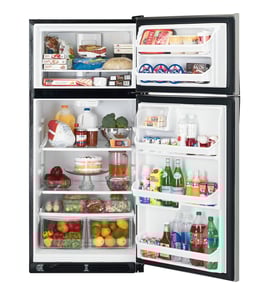





How to find GE appliance parts?
To find the right replacement parts for your GE refrigerator model GIE21GTHGWW, we match parts to your exact model number first, then narrow by the system you are repairing (cooling, ice maker, water supply, doors, or drawers). This helps you order parts that fit and function correctly the first time.
- Confirm the model number on the rating label (use GIE21GTHGWW, not a similar-looking series).
- Choose the symptom or system first (for example: ice maker not making ice, water not dispensing, warm refrigerator).
- Compare the part name and part ID carefully before ordering.
- If multiple versions exist, match by where the part installs (freezer section, fresh food section, rear machine compartment).
- For water and ice issues, check your home water supply and filter status before replacing parts.
| Repair need | Example part to check | What it affects |
|---|---|---|
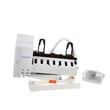
| No ice or small cubes | Icemaker rep WR30X30972 | Ice production and harvest cycle |
| No water to dispenser or ice maker | Refrigerator water inlet valve WR57X32213 | Water flow into the refrigerator |
| Warm temps, weak airflow | Evaporator fan assembly WR60X25798 | Circulating cold air through compartments |
| Frost buildup, not defrosting | Refrigerator defrost heater WR09X24623 | Melting frost off the evaporator |
- Match the part ID exactly (letters and numbers).
- Use the part name to confirm function (for example, “water inlet valve” vs. “union 1/4”).
- If you are troubleshooting first, use a symptom-based guide like GE refrigerator error codes.
Refrigerator parts are model-specific because wiring harnesses, connectors, mounting points, and water line sizes can vary. Starting with GIE21GTHGWW reduces returns and gets your GE top-mount refrigerator back to normal cooling, ice making, and water flow faster.
Last updated: February 2026
What is the most common problem with a GE refrigerator?
The most common issue we see on GE refrigerators like model GIE21GTHGWW is a cooling problem (warm fridge, warm freezer, or temperature swings). In many cases, the root cause is restricted airflow (dirty condenser coils or blocked vents) or a failing evaporator fan that cannot circulate cold air properly.
- Fresh food section is warm but the freezer seems closer to normal
- Freezer is warm and ice cream is soft
- Temperature varies day to day
- Fridge runs a lot, or you hear unusual fan noise
- Frost buildup on the back wall inside the freezer
- Check airflow: Make sure food packages are not blocking air vents in the freezer or refrigerator section.
- Clean condenser coils: Dust buildup reduces heat removal and can cause poor cooling.
- Listen for the evaporator fan: When the compressor is running, you should typically hear a steady fan sound from the freezer area.
- Confirm door sealing: A door that does not seal well can cause temperature problems and frost.
- Give it time after changes: After adjusting controls or loading groceries, allow 24 hours for temperatures to stabilize.
| Problem area | What you may notice | Common fix path |
|---|---|---|
| Evaporator fan not moving air | Warm fridge, weak airflow, fan noise or no fan sound | Diagnose fan circuit; replace fan if failed (see evaporator fan assembly WR60X25798) |
| Defrost system issue | Frost blanket on freezer back wall, warming over time | Check defrost heater and defrost components (see refrigerator defrost heater WR09X24623) |
| Water and ice maker complaints (separate from cooling) | No ice, slow fill, leaking at back | Check supply and valve operation (see refrigerator water inlet valve WR57X32213) |
Cooling problems usually get worse, not better. Catching airflow restrictions early helps protect food, reduces run time, and can prevent extra strain on the compressor.
- Use GE refrigerator error codes to interpret any displayed fault codes before replacing parts.
- If the complaint is ice maker related, common refrigerator ice maker problems and solutions helps narrow down whether the issue is water supply, freezing, or the ice maker itself.
Last updated: February 2026
What is the average lifespan of GIE21GTHGWW?
A GE top-mount refrigerator like model GIE21GTHGWW typically lasts 13 years with normal household use. Consistent temperatures, clean condenser airflow, and prompt repair of cooling or defrost issues are what most often determine whether it reaches that average.
- Condenser airflow and cleanliness: dust buildup makes the compressor run hotter and longer.
- Door seal condition: air leaks force longer run times and create frost.
- Defrost performance: heavy frost can block airflow and strain the cooling system.
- Fan operation: weak airflow causes warm spots and longer compressor cycles.
- Water and ice system leaks: can lead to corrosion, ice buildup, or electrical issues.
- Keep the refrigerator at 37°F and the freezer at 0°F.
- Leave space for ventilation around the cabinet and avoid blocking vents inside.
- Clean the condenser area periodically.
- Fix door closing issues and replace worn gaskets when you feel air leaks.
- If you see recurring frost or warming, address it early (fans, defrost heater, controls).
These parts are often involved when cooling performance drops; replacing the right one early can extend service life.
| Symptom | Common system involved | Example part for GIE21GTHGWW |
|---|---|---|
| Freezer cold, fridge warm | Airflow/evaporator fan | Evaporator fan assembly WR60X25798 |
| Heavy frost on back wall | Defrost system | Refrigerator defrost heater WR09X24623 |
| No ice or slow ice | Water supply/valve | Refrigerator water inlet valve WR57X32213 |
Once a refrigerator starts running hot, frosting up, or short-cycling, the compressor and sealed system work harder. Keeping airflow, defrost, and door sealing in good shape is the most reliable way to hit the typical 13-year lifespan.
Last updated: March 2026