 Owner’s manual
 Error Codes
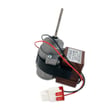


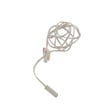
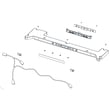
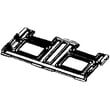
How do you know if your evaporator fan motor is bad?
On Kenmore refrigerator model 11173027711, a bad evaporator fan motor usually shows up as weak or uneven cooling plus abnormal fan noise (grinding, squealing, or rattling) or no airflow from the freezer vents. When the fan cannot circulate air, the fresh food section often warms up first.
What you should notice (symptoms)
- Refrigerator section is warm but the freezer is only somewhat cold
- Little to no airflow from the vents (especially after the door has been closed)
- Loud fan noises that change when the compressor cycles
- Excess frost or ice buildup on the freezer back panel (airflow gets blocked)
- Temperature swings even though settings have not changed
Quick checks you can do safely
Before checking anything, unplug the refrigerator to avoid electric shock, and avoid touching very cold freezer surfaces with damp hands (skin can stick). See the safety notes in the 11173027711 owner's manual.
- Listen for a steady “whooshing” sound during normal operation; the manual lists evaporator fan airflow noise as normal
- Make sure packages are not pressing against the rear freezer panel or blocking vents
- Check for heavy frost on the freezer back wall (a defrost issue can mimic a bad fan)
- Verify the doors seal well; air leaks can cause frost and poor airflow
What the noises mean
The manual notes some sounds are normal, so use this as a quick guide:
| Sound | Often means | Next step |
|---|---|---|
| Whooshing | Evaporator fan moving air (normal) | No repair needed |
| Clicking | Defrost control or thermostat cycling (normal) | No repair needed |
| Rattling | Items on top/behind unit, water line, or vibration | Secure items, level unit |
| Grinding/squealing | Fan blade hitting ice or failing motor | Inspect for ice, then test/replace |
Why it matters
The evaporator fan is what pushes cold air from the freezer through the refrigerator. If it is failing, food temperatures rise, frost can build up faster, and the compressor may run longer trying to keep up.
Related help
If you see an error code or suspect a control issue, use Kenmore 111 model bottom freezer refrigerator error codes to narrow down the cause.
Last updated: January 2026
What are the common problems with Kenmore Elite refrigerators?
Common issues on Kenmore refrigerators like model 11173027711 include cooling problems, ice maker or water dispenser trouble, doors not sealing or closing correctly, and normal or abnormal operating noises. Many fixes start with airflow, door alignment, and water supply checks; use the 11173027711 owner's manual for model-specific troubleshooting steps.
Most common symptoms and what usually causes them
- Not cooling well: blocked airflow from overpacked shelves, dirty condenser area, or a failed evaporator fan.
- Ice maker not making ice: ice maker turned off, new install (needs time), water supply shutoff closed, kinked water line, or low water pressure.
- Frost or ice buildup: door left ajar, worn/dirty door gasket, or a defrost system problem.
- Doors pop open or will not close: food packages blocking the door, bins or shelves out of position, or the cabinet not level.
- Noises: some dripping and a pulsating or high-pitched compressor sound can be normal; rattling often comes from the cabinet touching a wall or cabinet.
Quick checks we recommend before replacing parts
- Confirm temperatures and airflow: keep vents clear and avoid packing items tightly against the back wall.
- Check door closure: make sure bins, crisper cover, and shelves are fully seated and nothing is blocking the door.
- Verify ice maker and water supply: confirm the ice maker is ON and the house shutoff valve is fully open.
- Inspect the water line: straighten any kinks created when moving the refrigerator.
- Level the refrigerator: adjust leveling legs so doors close smoothly and the unit does not wobble.
Normal vs. needs attention (fast guide)
| Symptom | Often normal | Often needs service |
|---|---|---|
| Dripping sound | Defrost water draining | Water pooling or leaking |
| High-pitched/pulsating sound | Efficient compressor running | Loud buzzing/clicking that repeats |
| Ice maker slow after install | Up to 24 hours to start | No ice after 24 hours with water on |
| Door pops open | Items/bins out of place | Door won’t seal even when clear |
Why it matters
Cooling, door sealing, and water supply issues can quickly lead to spoiled food, ice maker failures, and excess frost. Addressing airflow, leveling, and water pressure early prevents repeat problems and protects key components like the compressor and fans.
For model-specific steps (including ice maker reactivation and troubleshooting tables), follow the 11173027711 owner's manual.
Last updated: January 2026
Why is there ice on the bottom of my freezer side by side?
Ice building up on the freezer floor is usually caused by a clogged or frozen defrost drain, so defrost water cannot flow to the drain pan and instead refreezes at the bottom. On Kenmore model 11173027711, clearing the drain and reducing warm-air entry typically stops the problem.
What to check first (fast, no parts)
- Unplug the refrigerator before working near the evaporator area or any wiring.
- Remove food and bins so you can see the freezer floor and rear panel.
- Look for a sheet of ice on the bottom; that pattern strongly points to a drain issue.
- Check that the freezer drawer closes and seals evenly all the way around.
- Reduce long door openings; warm, humid air increases frost and ice buildup.
How we clear a clogged defrost drain
- Melt the ice on the freezer floor using a hair dryer on low (keep heat moving) or let it thaw with towels.
- Find the drain opening (typically at the back of the freezer compartment under/behind the rear panel area).
- Flush the drain with hot water; a common method is 1 teaspoon baking soda dissolved in 2 cups hot water, then repeat with plain hot water.
- If water does not flow freely, clear the tube gently with a flexible plastic line (avoid sharp tools that can puncture the drain).
Door and drawer alignment matters
If the freezer drawer is slightly low on one side, warm air leaks in and adds frost that can worsen drain icing. The manual for 11173027711 includes steps for adjusting the freezer drawer rails and checking that the drawer operates smoothly and seals consistently; see the 11173027711 owner's manual.
| Symptom | Most likely cause | Best next step |
|---|---|---|
| Ice sheet on freezer floor | Defrost drain clogged/frozen | Thaw and flush drain |
| Heavy frost after frequent openings | Warm, humid air entering | Shorten openings, verify seal |
| Drawer not sealing evenly | Drawer/rail alignment issue | Adjust drawer per manual |
Why it matters
When defrost water cannot drain, it refreezes, can block airflow, and can lead to temperature swings that affect ice maker performance and frozen food quality.
Last updated: January 2026





